
When it comes to Mera Peak climbing, it’s not just about reaching the summit; it’s about soaking in the entire experience from the vibrant Sherpa culture to the stunning vistas of towering giants like Everest. Climbers often find themselves questioning their limits, and the well-planned itineraries are designed to ensure safety and acclimatization. But what really sets this trek apart isn’t just the climb itself—it’s the little moments along the way that can make or break the journey. Curious about what those moments are and how to prepare for them?
Good To Know
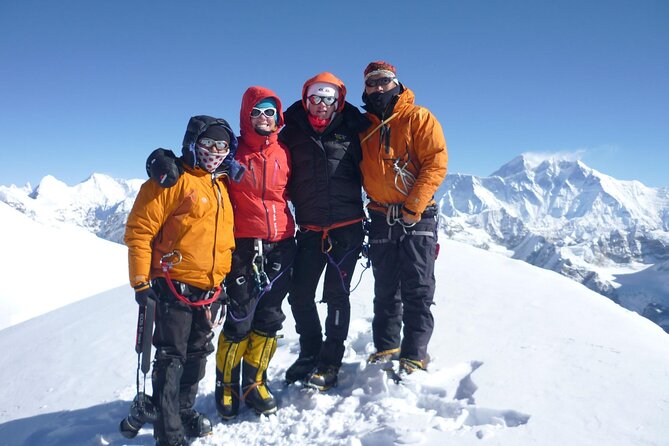

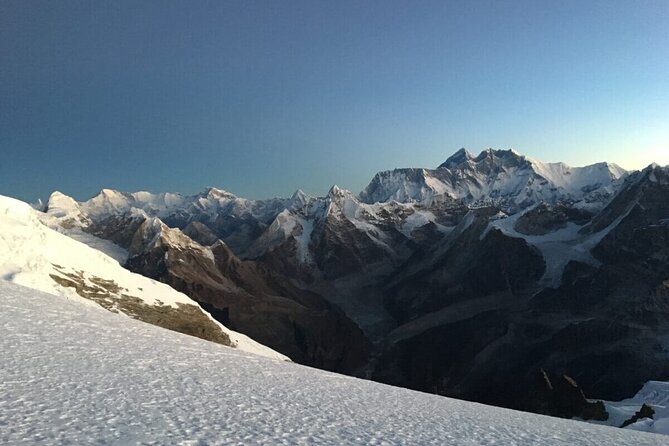
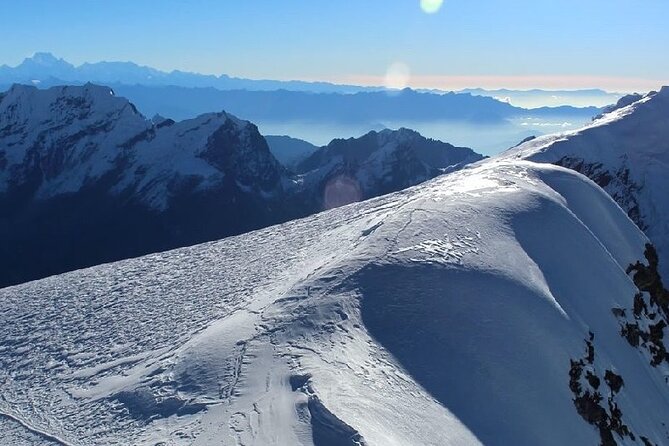
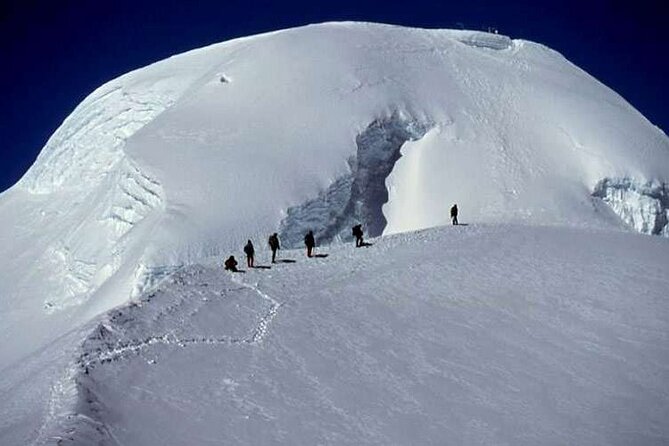
- Mera Peak stands at 6,476 meters, making it the highest trekking peak in Nepal, suitable for both novices and experienced climbers.
- The trek includes acclimatization days, ensuring a gradual ascent to prevent altitude sickness.
- Summit views feature five of the six tallest mountains, including Mt. Everest, providing breathtaking panoramas.
- Essential climbing gear includes insulated boots, ice axes, and crampons for navigating icy terrain safely.
- Optimal climbing seasons are late March to early May and late September to early November, offering favorable weather conditions.
Overview of Mera Peak
Mera Peak, towering at 6,476 meters (21,247 feet), stands as Nepal’s highest trekking peak, attracting both seasoned climbers and adventurous novices.
It’s a fantastic non-technical introduction to peak climbing in the breathtaking Himalayas. Climbers can expect jaw-dropping views from the summit, catching sight of five of the six highest mountains on Earth, including the majestic Mt. Everest.
The trekking route winds through traditional Sherpa villages, serene monasteries, and scenic riverbanks, making each step an adventure. With less than 30 degrees elevation, Mera Peak is approachable yet challenging, perfect for those looking to test their limits.
Whether you’re a newbie or a pro, this climb promises unforgettable experiences and stunning vistas that’ll leave anyone in awe.
You can also read our reviews of more tours and experiences in Kathmandu.


Detailed Itinerary
Climbing Mera Peak involves an exciting itinerary that balances adventure and acclimatization. The journey is designed to gradually introduce climbers to the high-altitude environment while still packing in plenty of thrills.
-
Days 1-2 kick off in Kathmandu with a city tour and trek prep.
-
Days 3-4 include a scenic flight to Lukla, followed by a trek through charming villages.
-
Days 5-10 focus on ascending through breathtaking landscapes, with stops at various camps for acclimatization and skills practice.
-
The final leg features the summit push, a contingency day, and a trek back down.
This itinerary sets climbers up for success, ensuring they’re ready for the challenges of Mera Peak while enjoying the stunning Nepali backdrop.
Arrival and Pickup
Upon arrival in Kathmandu, travelers can expect a warm welcome and seamless pickup arrangements to kick off their Mera Peak adventure.
They’ll find friendly guides ready to whisk them away to their hotel or designated meeting point, ensuring a smooth transition from the airport hustle.
The pickup service also includes transfers for the Kathmandu City Tour, making it easy to explore the vibrant culture and sights before heading to the mountains.
Plus, flight arrangements to Lukla are taken care of, so there’s no need to stress about logistics.
With everything organized, travelers can focus on soaking in the excitement of their upcoming trek, feeling confident that they’re in good hands from the very start.
Inclusions and Exclusions
Travelers can look forward to a comprehensive package that covers most of their needs during the Mera Peak adventure. This package includes essential items to make the trek smooth and enjoyable, but it also excludes a few personal expenses.
Here’s a quick rundown:
- Accommodation: Cozy lodgings throughout the trek.
- Meals: Delicious local cuisine during the adventure.
- Transportation: All necessary transfers and flights.
- Climbing Gear: Ice climbing gear and expert guidance.
However, travelers should prepare for some exclusions like personal expenses, international airfare, and tips for the staff.
Acclimatization Strategies
Acclimatization is crucial for a successful Mera Peak adventure, as it helps climbers adjust to the altitude and reduces the risk of altitude sickness.
The trek incorporates specific acclimatization days, allowing climbers to gradually ascend while giving their bodies time to adapt. Staying hydrated‘s key, so drink plenty of water and avoid alcohol.
Eating well also helps, as a balanced diet aids in energy levels and recovery. It’s important to listen to your body—if someone feels unwell, they should communicate with the guide and consider descending.
Engaging in light activities, like short walks, can enhance acclimatization. Ultimately, patience and awareness go a long way in ensuring a successful summit attempt on Mera Peak.
- Private Kathmandu Sightseeing Tour – UNESCO World Heritage Sites
★ 5.0 · 756 reviews - Kathmandu: Private 7 UNESCO Heritage Sites Day Tour
★ 4.8 · 744 reviews - Everest Base Camp Helicopter Tour Stop at Everest View Hotel
★ 5.0 · 668 reviews - Half Day Cooking Class in Thamel Kathmandu
★ 5.0 · 607 reviews - Private Kathmandu Day Tour: 7 UNESCO Heritage Sites Tour
★ 5.0 · 415 reviews - Kathmandu: 7 UNESCO World Heritage Sites Private Day Tour
★ 4.9 · 406 reviews
Safety Precautions
When tackling the heights of Mera Peak, prioritizing safety is essential for a successful climb. Climbers need to stay alert and prepared, as the challenges at high altitudes can be unpredictable.
Here are some key safety precautions to keep in mind:
-
Listen to your body: Recognize signs of altitude sickness and descend if necessary.
-
Stay hydrated: Drink plenty of water to combat dehydration and fatigue.
-
Follow your guide’s instructions: They’ve got the experience and knowledge to keep everyone safe.
-
Use proper techniques: Mastering ice climbing techniques is crucial to navigate icy terrains effectively.
Climbing Gear Requirements
For a successful ascent of Mera Peak, having the right climbing gear is crucial. Climbers should equip themselves with essential items that ensure safety and comfort. Here’s a quick overview of the must-have gear:
| Gear Type | Description |
|---|---|
| Climbing Boots | Waterproof and insulated for warmth |
| Harness & Ropes | For safety and support during climbs |
| Ice Axe | Essential for navigating icy terrain |
| Crampons | Attach to boots for better traction |
Plus, don’t forget layers of thermal clothing, gloves, and a good quality sleeping bag. Being well-prepared with the right gear not only enhances the climbing experience but also keeps everyone safe on their adventure.
Best Time to Climb
The best time to climb Mera Peak is during the pre-monsoon and post-monsoon seasons, specifically from late March to early May and late September to early November.
These windows offer the most favorable weather conditions, ensuring climbers can enjoy stunning views and manageable temperatures.
- Clear skies for breathtaking mountain vistas.
- Ideal temperatures for trekking and climbing.
- Less chance of rain or snow interruptions.
- Great trekking routes with vibrant flora and fauna.
During these months, climbers can take advantage of excellent visibility, making the ascent much more rewarding.
Planning around these times not only enhances the experience but also boosts the chances of reaching the summit successfully.
Frequently Asked Questions
What Fitness Level Is Required for Mera Peak Climbing?
For challenging climbs like this, a good fitness level’s key. He’s gotta be in shape, with stamina and strength. Regular cardio and strength training make a huge difference in tackling those steep, demanding trails ahead.
Are There Any Age Restrictions for Climbers?
There aren’t strict age restrictions for climbers. Generally, participants range from late teens to sixties, but it’s essential they’re fit, prepared, and capable of handling challenging conditions. Experience matters more than age in these adventures.
How Is Communication Managed During the Trek?
During treks, guides ensure everyone stays connected using satellite phones and radios. They provide updates and emergency support when needed. It’s a practical setup, keeping everyone informed and safe without relying solely on cellular networks.
What Kind of Food Is Available During the Trek?
On the trek, he’ll find a mix of local and international cuisine. He can enjoy hearty meals like dal bhat, pasta, and soups, keeping him fueled for the day’s adventures while savoring Nepal’s flavors.
Can I Extend My Stay in Nepal After the Trek?
He can definitely extend his stay in Nepal after the trek. It’s common and easy to arrange. Just check visa requirements and plan some extra adventures to soak up the culture and landscapes!
Mera Peak Climbing
The Sum Up
In the end, climbing Mera Peak isn’t just about reaching new heights; it’s about soaking in the stunning scenery and rich culture of the Himalayas. With careful planning, proper gear, and a strong focus on acclimatization, climbers can tackle this adventure confidently. Whether you’re a newbie or a seasoned pro, Mera Peak offers an unforgettable experience that’ll leave you with incredible memories and a sense of accomplishment. So, lace up those boots and get ready for the adventure of a lifetime!


