Nestled in the heart of Portugal, the charming medieval town of Óbidos beckons travelers to uncover its timeless allure. From the well-preserved historic center to the hidden Jewish neighborhood, this picturesque destination offers a captivating blend of history and modernity. Whether you’re marveling at the 13th-century Igreja de Santa Maria, sipping the local ginjinha liqueur, or exploring the 17th and 18th-century tiles, Óbidos promises an immersive experience that seamlessly blends the charm of the past with the energy of the present. With its winding streets, contemporary art, and local guides, this enchanting town is sure to leave a lasting impression on all who venture within.
Key Points


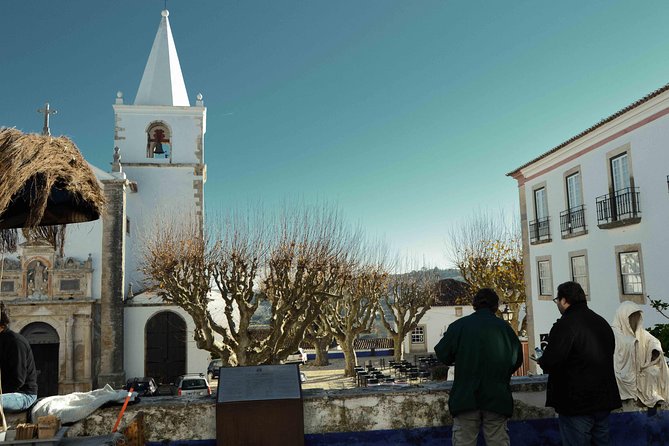
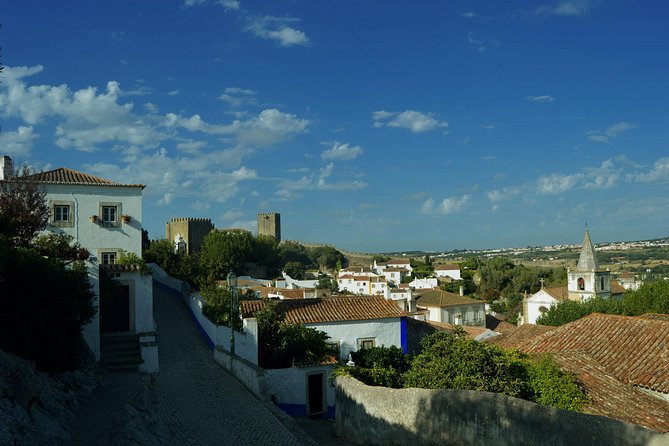
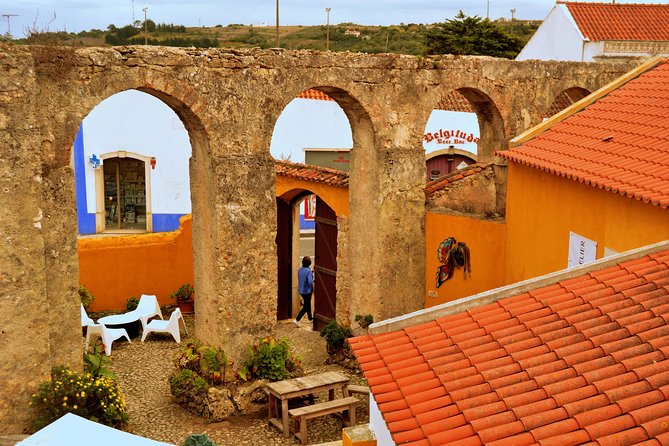
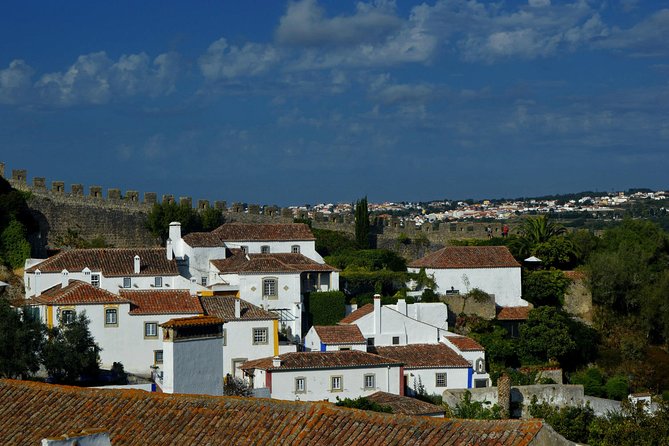
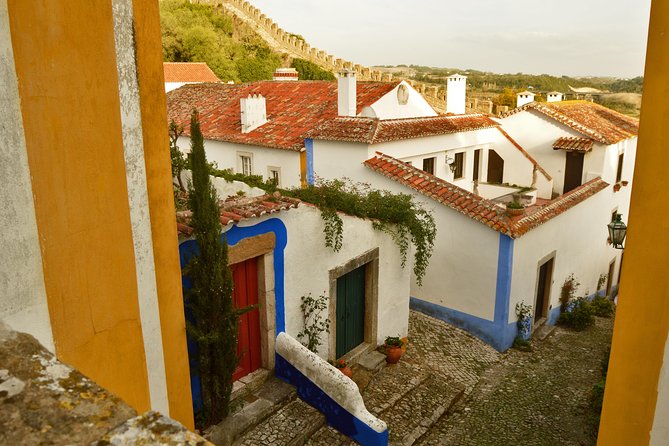
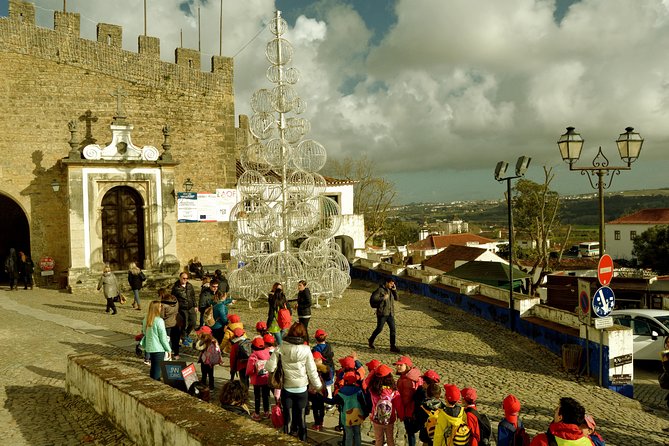
- Explore the well-preserved historic center of the medieval Portuguese village of Obidos, with its whitewashed houses, colorful tiles, and winding streets.
- Discover the former Jewish neighborhood, showcasing unique architectural features and providing insights into the community’s rich history.
- Visit the stunning 13th-century Igreja de Santa Maria, renowned for its azulejo tiles, paintings, and impressive acoustics.
- Marvel at the imposing Castelo de Obidos, a medieval fortress offering panoramic views of the charming village and surrounding countryside.
- Sample the local specialty, Ginjinha, a sweet cherry liqueur, and admire the vibrant 17th and 18th-century tiles that adorn the historic buildings.
Exploring Obidos’ Historic Center
Visitors to Obidos can explore the historic center of this medieval Portuguese village, wandering along the narrow, winding streets lined with whitewashed houses and colorful tiles.
As they stroll, they’ll discover hidden gems like the Igreja de Santa Maria, a 13th-century church with stunning azulejo tiles and paintings.
The towering Castelo de Obidos, a well-preserved castle, offers panoramic views of the village and the surrounding countryside.
Along the way, travelers can stop to sample the local speciality, Ginjinha, a sweet cherry liqueur served in small chocolate cups.
With a knowledgeable local guide, visitors can uncover the rich history and cultural heritage that permeates every corner of Obidos’ enchanting historic center.
You can also read our reviews of more tours and experiences in Lisbon.



Discovering the Jewish Neighborhood
One can discover Obidos’ historic Jewish neighborhood by exploring the winding streets and alleyways that once formed the heart of the community’s cultural life.
Here, you’ll find vestiges of the synagogue and the homes of influential Jewish families. Your local guide will regale you with tales of the thriving Jewish quarter, which reached its peak in the 15th century before the community’s expulsion.
Along the way, you’ll marvel at the unique architectural features that set this neighborhood apart, from the intricate doorways to the ornate windows. By walking in the footsteps of Obidos’ former Jewish residents, you’ll gain a deeper appreciation for the village’s rich and diverse history.
Visiting the Igreja De Santa Maria
Nestled within the medieval walls of Obidos, the Igreja de Santa Maria stands as a testament to the village’s rich architectural heritage. This stunning church, dating back to the 13th century, is a must-visit for anyone exploring the historic town.
The magnificent Gothic-style facade, adorned with intricate stone carvings, is one of the highlights of the Igreja de Santa Maria.
The interior’s stunning 17th-century tiles, depicting religious scenes and imagery, are another notable feature.
The impressive wooden altarpiece is a stunning example of baroque craftsmanship.
The church’s impressive acoustics make it an ideal venue for concerts and performances.
Visitors can also climb to the top of the bell tower for panoramic views of Obidos.
Whether you’re a history buff or simply seeking to learn about the charm of medieval Portugal, the Igreja de Santa Maria is a true gem worth discovering.
Marveling at the Castelo De Obidos
Perched atop a strategic hilltop, the Castelo de Obidos commands a sweeping view of the picturesque village and the surrounding countryside.
This imposing medieval fortress, dating back to the 12th century, has long been a symbol of Obidos’ rich history and enduring legacy.
As you explore the castle’s impressive stone walls and towers, you’ll step back in time, imagining the battles and sieges that have taken place here over the centuries.
From the ramparts, you can gaze out over the village’s charming red-tiled roofs and the rolling hills in the distance.
A visit to the Castelo de Obidos is a must for anyone seeking to enjoy the captivating medieval heritage of this enchanting Portuguese town.
Tasting the Local Ginjinha Liqueur
After exploring the historic castle and winding streets of Obidos, visitors can’t leave without sampling the town’s famous ginjinha liqueur, a local specialty that has been delighting palates for centuries.
This deeply ruby-colored cordial is made by steeping sour cherries in a neutral spirit, resulting in a sweet, slightly tart flavor profile. Ginjinha is typically served in small shot glasses, often with a single cherry at the bottom.
Visitors can enjoy this unique libation in several ways:
- At one of the traditional ginjinha shops in the village center
- From a street vendor along the medieval walls
- As an after-dinner digestif at a local restaurant
- Paired with a pastry or dessert for a tasty treat
- Bottled as a souvenir to bring home
- Lisbon: Sintra, Pena, Regaleira, Cabo da Roca & Cascais
★ 4.7 · 19,656 reviews - Lisbon Card: 24, 48, or 72-Hour Pass
★ 4.5 · 17,944 reviews - Lisbon: Jerónimos Monastery Entrance Ticket
★ 4.1 · 14,164 reviews - Lisbon: History, Stories and Lifestyle Walking Tour
★ 4.8 · 10,902 reviews - Lisbon: Sunset Boat Party Cruise with DJ and Open Bar
★ 4.5 · 10,378 reviews - Lisbon: Pena Palace, Sintra, Cabo Da Roca, & Cascais Daytrip
★ 4.7 · 9,981 reviews
Admiring the 17th and 18th Century Tiles
Visitors to Obidos will find an array of vibrant 17th and 18th century tiles adorning the facades and interiors of the village’s historic buildings. These colorful tile patterns, often depicting religious scenes or intricate floral designs, serve as a testament to the region’s rich artistic heritage.
As you wander through the streets, you’ll be captivated by the exquisite details of these decorative tiles, which can be found on churches, homes, and public buildings. The skilled craftsmanship and the vibrant colors of the tiles add depth and character to the medieval landscape, transporting visitors back in time.
Don’t forget to take the time to closely admire these beautiful examples of Portuguese tile-making artistry.
Blending History and Modernity
As visitors meander through the streets of Obidos, they’ll discover a harmonious blending of the village’s centuries-old history and modern-day charm. Amidst the medieval architecture and cobblestone lanes, the town seamlessly incorporates contemporary elements, creating a unique and captivating atmosphere.
This juxtaposition of old and new is evident in various aspects of the village, including:
- Quirky boutiques and galleries housed in ancient buildings
- Historic sites like the castle and churches that have been thoughtfully preserved
- Cafes and restaurants serving traditional Portuguese dishes alongside global cuisine
- Vibrant street art and murals adorning the walls of medieval structures
- The integration of modern amenities and infrastructure within the historic fabric of the town.
Wandering the Streets With a Local Guide
A knowledgeable local guide leads visitors on an engaging exploration of Obidos’ charming streets, providing captivating insights into the village’s rich history and cultural heritage.
As you wander alongside the guide, you’ll discover hidden gems and learn about the unique blend of Portuguese and Jewish influences that have shaped Obidos over the centuries.
The guide shares fascinating stories about the colorful tiles and paintings adorning the buildings, bringing the village’s past to life.
Whether it’s learning about the architectural significance of the Igreja de Santa Maria or uncovering the secrets of the Castelo de Obidos, the local guide ensures you have an immersive and enlightening experience exploring this medieval gem.
Frequently Asked Questions
What Is the Best Time of Year to Visit Obidos?
The best time to visit Óbidos is during the spring or fall. The weather is mild, crowds are smaller, and you can enjoy the village’s medieval charm without the heat and peak tourism of summer. Prices are also generally lower during the off-season.
Are There Any Wheelchair-Accessible Sites in Obidos?
Yes, Obidos has several wheelchair-accessible sites. The Castelo de Obidos and the Igreja de Santa Maria allow limited access to visitors with mobility challenges. Visitors should check with the local tourist office for the latest accessibility information.
Can I Purchase Souvenirs During the Tour?
Yes, you’ll have the opportunity to purchase souvenirs during the tour. The local guide will take you to shops and stalls where you can find traditional Portuguese crafts, ceramics, and specialty foods like the famous Ginjinha liqueur.
Is Photography Allowed Inside the Igreja De Santa Maria?
Yes, photography is generally allowed inside the Igreja de Santa Maria. Visitors can capture photos of the church’s beautiful architecture and religious artwork, though they should be respectful and avoid using flash photography.
How Much Time Should I Allocate for the Obidos Walking Tour?
The walking tour of Obidos typically lasts around 2-3 hours, allowing visitors to explore the historic village’s key sights at a leisurely pace. Allocating this time frame ensures you won’t feel rushed and can fully learn about the medieval charm of Obidos.
Óbidos: A Medieval Tale & Secret Spots
Recap
Óbidos’ captivating blend of history and modernity makes it a must-visit destination. Visitors can explore its well-preserved medieval center, marvel at the imposing castle, and savor the local Ginjinha liqueur.
Whether wandering the charming streets or admiring the 17th-century tiles, travelers are sure to be enchanted by this timeless Portuguese town that seamlessly integrates the past and present.