When it comes to Italian rosé wines, there’s a whole world of flavors and shades waiting to be explored. From the delicate blush that dances on the palate with floral hints to the bold coral that packs a fruity punch, each hue tells its own unique story. Even the deeper claret shades come alive with rich berry notes, offering a complexity that’s hard to resist. So, what makes these wines so special, and how can you enhance your experience with them? The answers might just surprise you.
Key Points

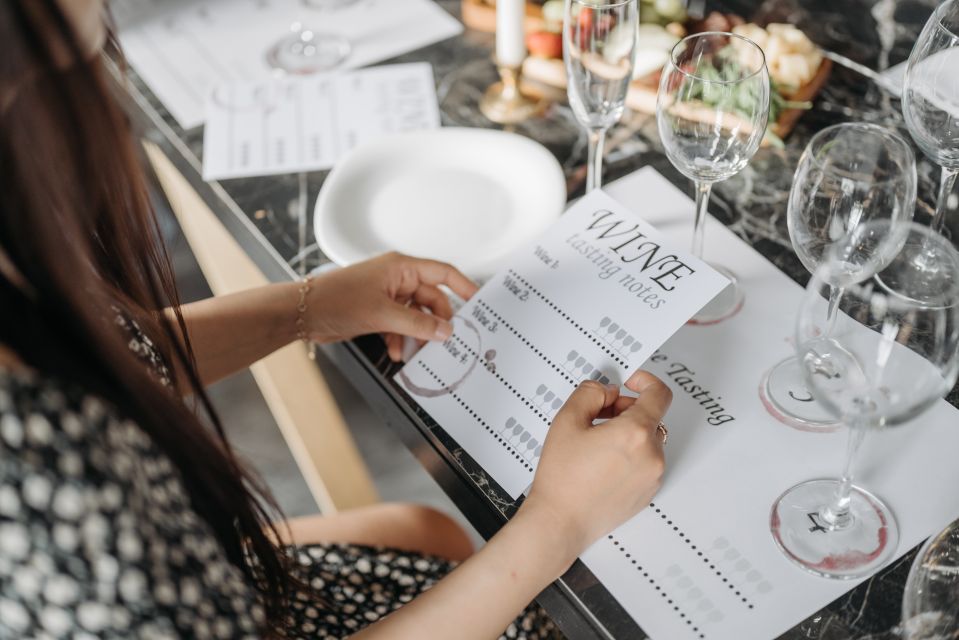
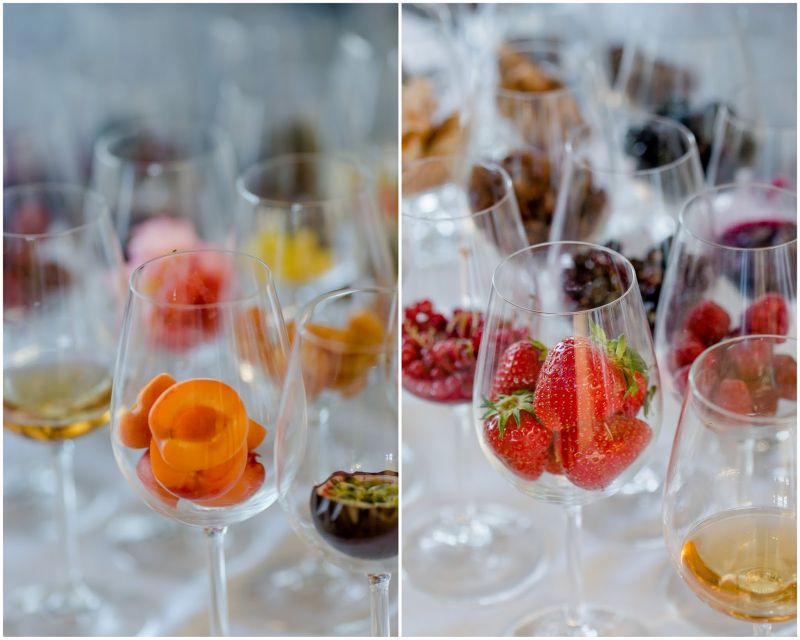
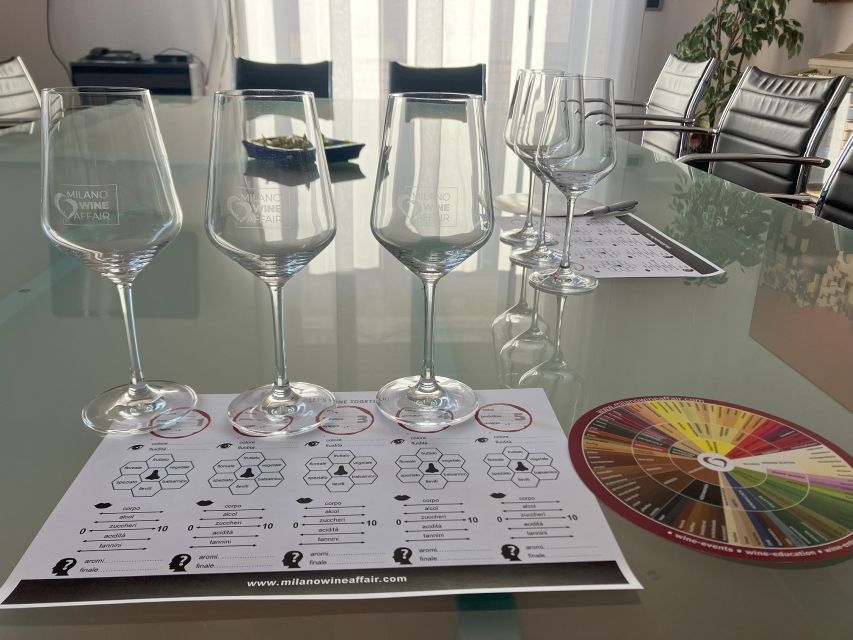
- Italian rosé wines display three distinct shades: soft pink, vibrant coral, and darker claret, each offering unique flavor profiles and aromas.
- Soft pink rosé features floral notes and refreshing acidity, perfect for summer sipping and light appetizers.
- Vibrant coral rosé provides bolder fruitiness, making it ideal for pairing with light pasta dishes.
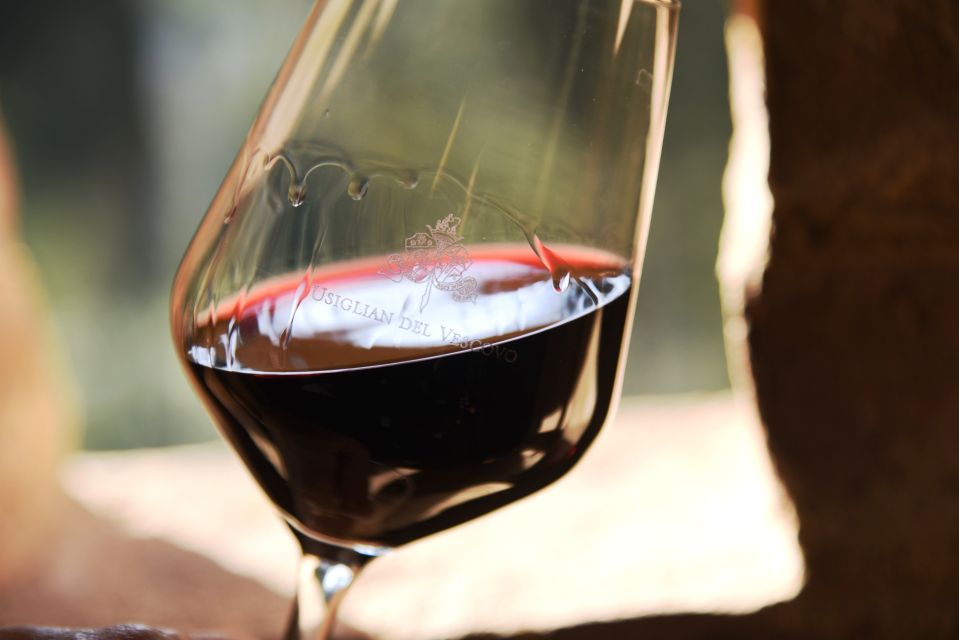
- Darker claret rosé exhibits complexity with deeper berry flavors, showcasing the terroir’s influence and winemaker’s vision.
- Each shade reflects regional characteristics, with notable production techniques enhancing the diversity of Italian rosé wines.
Overview of Italian Rosé Wines
Italian rosé wines are a delightful blend of vibrant flavors and stunning colors, showcasing the rich diversity of Italy’s winemaking regions. From the soft, blush pinks of the north to the deeper cherry hues of the south, these wines captivate with their visual appeal.
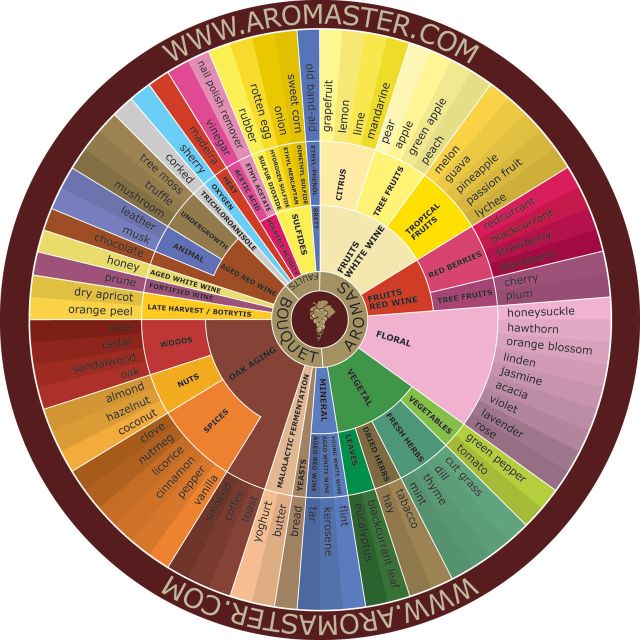
They’re not just pretty to look at—each glass offers a bouquet of floral and fruity aromas, often with a hint of balsamic complexity. The taste? Fresh and balanced, with a touch of tannins and crisp acidity that’s reminiscent of white wines.
Produced through clever techniques like short maceration and direct pressing, these rosés reflect the unique terroir and grape varieties of their regions, making them a true expression of Italian craftsmanship.
You can also read our reviews of more wine tours in Milan


The Art of Wine Tasting
Wine tasting isn’t just about sipping; it’s an engaging journey that invites participants to explore the intricate flavors, aromas, and stories behind each glass. For those ready to dive in, there’s so much more than just a drink.
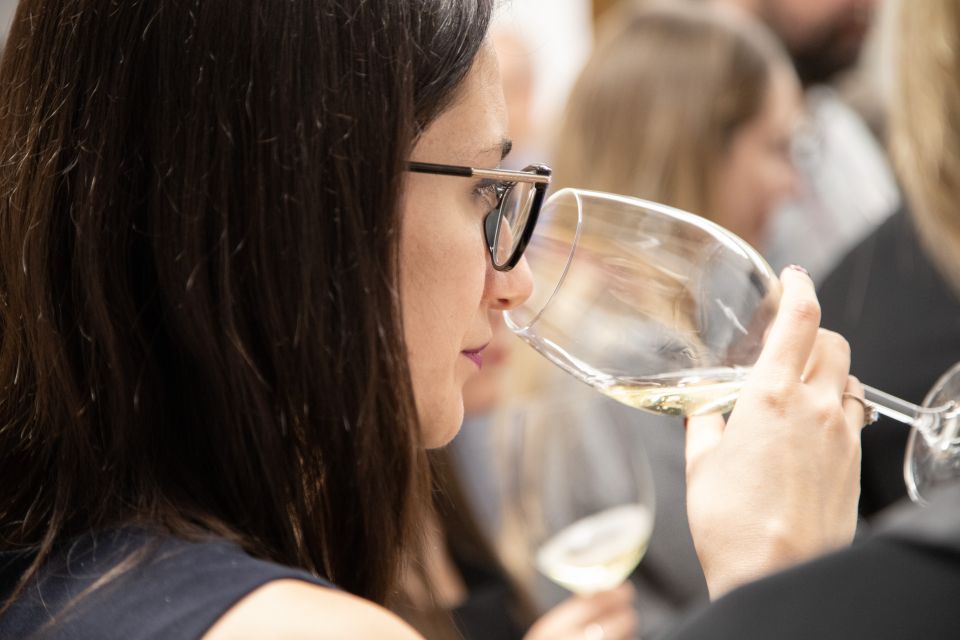
Swirling the Glass: It releases those delightful aromas, making the experience richer.
Savoring Each Sip: Tasting isn’t a race; it’s about letting the flavors unfold on the palate.
Sharing Insights: Every glass tells a story, whether it’s about the vineyard, the winemaker, or the region’s unique characteristics.
Tasting Italian rosé wines, with their floral and fruity notes, is an adventure that encourages curiosity and connection. Each pour opens a door to history and passion, making every sip something to celebrate.
Exploring the Three Shades
Understanding the nuances of rosé wines means appreciating the three distinct shades they can embody, each telling its own story through color and flavor.
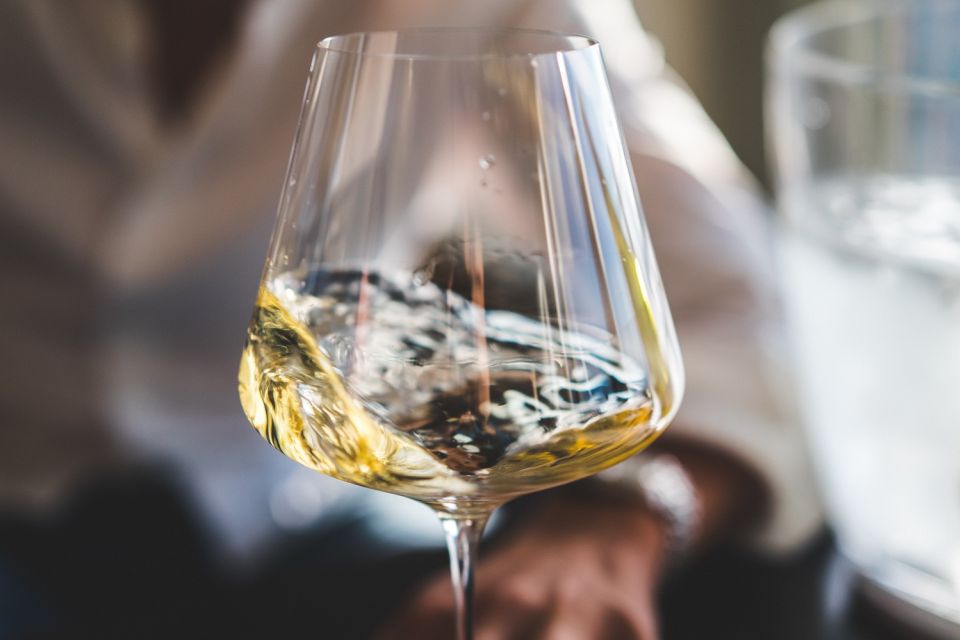
The first shade, a soft pink, often hints at floral notes and a refreshing zing, perfect for summer sipping.
Then there’s the vibrant coral, which brings a bolder fruitiness, making it a great match for light pasta dishes.
Finally, the darker, claret shades pack in complexity, showcasing deeper berry flavors and a hint of earthiness that pairs beautifully with grilled meats.
Each shade not only enhances the tasting experience but also reflects the unique terroir and production methods from Italy’s diverse wine regions, making every sip an adventure worth exploring.
Key Characteristics of Rosé
Rosé captivates with its vibrant color range and delightful blend of floral and fruity aromas, making it a favorite for casual tastings and sophisticated pairings alike. Each sip reveals a unique profile that reflects the vine variety and the terroir from which it hails.
-
Color: Ranges from soft pink to deep coral, captivating the eye.
-
Aroma: Offers an enchanting mix of floral notes and juicy fruits, sometimes with a hint of balsamic.
-
Palate: Delivers a fresh, balanced experience with a slight tannic grip, reminiscent of white wines’ acidity.
These characteristics make rosé not just a pretty drink but a versatile choice for any occasion. Whether it’s brunch or dinner, rosé always fits right in.
More Great Tours NearbyPopular Production Techniques
Mastering the art of Italian rosé production involves a few key techniques that highlight the unique flavors and qualities of the grapes, ensuring each bottle tells its own story.
One popular method is short maceration, where the skins stay in contact with the juice for just a night or a day, giving that lovely pink hue without overwhelming tannins.
Another technique is bloodletting, where winemakers draw off some juice from red grapes early in fermentation to create a lighter wine.
Direct pressing is also common, pressing the grapes immediately to extract that delicate color.
These methods aren’t just about style; they reflect the terroir and the winemaker’s vision, resulting in rosés that are as diverse as Italy itself.
- Milan: Cathedral and Duomos Terraces Entrance Ticket
★ 4.6 · 61,054 reviews - Milan: City Sightseeing Hop-On Hop-Off Bus With Audio Guide
★ 4.0 · 6,256 reviews - Milan: Milan Cathedral Direct Entrance – Terrace Excluded
★ 4.5 · 5,782 reviews - Milan: Guided Walking Tour & Last Supper Visit With Ticket
★ 4.7 · 5,409 reviews - Duomo Terraces Fast-Track Ticket & Optional Duomo Entry
★ 4.5 · 4,870 reviews - Milan: Navigli Canal Boat Cruise
★ 3.3 · 4,502 reviews
Notable Italian Regions
Italy’s diverse landscapes give rise to some of the most notable regions for producing exquisite rosé wines, each with its own unique character and charm. From the sun-kissed vineyards of the south to the cooler climes of the north, these regions deliver delightful variations in flavor and style.
-
Puglia: Known for its vibrant, fruit-forward rosés that capture the essence of summer.
-
Tuscany: Offers elegant and sophisticated wines, often showcasing the region’s iconic Sangiovese grape.
-
Lombardy: Famous for its fresh, lively rosés, influenced by the nearby lakes.
Each of these regions contributes to Italy’s rich tapestry of rosé wines, making it a must-try for any wine enthusiast.
The Role of Terroir
Understanding the role of terroir in Italian rosé wines reveals how the unique characteristics of soil, climate, and geography shape each bottle’s flavor profile.
In Italy, every region tells a story through its wines, influenced by its specific terroir. For instance, the volcanic soils of Campania infuse a distinct mineral quality, while the sun-soaked hills of Tuscany contribute to a fruity, vibrant taste.
The varying climates, from cooler coastal breezes to warmer inland temperatures, also play a huge part in determining acidity and sweetness. This intricate dance between nature and wine-making creates a diverse array of flavors, making each sip a journey through Italy’s rich landscapes.
Terroir truly elevates these rosés, giving them personality and authenticity.
Enhancing Your Wine Experience
The unique stories told through each region’s terroir can be further appreciated by engaging in a few simple practices that elevate the overall wine tasting experience.
Participants can enhance their enjoyment of Italian rosé wines by focusing on a few key elements:
-
Mindful Tasting: Take the time to savor each sip, noting the wine’s aromas and flavors. This mindfulness opens up a world of complexity.
-
Pairing with Food: Experiment with light appetizers like bruschetta or seafood. The right bites can highlight the wine’s freshness.
-
Engaging Conversations: Share thoughts and experiences with fellow tasters. Discussing different perceptions creates a richer atmosphere and deepens understanding.
Frequently Asked Questions
What Should I Wear for the Wine Tasting Event?
For the wine tasting event, she should opt for smart casual attire. A stylish top paired with comfortable jeans or a chic skirt works perfectly, allowing her to enjoy the experience without sacrificing comfort or flair.
Is the Wine Tasting Suitable for Beginners?
The wine tasting’s totally suitable for beginners. It offers a relaxed vibe, with a professional sommelier guiding everyone through the basics. Participants’ll learn and enjoy without any pressure, making it a fun experience for all.
Can I Bring My Own Wine to the Event?
He can’t bring his own wine to the event. The sommelier provides carefully selected wines for tasting, ensuring an educational experience. It’s all about appreciating the curated selection and learning about those unique flavors.
Are Non-Alcoholic Options Available During the Tasting?
They’re curious about non-alcoholic options during the tasting. The organizers usually don’t provide them, but they’re open to suggestions. Participants can always bring their own beverages to enjoy alongside the wine experience.
How Can I Ensure My Spot if the Group Is Full?
To secure a spot, she can check for cancellations or waitlist options. Alternatively, booking early often guarantees a place, and she should keep an eye on availability updates to snag a spot.
PINK Passion: 3 Shades of Italian Rosé Wines
Recap
In the vibrant world of Italian rosé wines, each shade brings its own unique story and flavor profile to the table.
Whether you’re sipping on a soft pink during a sunny afternoon or savoring a deeper claret with dinner, there’s always something new to discover.
So, why not dive into this enchanting adventure?
Exploring these wines not only tantalizes the taste buds but also connects you to the rich traditions and diverse terroirs of Italy.
Cheers!
You can check availability for your dates here: