Set out on a journey through the storied vineyards of Portugal, where each bottle of wine whispers tales of ancient traditions and innovative techniques. As the sun sets over the terraced Douro Valley or casts a golden hue on the Alentejo plains, the landscape becomes a living canvas that shapes the very essence of Portuguese wines. But what secrets lie within these historic vineyards, and how do they continue to captivate connoisseurs and enthusiasts alike? Let’s uncover the intertwined narratives of Portuguese wine history and its breathtaking landscape, where every sip holds a promise of discovery and delight.
Key Points
- Portuguese wine origins date back centuries, influenced by ancient Romans and maritime explorations.
- Historical regions like Douro and Alentejo boast centuries-old vineyards and unique winemaking traditions.
- Key winemaking techniques include grape selection, traditional lagares, oak barrels, and modern technology.
- Notable grape varieties like Touriga Nacional, Alvarinho, and Baga define Portuguese wine flavors.
- Diverse landscapes, from mountains to coastal regions, create distinct microclimates for grape cultivation.
Portuguese Wine Origins

Portuguese wine origins date back centuries and are deeply intertwined with the country’s rich history and diverse winemaking traditions.
The cultivation of vineyards in Portugal dates as far back as the time of the ancient Romans. However, it was during the Middle Ages that Portuguese wine production truly flourished, with monasteries playing a significant role in advancing winemaking techniques.
The maritime explorations of the 15th and 16th centuries further expanded Portugal’s wine trade, introducing Portuguese wines to new markets around the world.
Today, Portugal is renowned for its unique grape varietals, such as Touriga Nacional and Alvarinho, and its distinct winemaking methods, including the production of Port wine and Vinho Verde.
The country’s long history and diverse terroirs contribute to the exceptional quality and character of Portuguese wines.
You can also read our reviews of more historical tours in Lisbon


Historical Wine Regions
Exploring the historical wine regions of Portugal unveils a tapestry woven with centuries-old vineyards and unique winemaking traditions that have shaped the country’s wine landscape. The regions of Douro and Alentejo stand out as prime examples of Portugal’s rich viticultural history. In Douro, steep terraced vineyards overlook the meandering Douro River, producing world-renowned Port wines. On the other hand, Alentejo boasts vast plains dotted with cork oak trees and vineyards, where bold red wines thrive under the Alentejo sun. These regions not only offer exceptional wines but also provide a glimpse into the cultural heritage and craftsmanship that have been passed down through generations.
| Region | Highlight |
|---|---|
| Douro | Terraced vineyards overlooking the Douro River |
| Alentejo | Vast plains with cork oak trees and vineyards |
Key Winemaking Techniques
Utilizing centuries-old methods and modern innovations, winemakers in Portugal employ a range of key techniques to craft their exceptional wines. One of the fundamental techniques is grape selection, where only the finest grapes are chosen for the winemaking process.
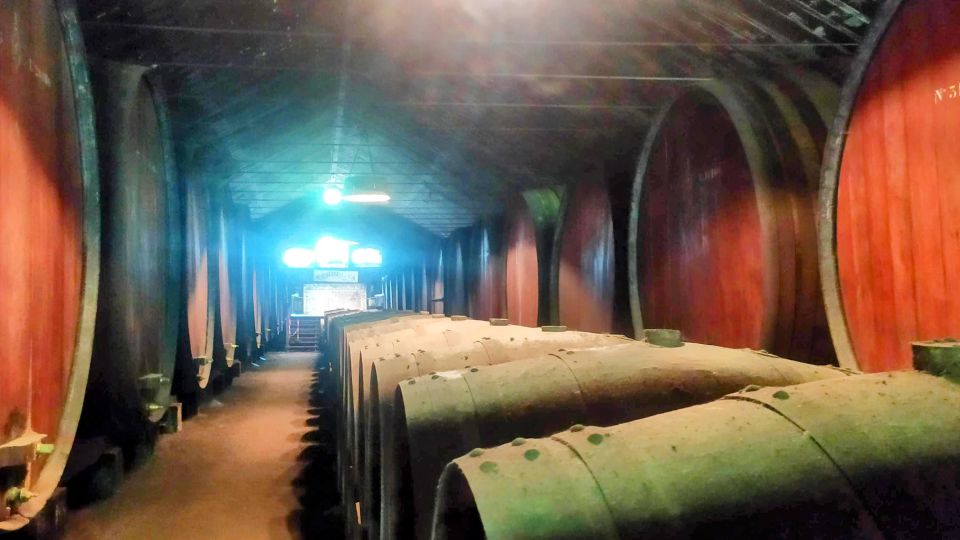
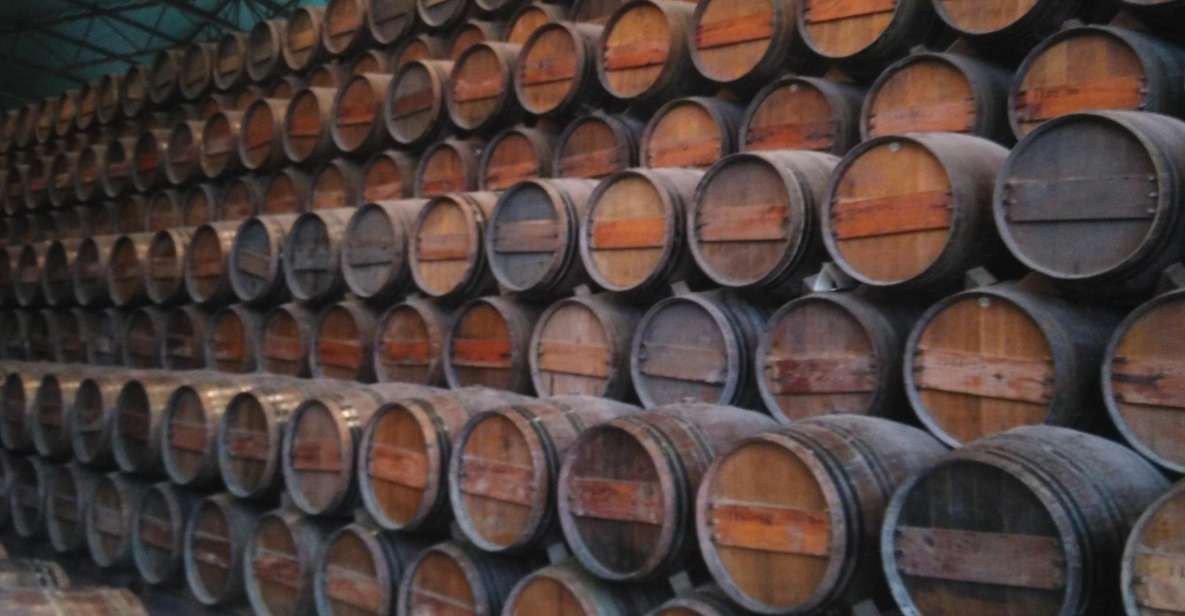
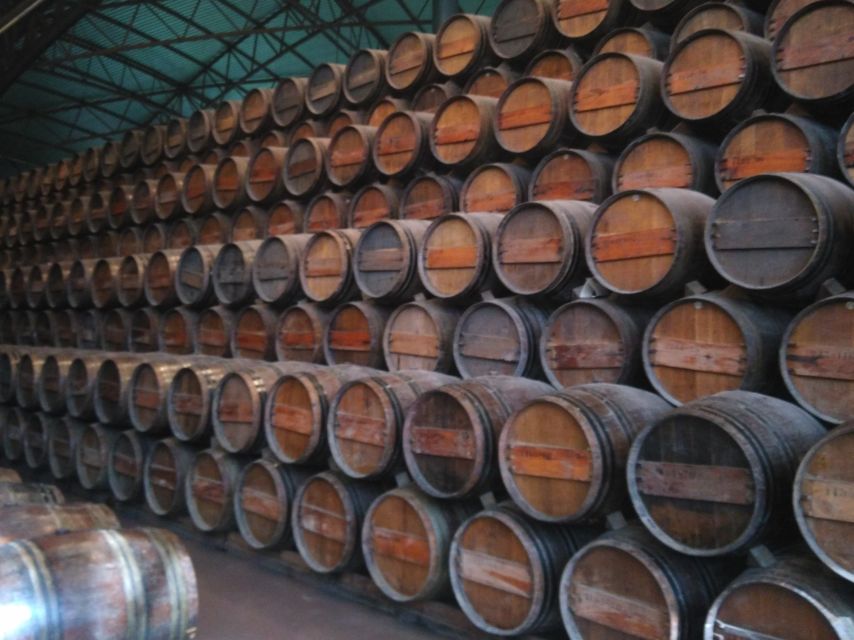
After harvesting, many wineries still tread grapes by foot in traditional lagares, enhancing extraction while preserving the grapes’ quality. Fermentation plays a crucial role, with some winemakers opting for oak barrels to impart unique flavors and textures to the wines.
Plus, blending different grape varieties is a common practice, allowing winemakers to create complex and balanced wines. The use of modern technology, such as temperature-controlled fermentation tanks, has also become prevalent, ensuring consistency and quality in every bottle of Portuguese wine.
Notable Portuguese Grape Varieties
Crafting exceptional Portuguese wines relies heavily on the use of notable grape varieties, each contributing unique flavors and characteristics to the final product.
Some of the most renowned grape varieties in Portugal include Touriga Nacional, known for its intense aromas of dark fruits and floral notes, and Touriga Franca, which adds structure and complexity to blends.
Another prominent grape is Alvarinho, producing vibrant and aromatic white wines with a refreshing acidity.
Plus, Baga is a widely used grape in the Bairrada region, delivering bold red wines with high tannins.
These grape varieties, among others like Arinto and Castelão, play crucial roles in shaping the diverse and flavorful landscape of Portuguese wines.
More Great Tours NearbyInfluence of Landscape on Wine
The diverse landscape of Portugal, characterized by rolling vineyard-covered hills and coastal influences, plays a significant role in shaping the unique flavors and characteristics found in Portuguese wines. The varying terrains, from the mountainous Douro Valley to the sun-kissed Alentejo plains, provide distinct microclimates that influence grape growth and wine production. The proximity to the Atlantic Ocean also imparts a maritime influence on some regions, contributing to the freshness and minerality of certain wines.
| Landscape Feature | Influence on Wine | Example |
|---|---|---|
| Mountainous Terrain | Promotes grape acidity and complexity | Douro Valley |
| Coastal Proximity | Enhances freshness and minerality | Vinho Verde |
| Sun-Exposed Plains | Encourages ripeness and fruitiness | Alentejo |
You can also read our reviews of more wine tours in Lisbon
- Lisbon: Intimate Live Fado Music Show with Port wine
★ 4.7 · 4,300 reviews - Lisbon: Food and Wine Small Group Walking Tour
★ 4.9 · 4,082 reviews - Lisbon: Champagne Sailing Tours
★ 4.9 · 1,366 reviews - Lisbon: Fado Show with Wine in a Historic Venue
★ 4.8 · 1,294 reviews - Lisbon: Daytime or Sunset Boat Cruise with History and Wine
★ 5.0 · 1,053 reviews - Lisbon Sunset Sailing Tour With White or Rosé Wine and Snacks
★ 5.0 · 976 reviews
Impact of Arrabida National Park
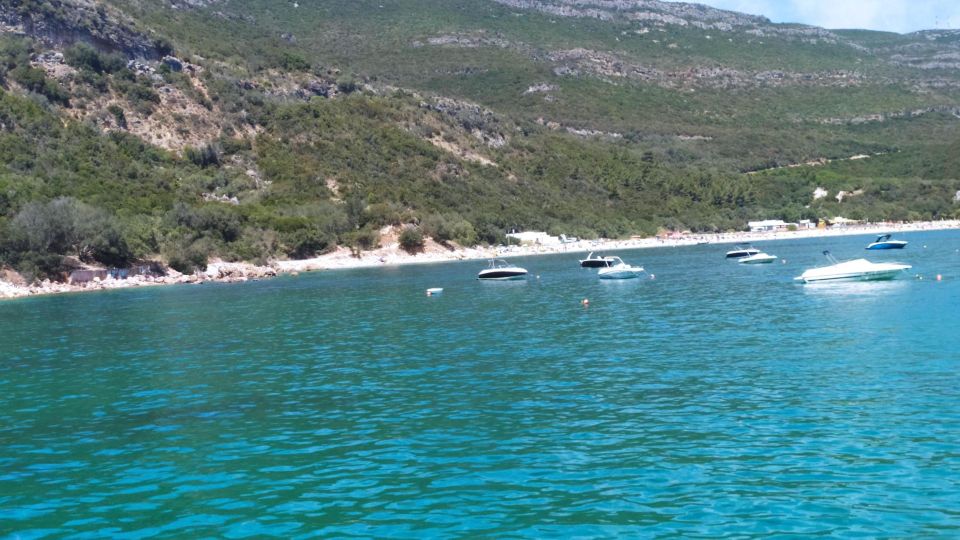
Arrabida National Park’s captivating landscapes and biodiversity have a remarkable influence on the wines produced in the surrounding regions of Portugal. The unique microclimate of the park, with its proximity to the Atlantic Ocean and the protection provided by the mountain range, creates ideal conditions for vine cultivation.
The park’s limestone soils contribute to the minerality and complexity of the wines grown in this area, particularly the renowned Moscato. Winemakers benefit from the cooling maritime breezes that help maintain the grapes’ acidity and freshness.
Plus, the rich biodiversity of the park, including diverse flora and fauna, adds to the overall terroir, providing a distinct character to the wines produced here. The wines from this region reflect the harmony between nature and winemaking expertise, resulting in exquisite and unique flavors.
Palmela Castle & Wine Tasting
Nestled atop a picturesque hill, the historic Palmela Castle offers a captivating backdrop for a delightful wine tasting experience in Portugal. Visitors can indulge in the rich flavors of the region while enjoying stunning views of the surrounding vineyards. The table below provides a glimpse into the enchanting Palmela Castle and the wine tasting experience:
| Highlights | Details |
|---|---|
| Location | Palmela, Portugal |
| Castle History | Built by the Moors, later conquered by the Portuguese in the 12th century |
| Wine Tasting Options | Sample a variety of local wines, including the famous Moscato |
| Scenic Views | Overlook the vineyards and the charming town of Palmela |
Azeitao Winery Experience
Perched amidst the scenic beauty of Azeitao, visitors are welcomed to enjoy an unforgettable winery experience, steeped in local tradition and exquisite flavors. Azeitao is renowned for its historic wineries, where visitors can witness the winemaking process firsthand, from grape to glass.
The aroma of aging oak barrels fills the air as knowledgeable guides lead guests through vineyards and cellars, sharing insights into the region’s winemaking heritage. Wine tastings offer a chance to savor the rich complexities of local varietals, including the famous Moscatel de Setubal, known for its sweet and fruity notes.
With each sip, visitors are transported to the heart of Portuguese winemaking, where centuries-old techniques meet modern innovation, creating a truly memorable experience.
Frequently Asked Questions
What Are Some Unique Portuguese Grape Varieties to Try During a Wine Tasting?
During a wine tasting, visitors may enjoy unique Portuguese grape varieties such as Touriga Nacional, Alvarinho, and Baga. These grapes offer distinctive flavors and aromas, showcasing the rich diversity of Portugal’s winemaking traditions.
How Does the Landscape of Arrabida National Park Affect Wine Production?
The unique landscape of Arrabida National Park impacts wine production by providing a microclimate ideal for grape cultivation. The park’s proximity to the sea and its hilly terrain create a diverse environment that influences the flavors and characteristics of the wines produced there.
Can Visitors Explore Palmela Castle During the Wine Tasting Tour?
Yes, visitors can explore Palmela Castle during the wine tasting tour. The castle visit is a highlight of the itinerary, offering a unique blend of history and wine tasting in the picturesque setting of Palmela.
What Sets Azeitao Winery Apart From Other Wineries in the Region?
Azeitao Winery stands out for its rich history, traditional winemaking techniques, and exceptional quality wines. Visitors can enjoy a unique tasting experience, exploring the vineyards, cellars, and tasting rooms that showcase the region’s wine-making heritage.
Are There Opportunities to Learn About Traditional Winemaking Techniques During the Tour?
During the tour, visitors have the opportunity to learn about traditional winemaking techniques. The experience includes exploring Palmela Castle, wine tasting in Azeitao, and discovering the beauty of Arrabida National Park and Portinho Beach, providing a rich cultural and sensory experience.
Portuguese Wine History & Amazing Landscape
Recap
To sum it up, Portuguese wine history is a fascinating journey through ancient vineyard cultivation, medieval production, and maritime explorations.
With unique grape varietals, distinctive winemaking methods, and diverse landscapes, Portugal offers an unparalleled wine experience.
The influence of the Arrabida National Park, Palmela Castle, and Azeitao Winery showcase the harmonious blend of tradition, terroir, and heritage that make Portuguese wines truly exceptional.
Experience the magic of Portuguese wine and landscape for yourself.