
The Qeswachaka Bridge stands as a testament to the incredible ingenuity of Andean technology, expertly crafted from qoya plant fibers by the Quechua people. Each year, this unique structure undergoes a fascinating reconstruction that not only serves a vital function but also embodies the rich cultural heritage of the region. It’s a collaborative celebration of tradition, weaving the past into the present. But what really keeps this bridge alive? The answer lies in the stories of those who maintain it, and the deep connections they foster along the way.
Key Points
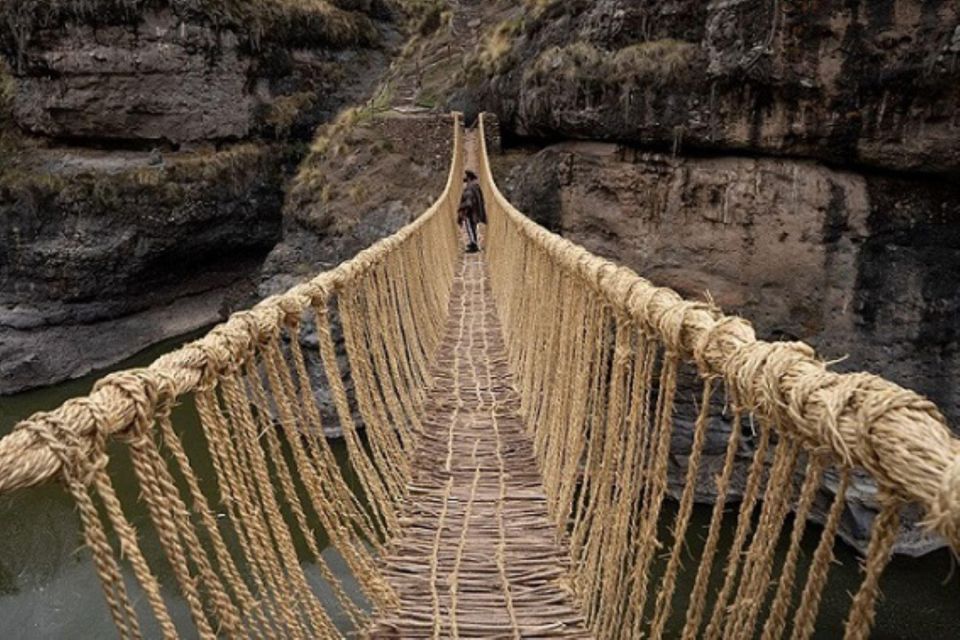

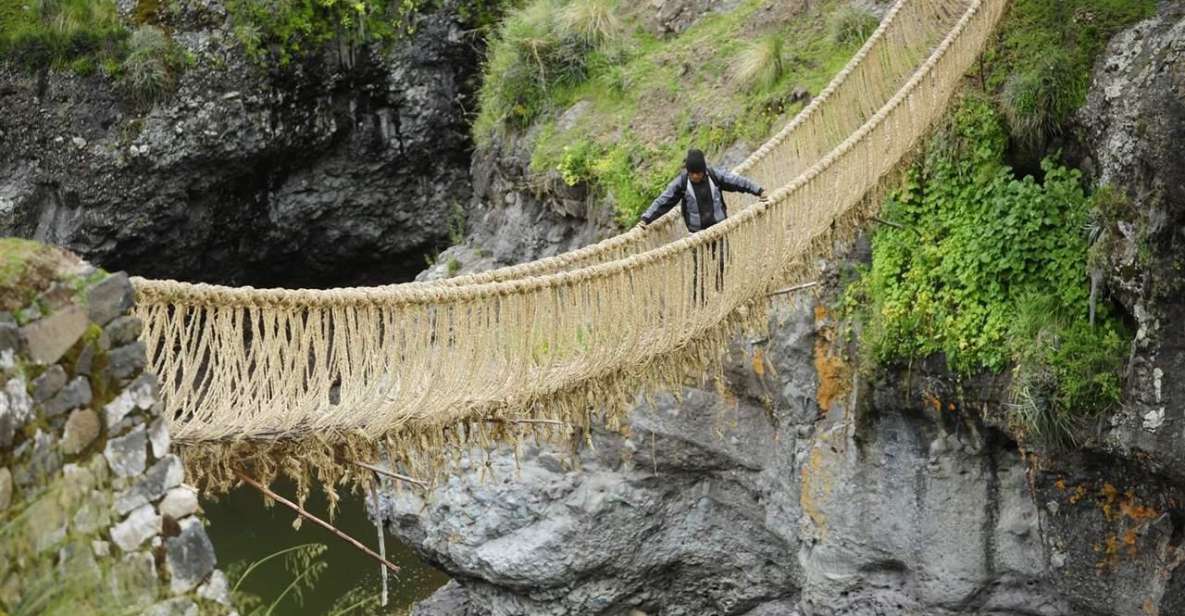
- Qeswachaka Bridge is the last surviving Inca bridge, reconstructed annually by the Quechua people using resilient plant fibers called qoya.
- The bridge symbolizes unity among Andean communities and showcases the ingenuity of Andean technology in construction and restoration.
- Annual restoration events involve rituals honoring Pachamama and Apus, preserving Quechua customs and strengthening community ties.
- Skills for bridge construction and restoration are passed down through generations, ensuring cultural survival and heritage.
- The bridge serves as a living piece of history, inviting cultural experiences and celebrating the vibrant traditions of the Quechua people.
Overview of Qeswachaka Bridge
Qeswachaka isn’t just any bridge; it’s the last surviving Inca bridge, lovingly reconstructed each year by the Quechua people with resilient plant fibers that carry deep cultural significance.
This remarkable structure, woven from qoya—an extraordinary vegetable fiber—stands as a testament to their heritage. Each year, communities gather to participate in the restoration, celebrating their connection to the ancestors and the land.
The bridge isn’t merely a crossing; it symbolizes unity among the Andean communities, fostering bonds that span generations.
As visitors approach, they can feel the vibrant energy surrounding the bridge, making it a living piece of history.
Qeswachaka invites everyone to experience the rich tapestry of Inca culture woven into its very fabric.
You can also read our reviews of more tours and experiences in Cusco.


Importance of Andean Technology
Andean technology plays a crucial role in preserving cultural practices and fostering community resilience, especially when it comes to traditional methods like bridge construction.
The Qeswachaka bridge is a prime example, showcasing the ingenuity of the Quechua people. They use qoya, a strong plant fiber, to create a structure that withstands the test of time.
This hands-on approach not only connects communities but also strengthens bonds among those who participate in its annual restoration. By engaging in this collective effort, locals uphold their heritage while adapting to modern challenges.
Plus, the skills passed down through generations ensure that these time-honored techniques remain alive, proving that Andean technology isn’t just about survival; it’s about thriving together.
Cultural Significance and Traditions
The annual restoration of the bridge not only showcases remarkable engineering skills but also highlights the rich cultural traditions and deep-rooted beliefs of the Quechua people, making it a vibrant celebration of their heritage.
This event isn’t just about fixing a bridge; it’s a lively gathering filled with rituals and community spirit. Participants honor Pachamama and the Apus, reinforcing their connection to the land and ancestors.
Here are three key aspects of this cultural significance:
-
Community Bonding: Locals come together, strengthening ties and sharing stories.
-
Ancestral Worship: Rituals are performed to pay homage to nature and the Inca heritage.
-
Preservation of Identity: The tradition keeps Quechua customs alive for future generations.
Tour Details and Options
Experience an unforgettable day exploring the last Inca bridge with a tour that offers a perfect blend of adventure and culture. Participants can embark on a one-day journey, soaking in stunning landscapes while learning about the fascinating traditions of the Quechua people.
Tours are available in both Spanish and English, ensuring everyone gets the full experience. For those seeking a more personalized touch, private group options are also offered.
Plus, with free cancellation up to 24 hours in advance, booking is stress-free! You can reserve your spot without upfront payment, making it easy to plan ahead.
More Great Tours NearbyItinerary Highlights
Set against the breathtaking backdrop of the Andes, the itinerary unfolds with an early morning pickup at 05:00, kicking off an adventure through stunning landscapes and vibrant local culture.
Travelers will experience the essence of the region as they explore unique sites and traditions.
The day’s highlights include:
-
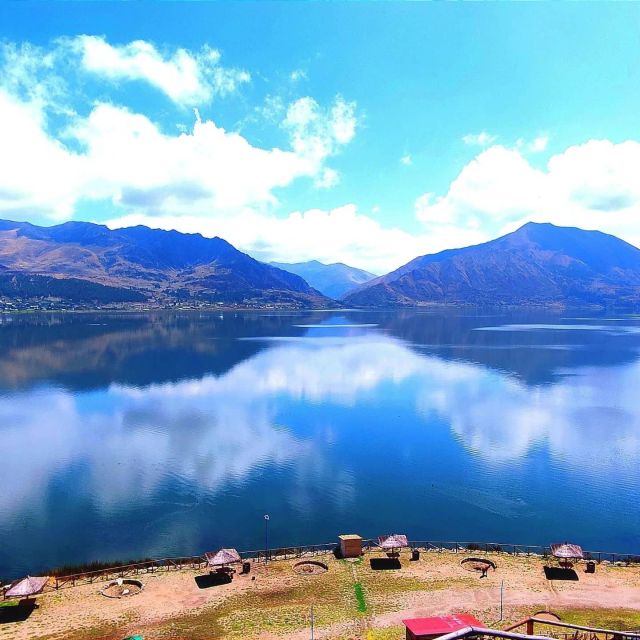
A visit to four picturesque lagoons, perfect for soaking in the natural beauty.
-
An exploration of the charming village of Yanaoca and the majestic Pabellones volcano, where local stories abound.
-
A guided tour of the Qeswachaka Bridge, learning about its incredible conservation methods and cultural significance.
As the day wraps up, participants compare the ancient Qeswachaka with the colonial Checacupe bridge, creating lasting memories of their Andean adventure.
- Cusco: Humantay Lake With Breakfast and Buffet Lunch
★ 4.9 · 2,976 reviews - From Cusco: Full-Day Group Tour of Machu Picchu
★ 4.7 · 1,767 reviews - From Cusco: Moray and Salt Mines Quad Bike Tour
★ 4.6 · 1,263 reviews - From Cusco: Sacred Valley Tour With Pisac and Ollantaytambo
★ 4.6 · 932 reviews - Machu Picchu: Full-Day Tour From Cusco With Optional Lunch
★ 4.6 · 927 reviews - 5-Day Premium Salkantay Trek
★ 5.0 · 788 reviews
Inclusions and Costs
Included in the tour package are round-trip transportation, breakfast and lunch box lunches, and the expertise of an official tour guide, making for a hassle-free experience. This thoughtful inclusion ensures you can focus on soaking in the stunning landscapes and rich culture without any worries.
Here’s a quick look at the costs involved:
| Item | Cost (S/.) | Notes |
|---|---|---|
| Entrance to Qeswachaka | 20 | Required for access |
| Breakfast Box Lunch | Included | Tasty and convenient |
| Lunch Box Lunch | Included | Perfect for the journey |
| Additional Costs | Varies | Snacks, drinks, souvenirs |
This tour promises an unforgettable adventure while keeping your wallet in check!
Restrictions and Recommendations
Travelers should be aware that the tour isn’t suitable for pregnant women, wheelchair users, or anyone with respiratory issues, ensuring a safe and enjoyable experience for all participants.
To make the most of this incredible journey, here are some important restrictions and recommendations:
-
Prohibited Items: Leave pets, smoking materials, alcohol, and drugs at home to respect the local culture.
-
Cultural Engagement: Be prepared to engage in rituals and offerings to Pachamama and the Apus, enriching the experience.
-
Essential Gear: Make sure to pack a passport, hat, snacks, water, breathable clothing, and hiking pants for comfort during the adventure.
Following these guidelines helps maintain the integrity of the site and maximizes enjoyment for everyone involved!
Experience the Inca Heritage
Embracing the vibrant traditions of the Inca heritage, visitors to Qeswachaka can enjoy a rich tapestry of culture and history that resonates throughout the Andes.
They’ll witness the incredible craftsmanship that goes into rebuilding the bridge each year, using the same techniques passed down through generations.
Engaging with local Quechua people, travelers can participate in rituals, offering thanks to Pachamama and the Apus, deepening their understanding of Andean spirituality.
As they explore the stunning landscapes, they’ll also enjoy traditional foods, making the experience even more memorable.
Whether it’s the breathtaking views or the stories shared along the way, experiencing the Inca heritage at Qeswachaka is a journey that lingers in the heart long after the visit ends.
Frequently Asked Questions
How Long Does It Take to Build the Qeswachaka Bridge Each Year?
Every year, the community gathers to rebuild the bridge, taking about three days to weave together the durable plant fibers. It’s a vibrant process filled with tradition, teamwork, and a deep connection to their heritage.
What Materials Are Traditionally Used in the Bridge Construction?
Inca bridge builders traditionally use strong plant fibers, like qoya, for construction. They weave these materials skillfully, ensuring the bridge remains sturdy and resilient, reflecting their deep connection to nature and time-honored craftsmanship.
Are There Any Local Legends About the Qeswachaka Bridge?
Local legends weave tales of the Qeswachaka Bridge as a sacred connection between communities. They say it’s a bridge of spirits, where ancestors guide the living, ensuring safe passage across the rugged Andean landscape.
How Do Locals Select the Site for the Bridge Each Year?
Each year, locals scout ideal sites by observing river currents and terrain. They prefer sturdy, accessible locations, ensuring the bridge connects communities while honoring tradition. It’s a careful blend of practicality and ancestral wisdom that guides their choices.
Can Visitors Participate in the Bridge Restoration Process?
Visitors can absolutely join in the bridge restoration process! They’ll learn from locals, engage in rituals, and help weave the strong plant fibers, making the experience both memorable and culturally enriching for everyone involved.
Qeswachaka The Last Inca Bridge, Andean Technology
Recap
In the heart of the Andes, Qeswachaka stands not just as a bridge, but as a living testament to the Quechua people’s resilience and creativity.
This annual tradition weaves together history, culture, and community, reminding everyone of the rich tapestry of Andean life.
Whether you’re crossing the bridge or simply soaking in the surroundings, there’s a sense of connection to something greater.
So, why not dive into this unique experience and embrace the magic of Inca heritage?
You can check availability for your dates here:


