
Travelers interested in a thought-provoking peek into the past will find the Rabtejn tour a compelling experience. This guided journey takes you through the remnants of a site once linked to both industrial innovation and wartime tragedy. Whether you’re a history enthusiast, a curious traveler, or someone looking to understand the darker chapters of the region, this tour offers a nuanced, authentic perspective.
What makes this experience stand out? We love the combination of outdoor exploration and underground discovery, providing a layered view of Rabtejn’s complex history. Plus, the exhibitions covering camp history, local nature, and plane crashes add depth and context. One aspect to consider is the requirement for physical activity and the need for personal flashlights—a small challenge for those less comfortable with underground excursions. Overall, it’s well-suited for travelers with a serious interest in history or those exploring the Czech Republic’s wartime sites, especially if you’re prepared for a moderate walk and some underground exploration.
Key Points
- Authentic historical insight through guided storytelling and exhibits.
- Unique underground sections requiring your own lights, adding adventure.
- Reflects the region’s complex history, from industry to wartime trauma.
- Moderate physical activity involved, including walking and underground navigation.
- Not suitable for young children or those with claustrophobia.
- Offers a meaningful, respectful glimpse into a lesser-known part of Czech history.
A Deep Dive into the Rabtejn Guided Tour Experience
The journey begins at the Janská meeting point, a modest spot marked by a sign and parking area. From there, your guide, likely fluent in English or German, will introduce you to the story of Rabtejn—a name derived from a sandstone massif in the shape of a raven, which no longer exists due to mining. This initial talk sets the stage, providing context about Rabtejn’s transformation from an industrial hub in the 1800s to a site of wartime hardship.
The Industrial Roots and War Transformation
In its heyday (1860-1867), Rabtejn was bustling with cotton spinning mills, employing around 1,000 workers. The founder, F. Preidl, was even elevated to the nobility, hinting at the prosperity of that era. As you walk through the remains, you’ll see the industrial legacy—though much of it has been lost to time and quarrying. Post-World War I, the mills declined, but the site was repurposed during WWII for military production—parts for Junkers bombers and Messerschmidt fighters were made here, with production moving underground for safety.
This industrial history is a crucial part of why Rabtejn is significant today—it reminds us that this area was not just a wartime prison but also part of the broader war effort, blending economic resilience and wartime necessity. The guide might mention how this dual purpose adds layers to understanding the site, from local industry to wartime logistics.
The Camp’s Dark Chapter
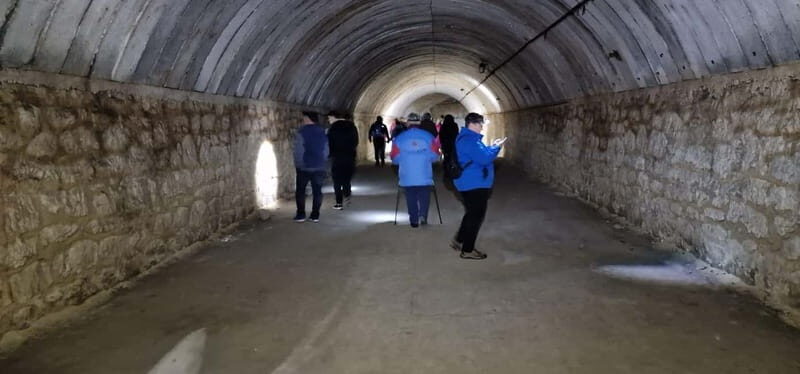
In August 1944, Rabtejn became one of the many sites of suffering when it was turned into a concentration camp, a branch of Flossenburg. Over the next eight months, prisoners forced to work in the underground factories and tunnels cut 17,500 square meters of tunnels and about 4.5 km of corridors—a feat of engineering and human endurance.
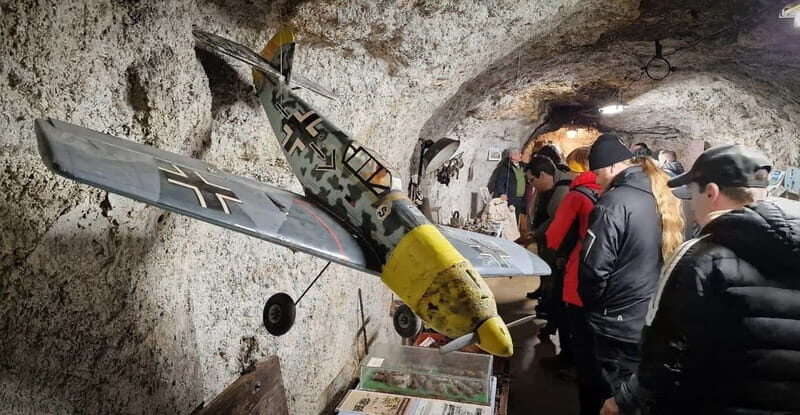
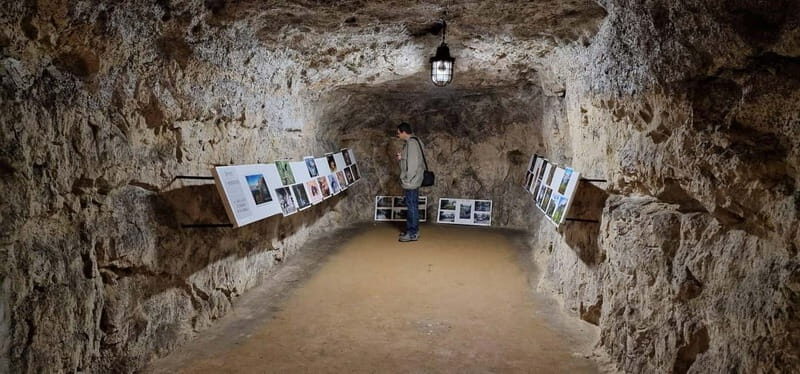
The tour’s core involves visiting the underground labyrinths—notably Werk C and Werk B—which are the main features of this tour. The first underground section, Werk C, hosts an exhibition with artifacts, documents, and photographs that tell stories of both the prisoners and the history of the area. This is where the emotional weight of the site hits home, with displays that include information about local plane crashes and wartime tragedies. The detailed exhibits help visitors piece together the narrative, making the experience more than just a walk through old tunnels.
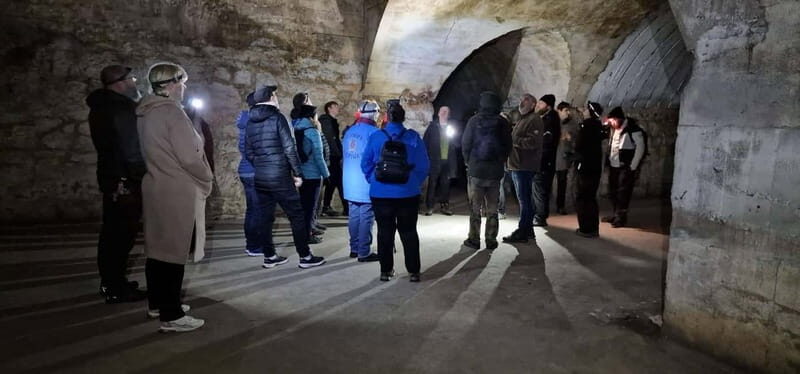
The second underground complex, Werk B, demands that you bring your own flashlight—a small inconvenience but a chance for a more immersive experience. As you navigate these tunnels, you’ll get a sense of the claustrophobic conditions faced by prisoners, as well as the ingenious engineering involved in creating these underground spaces.
The Environment and Additional Exhibitions
Beyond the tunnels, you’ll find remains of the camp, offering a stark reminder of the site’s history. The entire area is imbued with a sense of solemnity, punctuated by the exhibition on local nature and plane accidents, which broadens the understanding of the area’s diverse history.
The natural surroundings of Bohemian Switzerland, with its sandstone formations and lush greenery, contrast sharply with the underground scenes—highlighting the area’s multifaceted history. The exhibits about plane crashes are particularly poignant, illustrating the region’s complexity, where peace-time tragedy also unfolded.
More Great Tours NearbyPracticalities and Logistics
This is a private group tour lasting approximately 2 hours, making it a manageable, meaningful visit. The tour is designed for those comfortable with moderate physical activity and being underground. The underground temperature hovers around 10°C, so a warm jacket or sweater is advisable.
Since photography is permitted, you can capture some powerful images, but be mindful of the darkness and bring your own flashlight for the underground sections. The tour does not include transportation or food, so plan accordingly.
What Past Travelers Say
Many reviewers emphasize how emotional and eye-opening the experience is. One commented, “The underground tunnels are both fascinating and haunting,” while another appreciated the well-organized exhibitions that bring clarity to a complex history. Several mention the importance of comfortable shoes and being prepared for a moderate walk and underground exploration.
Pricing and Value
While the cost isn’t explicitly listed here, this tour offers exclusive access, a guided experience, and admission to key sites—making it a valuable option for those wanting an in-depth, authentic look at Rabtejn’s history. The combination of outdoor exploration and underground discovery, along with the detailed exhibits, makes it a meaningful investment for history buffs.
Who Will Enjoy This Tour?
This experience is best suited for adults and older teens interested in history, especially WWII or regional industrial history. It’s ideal for travelers who are comfortable walking and exploring underground tunnels—not recommended for young children, those with claustrophobia, or wheelchair users.
If you’re looking for a respectful, thought-provoking insight into a lesser-known chapter of Czech history, you’ll find this tour rewarding. It’s also a good choice if you want a more intimate, guided experience that avoids large, impersonal groups.
Final Thoughts: Is It Worth It?
For those eager to understand the complex layers of Czech history—from industrial prosperity to wartime suffering—this tour offers a rare glimpse. The combination of guided storytelling, underground exploration, and exhibitions provides a comprehensive picture that’s both educational and emotionally resonant.
The 2-hour duration makes it a manageable addition to a day of sightseeing around Ústí nad Labem and Bohemian Switzerland. The personalized nature of a private group means you can ask questions and engage deeply with the guide.
If you’re a traveler with a strong interest in history, especially WWII or regional industry, this tour offers a meaningful, authentic experience. Be prepared for some physical activity and underground temperatures, but in return, you’ll gain a profound understanding of Rabtejn’s layered past—an experience that stays with you long after leaving.
Rabtejn: Guided Tour of the Former Concentration Camp
FAQ
Is transportation included in the tour?
No, transportation is not included. You will meet at the designated parking area in Janská, so plan your own transport accordingly.
How long is the tour?
The tour lasts approximately 2 hours, giving enough time for a thorough visit without being overly exhausting.
Can I bring my own flashlight?
Yes, bringing your own flashlight is recommended for the underground sections, especially Werk B, which is not illuminated.
Is this tour suitable for children?
It’s not suitable for children under 6 years, particularly due to the underground tunnels and the somber nature of the history.
What should I wear?
Wear comfortable walking shoes, and bring a jacket or sweater since the underground temperature is about 10°C. Bring water and some snacks if you’d like.
Are photos allowed?
Yes, photography is permitted, but be mindful of the low lighting conditions; your own flashlight can help.
Can I cancel the tour?
Yes, you can cancel up to 24 hours in advance for a full refund, offering flexibility if your plans change.
This Rabtejn tour offers a powerful, close-up look at a site that blends industrial history with wartime trauma. It’s an honest, immersive experience that provides a deeper understanding of the region’s complex past, making it a meaningful choice for the right traveler.
You can check availability for your dates here: