
Rural community tourism in the Potato Park, Sacred Valley, presents an intriguing intersection of culture, agriculture, and sustainability. Visitors can explore a rich tapestry of indigenous traditions while discovering the park’s impressive collection of over 1,000 native potato varieties. This initiative not only preserves biodiversity but also fosters a deeper connection between travelers and local communities. As travelers engage in unique culinary experiences and cultural practices, they might wonder how these interactions shape both the visitors’ perspectives and the local identity. What unfolds in this vibrant setting might just redefine their understanding of tourism and its impact.
Key Points
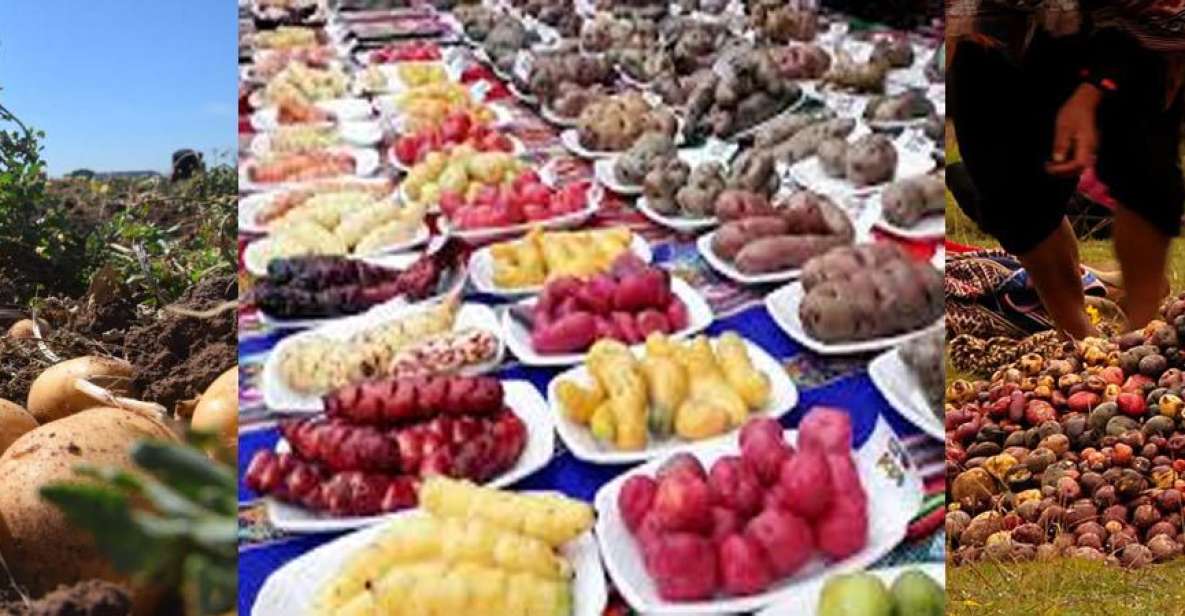

- Potato Park showcases over 1,000 native potato varieties, promoting biodiversity and sustainable farming practices among local communities.
- The park blends traditional knowledge with modern practices, offering immersive experiences in indigenous agricultural traditions and cooperative lifestyles.
- Engaging cultural activities, including culinary sessions led by local women, highlight the significance of native potatoes and community heritage.
- Educational programs raise awareness about environmental sustainability and climate change, empowering local farmers through traditional techniques.
- Visitors enjoy a unique opportunity to connect with local artisans and chefs, fostering appreciation for indigenous culture and biodiversity conservation.
Overview of Potato Park
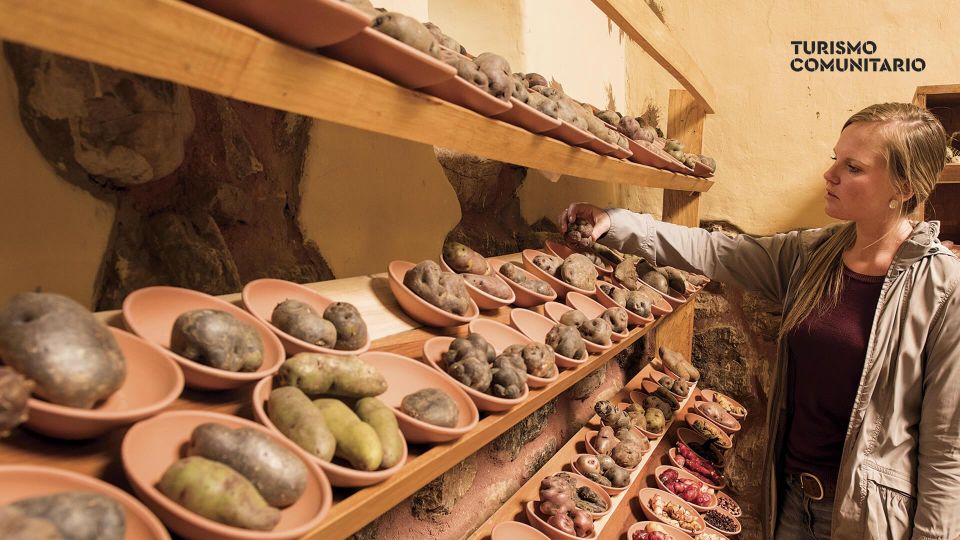
Nestled in the Sacred Valley, Potato Park is a vibrant community that celebrates the rich diversity of native potatoes while emphasizing the importance of cultural and environmental conservation. This unique destination showcases over 1,000 varieties of potatoes, reflecting the deep-rooted agricultural heritage of the region.
The park serves as an Indigenous Biocultural Heritage Territory, integrating traditional knowledge with modern environmental management practices. Local communities actively participate in conservation efforts, ensuring sustainable farming techniques and preserving their cultural identity.
Visitors to Potato Park can engage with local artisans, learn about the significance of biodiversity, and appreciate the collaborative spirit that defines this thriving community. Overall, Potato Park stands as a testament to the harmony between nature and culture.
You can also read our reviews of more tours and experiences in Cusco.


Itinerary Highlights
The itinerary for the Potato Park experience offers a well-structured and engaging journey that immerses visitors in the vibrant culture and biodiversity of the region.
Starting with an 8:30 am pickup, guests enjoy a scenic 40-minute drive to the Pisac and Paru Paru community. Upon arrival, they’re greeted with flowers and musicians, setting a warm tone.
The adventure includes a fascinating interpretation of the park’s native potato diversity and conservation efforts, followed by a tasting session led by the Women of Culinary Art Qachum Waqachi.
A nature walk at Kinsa Qocha showcases local flora and fauna.
The day wraps up with a typical lunch in Chawaytire, featuring delicious native potatoes, before returning to Cusco by 1:10 pm.
Cultural Significance
Embracing the rich indigenous biocultural heritage, the Potato Park serves as a vital hub for preserving traditional practices and fostering community engagement through sustainable tourism.
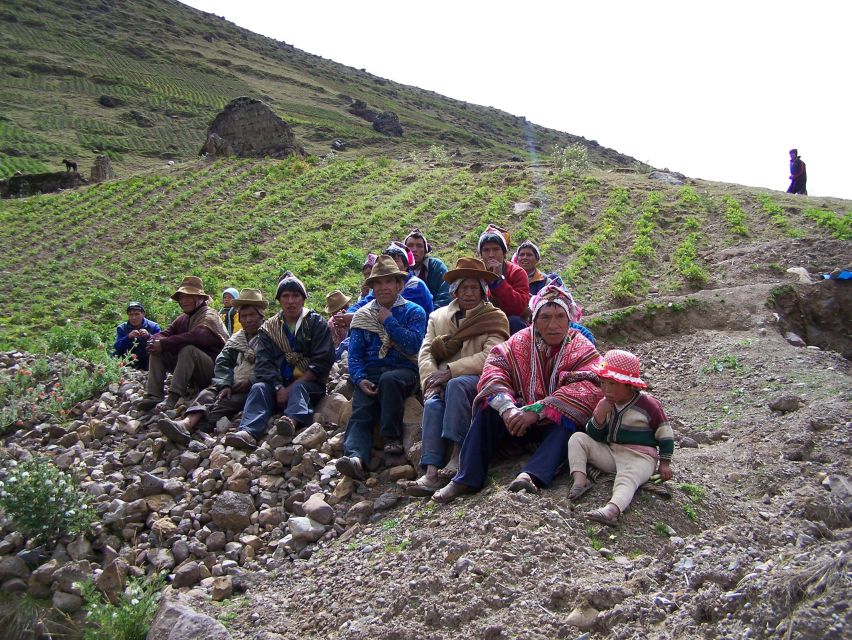
Visitors enjoy the vibrant culture of the local peasant communities, experiencing firsthand the significance of native potato varieties. This connection deepens their understanding of agricultural traditions and the cooperative efforts to sustain these practices.
The park also highlights the importance of cultural identity, as local artisans and chefs showcase their culinary skills rooted in ancestral knowledge.
Environmental Impact
Potato Park plays a crucial role in promoting environmental sustainability by showcasing innovative practices in biodiversity conservation and climate change adaptation among local communities.
The park emphasizes the importance of preserving native potato varieties, which are vital for maintaining genetic diversity and resilience in agriculture. Local farmers employ traditional farming techniques that minimize chemical use, fostering healthier ecosystems.
Plus, educational programs raise awareness about climate change impacts and encourage sustainable practices. By integrating cultural heritage with environmental stewardship, Potato Park not only protects its unique biodiversity but also empowers communities to adapt to changing environmental conditions.
This holistic approach ensures a sustainable future, benefiting both the ecosystem and the livelihoods of local residents.
More Great Tours NearbyParticipant Essentials
Participants should come prepared with essential items to ensure a comfortable and enjoyable experience during their visit to Potato Park.
It’s crucial to pack a valid passport or ID for identification. Comfortable shoes are a must, as you will explore varied terrain, while sunglasses and a sun hat will protect them from the sun.
A camera will help capture the stunning landscapes and unique cultural moments. Sunscreen is essential to shield against UV rays, and wearing comfortable clothes will enhance mobility throughout the day.
Lastly, bringing cash is advisable for any additional purchases.
Participants should avoid bringing weapons, sharp objects, alcohol, or drugs to maintain a safe environment for everyone involved in this enriching experience.
- Cusco: Humantay Lake With Breakfast and Buffet Lunch
★ 4.9 · 2,976 reviews - From Cusco: Full-Day Group Tour of Machu Picchu
★ 4.7 · 1,767 reviews - From Cusco: Moray and Salt Mines Quad Bike Tour
★ 4.6 · 1,263 reviews - From Cusco: Sacred Valley Tour With Pisac and Ollantaytambo
★ 4.6 · 932 reviews - Machu Picchu: Full-Day Tour From Cusco With Optional Lunch
★ 4.6 · 927 reviews - 5-Day Premium Salkantay Trek
★ 5.0 · 788 reviews
Additional Services
Along With the participant essentials, the Potato Park experience includes several valuable services that enhance the overall visit. These services make the journey more enjoyable and stress-free, allowing guests to fully enjoy the unique cultural and natural environment.
-
Hotel Pickup: Convenient transportation from local accommodations ensures a seamless start to the adventure.
-
Meals Provided: Participants savor a typical lunch and snacks featuring native ingredients, enriched by the local culinary tradition.
-
Cultural Interpretation: Guided insights into the significance of the native potato varieties deepen understanding of the region’s heritage.
-
Flexible Scheduling: Guests can check availability for starting times, making it easier to plan their visit around other activities.
These additional services significantly enhance the Potato Park experience.
Booking Information
Booking for the Potato Park experience requires at least one day in advance, ensuring guests have ample time to prepare for their adventure.
Reservations can be made online, allowing participants to select their preferred date and number of attendees. It’s essential to provide a WhatsApp number and hotel name for convenient communication and pickup arrangements.
The experience, which lasts about six hours, starts at Kč2,504 per person, with flexible payment options available. Guests can cancel up to 24 hours in advance for a full refund, making it easy to adjust plans if needed.
This thoughtful approach to booking enhances the overall experience, inviting travelers to immerse themselves fully in the unique offerings of the Potato Park.
Travel Tips
Travelers heading to the Potato Park should keep a few helpful tips in mind to ensure a smooth and enjoyable experience. Being prepared can make all the difference in fully appreciating the rich culture and stunning environment.
-
Pack Essentials: Bring your passport or ID, comfortable shoes, sunglasses, a sun hat, and sunscreen to stay protected and comfortable.
-
Stay Hydrated: Carry a reusable water bottle to stay refreshed throughout the day.
-
Plan Ahead: Book at least one day in advance and provide your WhatsApp number for easy communication.
-
Respect Local Customs: Familiarize yourself with local traditions and practices to enhance your experience and show appreciation for the culture.
Following these tips can help travelers enjoy the unique charm of the Potato Park.
Frequently Asked Questions
What Is the Best Time of Year to Visit Potato Park?
The best time to visit Potato Park is during the dry season, from May to September. Visitors enjoy pleasant weather, vibrant landscapes, and engaging cultural experiences, making their trip more memorable and enjoyable.
Are There Any Age Restrictions for Participants?
There aren’t any specific age restrictions for participants. Families with children often enjoy the experience, but adults should supervise younger ones during activities. Everyone’s welcome to explore and appreciate the cultural and ecological richness together.
Can Dietary Restrictions Be Accommodated During Lunch?
The organizers understand dietary restrictions and can accommodate various needs during lunch. Participants should inform them in advance, ensuring everyone enjoys a delightful meal tailored to their preferences while experiencing the local culinary culture.
Is Transportation Provided From Locations Outside Cusco?
The tour doesn’t include transportation from locations outside Cusco. Participants need to arrange their own travel to the designated pickup point. Once there, the service provides convenient transportation to and from the Potato Park experience.
Are There Opportunities for Volunteer Work in the Community?
She wondered about volunteer opportunities in the community. Local organizations often offer programs, allowing visitors to engage in cultural exchange, conservation efforts, and community projects, fostering meaningful connections and deeper understanding of the area’s rich heritage.
Rural Community Tourism in the Potato Park – Sacred Valley
Recap
Rural community tourism in the Potato Park not only enriches visitors’ experiences but also plays a crucial role in preserving indigenous culture and biodiversity.
By engaging with local traditions and sustainable practices, travelers leave with a deeper appreciation for the Sacred Valley’s heritage.
This model fosters environmental stewardship and strengthens community ties, making each visit an opportunity to support and celebrate the rich agricultural legacy of the region.
It’s a journey that benefits both travelers and the local community alike.
You can check availability for your dates here:


