In the eternal city of Rome, the interplay between faith and power has long been a complex and captivating narrative. While the Catholic Church canonized its saints as paragons of virtue, it simultaneously wielded the Inquisition to ruthlessly persecute those deemed heretical threats to its orthodoxy. This duality of the sacred and the profane speaks volumes about the tensions that have historically shaped belief and authority in this hallowed land. Unraveling the stories of saints, heretics, and the Inquisition offers a glimpse into a tumultuous era where spiritual ideals and harsh realities collided with dramatic and far-reaching consequences.
Good To Know
- The Catholic Church’s Inquisition enforced orthodoxy, targeting heretics like Giordano Bruno who was burned at the stake in Rome’s Campo de’ Fiori.
- The lavish lifestyles of high-ranking clergy members contrasted with the Church’s emphasis on piety, revealing a disconnect between spiritual ideals and secular realities.
- Baroque architecture, such as the Barberini Chapel, showcased the wealth and influence of the papacy during a period of religious turmoil and dissent.
- Borromini’s final resting place, the San Giovanni dei Fiorentini, serves as a reminder of the personal struggles and tragic end to the career of a brilliant Baroque architect.
- Rome’s historical sites, like Campo de’ Fiori, provide opportunities to explore the complex narratives surrounding the Inquisition and the Church’s role in enforcing religious orthodoxy.
Papal States and Piety
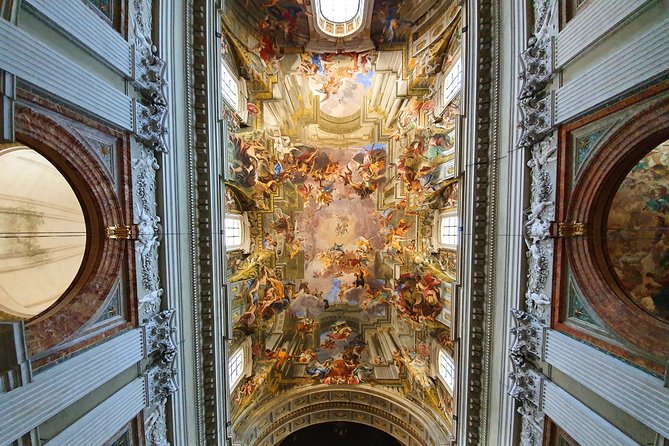
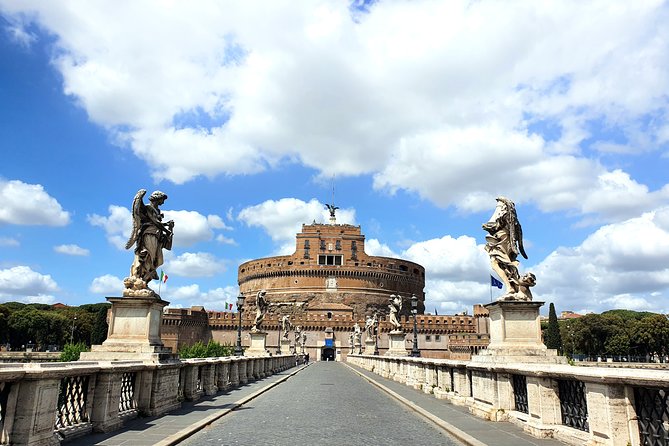
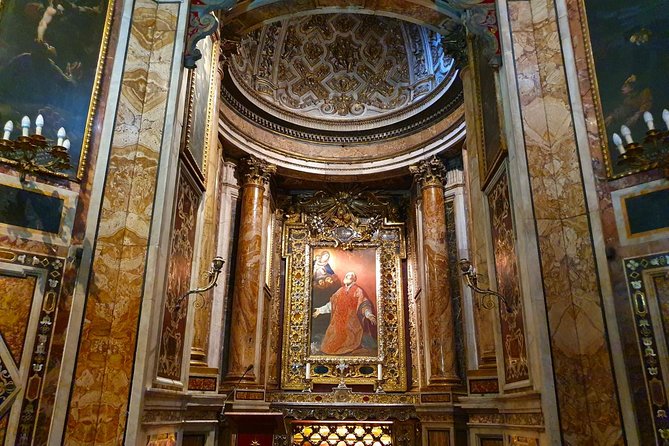
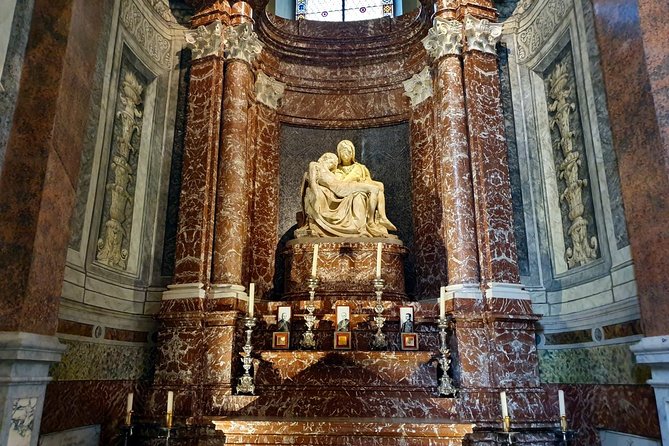
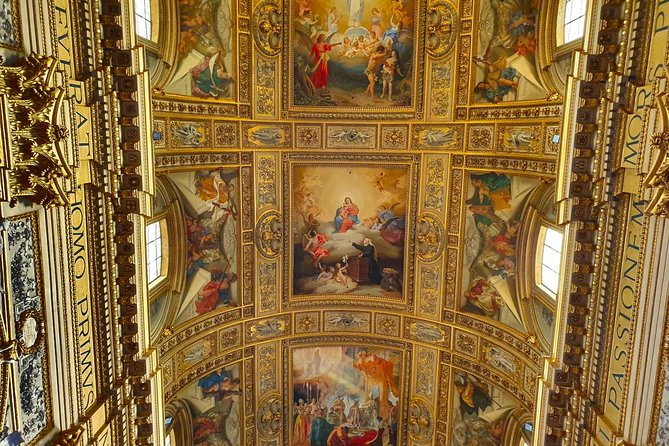
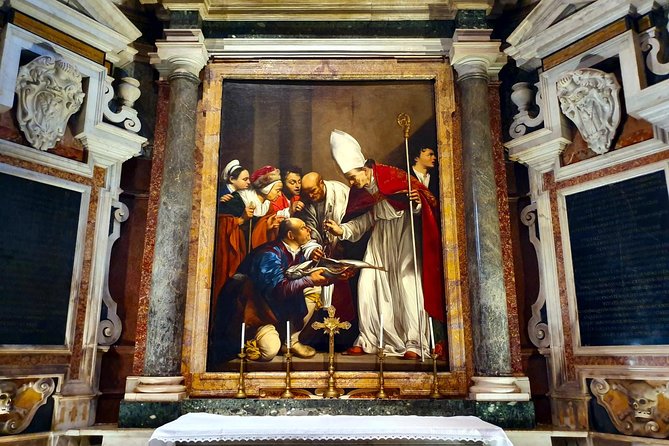
During the Papal States era, a stark contrast existed between the piety espoused by the Church and the secular realities of life within the Papal dominion.
The rulers of the Papal States wielded immense political power, often prioritizing their own interests over the spiritual needs of the populace. This disconnect between sacred and profane was visible in the lavish lifestyles of high-ranking clergy, as well as the Church’s willingness to engage in worldly affairs like warfare and diplomacy.
Yet, alongside this secular realm, an unwavering commitment to Catholic orthodoxy prevailed, enforced by the dreaded Inquisition which sought to root out any hint of heresy or dissent.
You can also read our reviews of more tours and experiences in Rome.
Borromini’s Final Resting Place
Nestled along the banks of the Tiber River, the church of San Giovanni dei Fiorentini stands as the final resting place of the acclaimed architect Francesco Borromini.
Borromini’s life was marked by both professional triumph and personal struggle, culminating in his tragic death. Yet, his brilliance lives on in the stunning Baroque architecture that graces Rome’s cityscape.
Visitors to San Giovanni dei Fiorentini can pay their respects at Borromini’s tomb, which bears witness to the enduring legacy of this remarkable figure.
Here, amid the grandeur of Rome’s religious heritage, Borromini’s story serves as a poignant reminder of the triumphs and trials that have shaped the city’s history.
Campo De’ Fiori’s Grim History
Campo de’ Fiori stands as a somber reminder of Rome’s turbulent past under papal rule. This picturesque square once bore witness to the execution of heretics, dissidents, and those deemed a threat to the Church’s authority.
In 1600, the philosopher Giordano Bruno was burned at the stake on this very spot for his unorthodox views. Today, a statue of Bruno stands tall, a defiant symbol against the oppression of the Inquisition.
Visitors to the square can still feel the weight of history, as they stroll past the lively market and cafes that now occupy the space where so many met their tragic end.
The Campo de’ Fiori serves as a sobering reminder of the price paid for challenging the power of the Papal States.
Barberini Chapel’s Artistic Grandeur
Just a short distance from the grim history of Campo de’ Fiori, the Barberini Chapel inside Sant’Andrea Della Valle church stands as a dazzling artistic triumph.
Commissioned by the powerful Barberini family, the chapel’s interior is a breathtaking display of Baroque opulence. Ornate frescoes by renowned artist Pietro da Cortona adorn the ceilings, depicting scenes from the life of the Virgin Mary.
Gilded stucco decorations and intricate marble flooring further enhance the chapel’s grandeur. Visitors are struck by the sheer scale and lavishness of this private family chapel, a testament to the wealth and influence wielded by the papacy during the Baroque era.
It’s a dramatic contrast to the nearby execution site, underscoring the complex relationship between piety and power in Papal Rome.
Exploring Rome’s Inquisition Legacies
The Inquisition is a dark chapter in Rome’s history, one that casts a long shadow over the city’s religious and political landscapes.
Visitors can explore the legacies of this infamous institution at sites like Campo de’ Fiori, where heretics were publicly executed during the papal rule.
The tour also delves into the contrasts between piety and secular life in the Papal States era, revealing how the Inquisition wielded power and influence.
Through engaging storytelling, the guide sheds light on this complex and troubling aspect of Rome’s past, providing a thought-provoking glimpse into the city’s hidden histories.
- Vatican Museums & Sistine Chapel Tour With Optional Basilica
★ 4.3 · 67,413 reviews - Rome: Colosseum, Palatine Hill and Roman Forum Guided Tour
★ 4.8 · 32,814 reviews - Rome: Guided Tour of Colosseum, Roman Forum & Palatine Hill
★ 4.7 · 27,897 reviews - Rome: Colosseum & Forum With Audio Guide App -Optional Arena
★ 4.2 · 24,770 reviews - Rome: City Sightseeing Hop-On Hop-Off Bus With Audioguide
★ 4.0 · 16,045 reviews - Rome: Hop-On Hop-Off Panoramic Open Bus Ticket
★ 4.0 · 15,405 reviews
Discovering Hidden Historical Narratives
Beyond the grim tales of the Inquisition, Rome’s sacred spaces hold remarkable stories waiting to be uncovered.
In the shadows of grand basilicas, one can discover the hidden narratives that shape the city’s rich history. Take the Barberini chapel within Sant’Andrea della Valle, for instance. Its breathtaking frescoes and sculptures offer a glimpse into the artistic patronage of the powerful Barberini family.
Or visit the Campo de’ Fiori, a public square that served as a site of execution during the papal rule. These lesser-known histories provide a deeper understanding of Rome’s tumultuous past, inviting visitors to unravel the layers of complexity that lie beneath the surface.
Tour Logistics and Accessibility
Navigating the tour’s logistics is a straightforward process. The meeting point is conveniently located at St. Angelo Bridge, with easy access to public transportation. Clear directions are provided, allowing participants to arrive on time for the 9:00 am start.
The tour concludes back at the starting point, ensuring a seamless experience. Travelers should note that the tour isn’t wheelchair accessible, as it follows a walking format.
A dress code of covering shoulders, back, and knees is required for entry into churches. Group sizes are limited to a maximum of 5 travelers, ensuring an intimate and personalized experience.
Cancellation policies are flexible, with full refunds available up to 24 hours in advance, offering peace of mind for potential changes in plans.
Flexible Cancellation and Refund Policy
Ensuring a hassle-free experience, the tour’s cancellation policy provides customers with a flexible and convenient refund option.
Travelers can receive a full refund if they cancel up to 24 hours in advance, offering peace of mind should plans change.
The clear guidelines make the cancellation process straightforward, and the provider encourages flexibility to accommodate potential shifts in scheduling.
This customer-centric approach demonstrates a commitment to prioritizing the needs of participants.
Whether seeking a refund or modifying arrangements, the tour’s cancellation policy supports a seamless and enjoyable experience from start to finish.
Saints, Heretics and the Inquisition
The Sum Up
The complex interplay between faith and power in Rome is vividly illustrated by the histories of saints, heretics, and the Inquisition. While the Church elevated some as paragons of virtue, it ruthlessly persecuted those deemed threats to orthodoxy. This duality reflects the tension between spiritual ideals and the harsh realities of maintaining control, offering insight into a tumultuous era marked by the clash of belief and authority.