
The "Slavery and City of London Walking Tour" offers a unique opportunity to explore the intricate history of London’s development, shaped by the profound impact of enslaved communities. Through this 5.0-star rated experience, participants can uncover hidden narratives that intertwine themes of wealth, culture, and legacy. Guiding visitors along significant landmarks, the tour promises an intimate encounter with the past, shedding light on the complex realities that have long been overshadowed. Whether a seasoned local or a curious traveler, this walking tour presents a compelling chance to delve deeper into the city’s uncharted stories.
Key Points



-
The walking tour explores the influence of enslaved communities on London’s economic and cultural development, visiting landmarks like the Bank of England Museum.
-
The tour uncovers lesser-known aspects of London’s history, highlighting the contributions and legacy of enslaved individuals in shaping the city.
-
Participants can expect an eye-opening exploration of London’s complex heritage, gaining a deeper understanding of how the slave trade impacted the urban landscape.
-
The tour provides insights into the economic, architectural, and cultural impact of the slave trade, challenging visitors to view the city from a fresh perspective.
-
The tour is stroller-friendly, with a maximum group size of 35 for a personalized experience, but is not wheelchair accessible.
Tour Overview
The Slavery and City of London Walking Tour offers an insightful exploration into London’s complex history of enslaved communities.
With a 5.0-star rating from 9 reviews, this tour provides a unique opportunity to dive into the city’s past. Covering a range of landmarks, from the Roman wall of Londonium to the Bank of England Museum, the tour highlights the impact of enslaved people on London’s development.
Accommodating up to 35 travelers, the tour starts at Tower Hill Tram and ends at Aldgate Station, running daily at 12:00 pm.
While not wheelchair accessible, the tour is stroller-friendly and located near public transportation, making it accessible to most participants.
You can also read our reviews of more walking tours in London


Highlights of the Tour
The tour’s highlights encompass a captivating exploration of the impact enslaved communities had on London’s history.
Participants will visit landmarks like the Roman wall of Londonium, St. Paul’s Cathedral, and the Bank of England Museum, uncovering hidden sights often missed by casual travelers.
The tour delves into the profound influence of enslaved populations on the city’s development, providing a thought-provoking perspective on London’s past.
Along the way, travelers can expect to discover little-known aspects of the city’s history, gaining a deeper understanding of how enslaved individuals shaped the very fabric of the metropolis.
The tour promises an enriching and eye-opening experience for all who embark on this exploration of London’s complex heritage.
Exploring the Impact of Enslaved Communities
Enslaved communities had a profound and lasting impact on London’s development, shaping the city’s economy, architecture, and social fabric. Their labor and expertise contributed to the rise of industries like sugar refining, textiles, and shipping, which fueled London’s growth into a global commercial hub.
Plus, the wealth generated from the slave trade influenced the construction of numerous landmarks, including the Bank of England and the Royal Exchange.
Beyond the economic sphere, enslaved individuals also left their mark on London’s cultural landscape, through their culinary traditions, religious practices, and artistic expressions.
The legacy of these communities continues to be felt in the city today, as London grapples with its complex history and works to recognize its diverse past.
Key impacts of enslaved communities on London:
- Contributed to the rise of major industries and the city’s economic growth.
- Influenced the construction of iconic landmarks and buildings.
- Left a lasting cultural imprint on the city’s social fabric.
Landmarks Visited During the Tour
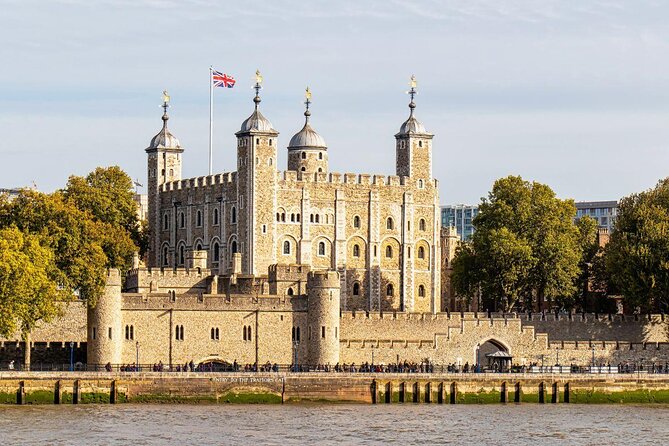
The tour’s highlights include a visit to the Roman wall of Londonium, a remnant of the city’s ancient foundations.
Participants will also explore the historic St. Paul’s Cathedral, a magnificent example of English Baroque architecture.
Plus, the tour visits the Bank of England Museum, which provides insights into the city’s financial history and its ties to the slave trade.
These landmarks offer a window into London’s complex past, shedding light on the impact of enslaved communities on the city’s development.
Throughout the tour, travelers discover hidden sights and stories often missed by casual visitors, gaining a deeper understanding of this multifaceted urban landscape.
Hidden Sights Along the Way
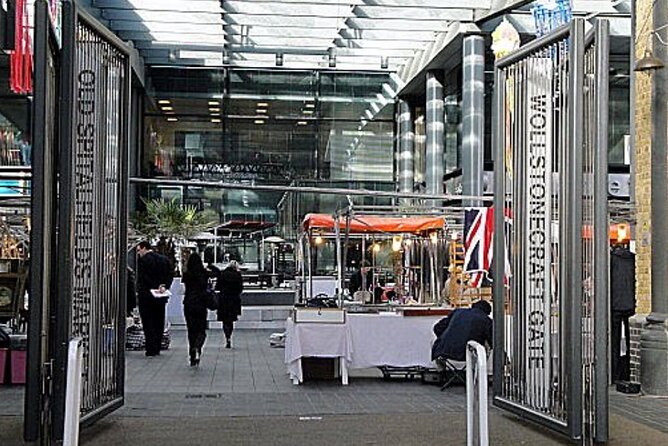
Amidst the grand landmarks and well-trodden paths, the Slavery and City of London Walking Tour unveils a tapestry of hidden sights that often escape the notice of casual visitors.
These lesser-known gems provide a deeper understanding of London’s complex history and the role of enslaved communities in shaping the city.
The tour may highlight:
- Inconspicuous plaques and memorials that commemorate the lives of those impacted by the slave trade.
- Architectural details that hint at the wealth generated through colonial exploitation.
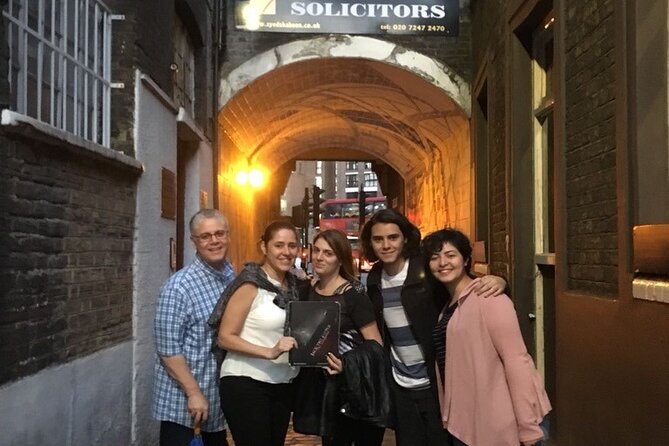
- Quiet alleyways and backstreets that offer a glimpse into the everyday lives of marginalized communities.
These hidden sights add layers of nuance and complexity to the tour, challenging visitors to see London through a fresh lens.
You can also read our reviews of more city tours in London
- London: City Sightseeing Hop-On Hop-Off Bus Tour
★ 4.4 · 6,579 reviews - London: Go City Explorer Pass® – Tickets for 2-7 Attractions
★ 4.3 · 1,111 reviews - Private Windsor Castle, Stonehenge, The City of Bath Day Tour
★ 5.0 · 468 reviews - London: Speedboat Tour Through Heart of the City
★ 5.0 · 387 reviews - London: Upside Down House Westfield White City Entry Ticket
★ 4.0 · 338 reviews - Walking Tours – Key Sights of City of London- Contact Me Re Dates
★ 5.0 · 221 reviews
Tour Logistics and Details
The Slavery and City of London Walking Tour conveniently departs from Tower Hill Tram, Trinity Square, providing a centralized meeting point for participants.
The tour ends at Aldgate Station, Aldgate High St, ensuring a seamless transition for travelers.
With a maximum group size of 35, the tour offers an intimate experience, allowing for personalized attention.
While the tour isn’t wheelchair accessible, it’s stroller-friendly and located near public transportation, making it accessible to most travelers.
Booking is flexible, with the option to reserve now and pay later, and free cancellation up to 24 hours before the experience starts.
Accessibility and Participation
While the Slavery and City of London Walking Tour may not be wheelchair-accessible, it remains stroller-friendly and conveniently located near public transportation, making it accessible to most travelers.
The tour highlights several key aspects of accessibility:
- Stroller access allows families with young children to participate.
- The proximity to public transportation, such as Aldgate Station, enables easy access for visitors.
- Most travelers can comfortably join the tour, which has a maximum group size of 35 participants.
Booking Information
Travelers can book the Slavery and City of London Walking Tour from $26.28. The tour offers free cancellation up to 24 hours before the experience starts, and travelers receive confirmation at the time of booking.
For added convenience, a Reserve Now and Pay Later option is available. The walking tour explores the impact of enslaved communities on London’s history, visiting landmarks like the Roman wall of Londonium, St. Paul’s Cathedral, and the Bank of England Museum.
With a maximum group size of 35 travelers, the tour is located near public transportation and accessible to most participants, though it’s not wheelchair accessible.
Frequently Asked Questions
Is the Tour Guide Knowledgeable About the History of Slavery in London?
According to the information provided, the tour guide appears knowledgeable about the impact of enslaved communities on London’s history. The tour explores this aspect of the city’s past in detail, offering insights often missed by travelers.
Can Participants Ask Questions During the Tour?
Participants on the tour can typically ask questions throughout the experience. The knowledgeable guides are happy to provide additional details and insights to enhance the participants’ understanding of the historical information presented during the walking tour.
Are There Any Discounts or Special Offers Available for the Tour?
The tour operator offers free cancellation up to 24 hours before the experience starts. They also provide a Reserve Now and Pay Later option, but don’t advertise any additional discounts or special offers for this particular tour.
How Long Does the Walking Tour Typically Last?
The walking tour typically lasts around 2 to 2.5 hours, covering various landmarks and historical sites related to London’s past and the impact of enslaved communities on the city’s history.
Are There Any Restrictions on the Types of Photography Allowed During the Tour?
The tour allows participants to take photographs during the walk, though they may be asked to refrain from using flash or capturing images of certain locations for privacy reasons. Visitors should follow any guidance provided by the tour guide.
Slavery and City of London Walking Tour
Sum Up
This walking tour offers a unique and insightful exploration of London’s historical connection to the transatlantic slave trade. Participants can expect to uncover the lesser-known stories and legacies that shaped the city’s development, visiting key landmarks and discovering hidden sights along the way. With a focus on the profound impact of enslaved communities, this tour provides a thought-provoking and immersive experience for those interested in uncovering London’s complex past.


