He’s noticed that many people enjoy sparkling wines but often don’t realize the fascinating differences between them. From the crisp Prosecco to the luxurious Franciacorta, each type offers something distinct, thanks to varying production methods and regional influences. The traditional method adds layers of complexity, while pet-nat captures a more spontaneous vibe. As he uncorks the secrets behind these bubbly delights, it raises an intriguing question: what’s really shaping your favorite sip?
Key Points
- Sparkling wines vary greatly in style and flavor, with Prosecco being light and fruity while Champagne offers richer complexities.
- Different production methods, such as the traditional method and Charmat method, significantly influence the wine’s character and taste.
- Terroir factors, including soil and climate, play a crucial role in shaping the unique qualities of each sparkling wine.
- Each Italian region produces distinct sparkling wines, with Veneto known for Prosecco and Franciacorta celebrated for its elegance and complexity.
- Pairing sparkling wines with food enhances flavors, with Prosecco complementing seafood and Asti beautifully matching fruit desserts.
Understanding Sparkling Wine
When it comes to sparkling wine, most people think of the bubbly stuff they pop open for celebrations, but there’s so much more to it than just the fizz.
Sparkling wine comes in various styles, each with unique flavors and production methods. For instance, Prosecco’s light and fruity notes contrast with the rich complexities of traditional method sparkling wines like Champagne.
Then there’s pet-nat, which captures a rustic charm, offering delightful surprises with every sip. Understanding these differences can elevate any tasting experience.
Plus, exploring the diverse regions producing these wines, from Italy to France, adds even more excitement.
You can also read our reviews of more tours and experiences in Milan.


Key Italian Regions
Italy boasts several key regions renowned for their sparkling wines, each offering unique flavors and production techniques that reflect their local heritage and climate.
Veneto is famous for Prosecco, a crowd-pleaser that’s light and fruity.
Lombardy, on the other hand, showcases the elegant Franciacorta, known for its rich complexity.
In Piedmont, Asti shines with its sweet, bubbly charm, while Trentino’s Trentodoc impresses with traditional methods and depth.
Emilia-Romagna serves up Lambrusco, a lively and versatile sparkling option.
Together, these regions highlight Italy’s diverse approach to sparkling wines, blending tradition with innovation.
Whether you’re a novice or a connoisseur, exploring these regions is a delightful journey through Italy’s bubbly landscape!
Types of Sparkling Wines
Exploring the rich tapestry of Italian sparkling wines reveals a variety of types, each with its own unique characteristics and production methods that make them stand out.
Prosecco, hailing from the Veneto region, is known for its light, fruity profile and refreshing bubbles.
Then there’s Franciacorta from Lombardy, a sophisticated sparkling wine crafted using the traditional method, boasting complex flavors.
In Piedmont, Asti shines with its sweet, aromatic charm, while Trentodoc from Trentino showcases a crisp elegance.
Lambrusco from Emilia-Romagna offers a playful, slightly fizzy experience.
Each type reflects its local terroir and winemaking traditions, making Italian sparkling wines a delightful adventure for any enthusiast.
Tasting Experience Details
The tasting experience immerses participants in the world of Italian sparkling wines, guided by a knowledgeable sommelier who shares insights on each distinctive pour.
Over two hours, attendees sip three unique wines, including a pet-nat, a sparkling wine made with the Martinotti method, and one crafted using the classical method. Each pour opens a window into Italy’s rich wine regions, like Veneto and Lombardy, while the sommelier clarifies terms like dosage and perlage.
The cozy setting, complete with complimentary water and grissini, enhances the experience, making it both enjoyable and educational.
Whether you’re a novice or a connoisseur, this tasting adventure promises to deepen your appreciation for Italy’s sparkling treasures.
More Great Tours NearbyProduction Methods Explained
Delving into the production methods of sparkling wines reveals how techniques like the traditional method and Charmat influence both quality and price.
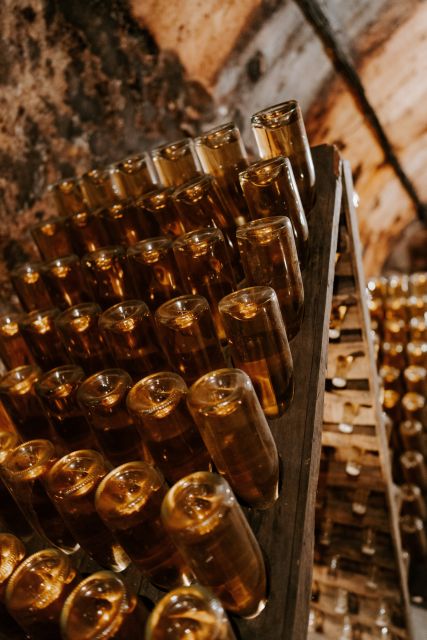
The traditional method, often used for high-end sparkling wines, involves a secondary fermentation in the bottle, creating complex flavors and fine bubbles. This meticulous process can drive up the price but delivers rich, layered profiles.
On the other hand, the Charmat method, which ferments the wine in large tanks, is quicker and generally cheaper, producing fresher and fruitier wines like Prosecco.
Then there’s pétillant-naturel (pet-nat), a natural, less conventional style that captures the essence of the grape with a touch of funk.
Each method tells a story, shaping the character of the bubbly in your glass.
- Milan: Guided Walking Tour & Last Supper Visit With Ticket
★ 4.7 · 5,409 reviews - Duomo Terraces Fast-Track Ticket & Optional Duomo Entry
★ 4.5 · 4,870 reviews - Milan: Navigli Canal Boat Cruise
★ 3.3 · 4,502 reviews - Milan: City Center & Last Supper Walking Tour
★ 4.6 · 4,451 reviews - Milan: Serravalle Designer Outlet Roundtrip Bus Transfer
★ 4.4 · 4,374 reviews - Milan: Navigli District Canal Boat Tour With Aperitivo
★ 3.6 · 3,253 reviews
Educational Insights
Understanding the nuances of sparkling wine can elevate a tasting experience, revealing the intricate flavors and stories behind each bubbly pour.
Participants in a guided tasting led by a knowledgeable sommelier gain insights into Italian sparkling wines, from Prosecco to Spumante. They explore the different regions, learning how local traditions shape the unique qualities of each wine.
The tasting includes three types of sparkling wines, allowing guests to experience various production methods, like the traditional method and Pet-nat.
Educational components clarify terms like dosage and perlage, making it easier to appreciate the artistry behind each bottle.
With engaging discussions, participants leave with a richer understanding and newfound enthusiasm for sparkling wines, ready to impress friends at their next gathering.
Importance of Terroir
Exploring the world of sparkling wine wouldn’t be complete without recognizing the role of terroir, which gives each bottle its distinct character and flavor profile. Terroir encompasses everything from the soil and climate to the local winemaking traditions, influencing how grapes develop and ultimately how the wine tastes.
Soil Type: Different soils impart unique mineral qualities.
Climate: Temperature and rainfall shape grape ripeness.
Elevation: Higher altitudes can enhance acidity and freshness.
Tradition: Local winemaking techniques add cultural flavor.
Biodiversity: Nearby flora and fauna affect vineyard health.
These elements come together to create a sparkling wine that’s not just a drink but a reflection of its origin.
Pairing Sparkling Wines
Pairing sparkling wines with food is a delightful adventure, as their effervescence and acidity can elevate a wide range of dishes to new heights.
For instance, Prosecco’s lightness complements seafood beautifully, while a rich Franciacorta pairs perfectly with creamy risottos. Those looking for a fun twist should try Lambrusco with hearty meats—its fruity notes are a game-changer.
When it comes to desserts, sparkling wines like Asti shine alongside fruit tarts or chocolate treats. The key is balancing flavors; the wine’s bubbles cleanse the palate and enhance the meal.
Ultimately, experimenting with different combinations can lead to unexpected delights, making every dining experience a unique celebration of flavor and fizz!
Frequently Asked Questions
What Is the Best Food Pairing for Prosecco?
When it comes to Prosecco, it pairs beautifully with light dishes like seafood, salads, or even spicy Asian cuisine. Its crispness complements flavors, making any meal feel a bit more special and refreshing.
How Should I Store Sparkling Wine at Home?
When storing sparkling wine at home, she recommends keeping it upright in a cool, dark place. Avoid temperature fluctuations and sunlight, as they can spoil the wine’s flavors and bubbles. A wine fridge works wonders!
Can I Find Non-Alcoholic Sparkling Alternatives?
She’s curious about non-alcoholic sparkling alternatives. Luckily, many brands offer delightful options like sparkling juices and flavored sparkling waters, perfect for enjoying that bubbly experience without the alcohol. They’re refreshing and fun for all occasions!
What Glassware Is Ideal for Serving Sparkling Wine?
When it comes to sparkling wine, narrow glasses like flutes or tulips work best. They keep bubbles lively while showcasing aromas. Plus, they add a touch of elegance to any celebration!
How Does Climate Affect Sparkling Wine Production?
Climate plays a huge role in sparkling wine production. Warmer regions often yield sweeter grapes, while cooler areas produce crisp acidity. This balance affects flavor profiles and ultimately shapes the unique characteristics of each sparkling wine.
The SECRETS of Bubbles: Do You Know the Differences?
Recap
In the world of sparkling wines, there’s so much to explore beyond the bubbles. Each region and production method brings its own flair, making every sip a new adventure.
Whether you’re popping open a crisp Prosecco or savoring a complex Franciacorta, understanding these differences adds layers to your tasting experience.
So, next time you raise a glass, remember the artistry behind it and enjoy the delightful journey that each bottle offers! Cheers to discovering the secrets of bubbles!
You can check availability for your dates here: