When it comes to traditional Czech cuisine, nothing beats the warmth of Grandma’s recipes that have been passed down through generations. From the savory notes of svíčková to the hearty embrace of goulash, these dishes aren’t just meals; they’re windows into a culture steeped in history and community. Each recipe highlights the importance of fresh ingredients and time-honored techniques, creating flavors that stir up nostalgia. Curious about which dishes truly capture this essence? You might be surprised at how these classics come together, revealing much more than just culinary secrets.
Key Points



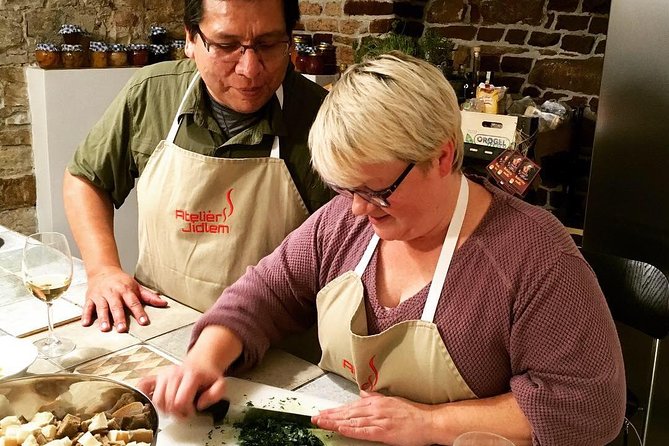

- Emphasize traditional recipes like Svíčková and Goulash that celebrate family heritage and cultural significance.
- Utilize seasonal produce and traditional spices to enhance the authenticity of the dishes.
- Incorporate time-honored cooking techniques such as slow cooking and fermentation for depth of flavor.
- Involve family in the preparation process, especially in making hand-rolled dumplings, to foster connections.
- Focus on quality ingredients to create comforting and nostalgic meals that reflect Grandma’s recipes.
Importance of Traditional Recipes
Traditional recipes aren’t just about food; they connect people to their roots, preserving cultural heritage and family stories that have been passed down through generations.
In Czech households, these cherished dishes bring families together, igniting memories of Sunday dinners and festive celebrations. Each recipe often holds a tale, whether it’s a grandmother’s secret ingredient or a special cooking technique learned over the years.
By cooking these meals, folks not only savor the flavors but also keep their ancestry alive. It’s like passing down a piece of history on a plate!
Embracing traditional recipes fosters a sense of community, reminding everyone that food is more than just sustenance—it’s a celebration of culture, love, and togetherness.
You can also read our reviews of more tours and experiences in Prague.



Classic Czech Soups
Czech soups warm the soul and kick off any meal with a comforting blend of flavors and hearty ingredients. These delicious bowls often feature local produce and traditional spices, showcasing the essence of Czech cuisine.
Some classic favorites include:
-
Svíčková: A creamy vegetable sauce served with meat.
-
Česnečka: A garlicky soup packed with potatoes and herbs.
-
Hovězí vývar: Rich beef broth, perfect for any chilly day.
-
Zelňačka: A tangy cabbage soup that’s both filling and flavorful.
Each spoonful brings a taste of home, reminding everyone of Grandma’s kitchen.
Whether it’s a starter or a warm-up on a cold day, these soups are a must-try in Czech culinary traditions.
Iconic Main Courses
When it comes to iconic main courses, nothing beats savoring a hearty plate of Svickova or a steaming bowl of beef goulash that truly showcases the rich flavors of Czech cuisine.
Svickova features tender beef smothered in a creamy vegetable sauce, making it a favorite at family gatherings.
On the other hand, beef goulash offers a robust, paprika-infused experience that warms the soul, often served with bread dumplings for that perfect bite.
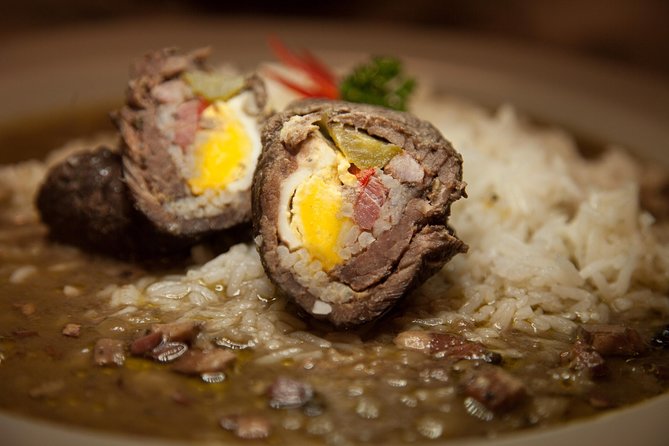
Other beloved dishes include roasted duck, crispy skin and all, and Spanish bird, a delightful stuffed beef roll.
Each dish tells a story, connecting diners to generations of culinary tradition.
It’s all about comfort food that brings people together around the table.
Delicious Czech Desserts
There’s nothing quite like indulging in a warm plate of fruit dumplings, bursting with seasonal fruits and topped with creamy quark, to satisfy any sweet tooth after a hearty Czech meal.
Czech desserts are a delightful mix of flavors and textures, often inspired by grandma’s recipes.
Here are some must-try Czech sweets:
-
Koláče: Flaky pastries filled with fruits or poppy seeds.
-
Trdelník: Sweet, spiral-shaped dough, often coated in sugar and nuts.
-
Perníčky: Spiced gingerbread cookies, perfect for any occasion.
-
Štrůdl: Thin pastry wrapped around fruit, usually apples, baked to perfection.
These treats not only capture the essence of Czech culture but also leave a lasting impression on anyone who tastes them.
Essential Side Dishes
After enjoying those delectable desserts, it’s time to explore the side dishes that make a Czech meal truly complete, with bread dumplings stealing the spotlight as a beloved staple. These fluffy, pillowy dumplings are the perfect accompaniment to hearty main dishes. Alongside them, you’ll find other essential sides that elevate the dining experience.
Here’s a quick look at some must-try Czech side dishes:
| Side Dish | Description |
|---|---|
| Bread Dumplings | Soft and fluffy; ideal for soaking up sauce. |
| Sauerkraut | Tangy fermented cabbage; adds crunch. |
| Potato Salad | Creamy and flavorful; a picnic favorite. |
| Pickled Vegetables | A zesty kick to balance rich flavors. |
| Seasonal Vegetables | Fresh and sautéed, complementing any dish. |
Together, these sides create a delightful Czech feast!
- Prague: 50-Minute Sightseeing Evening Cruise
★ 4.2 · 33,780 reviews - Prague: Medieval Dinner With Unlimited Drinks
★ 4.4 · 19,847 reviews - Prague: Castle Tour With Local Guide and Entry Ticket
★ 4.6 · 10,422 reviews - Prague Castle 2.5-Hour Tour Including Admission Ticket
★ 4.7 · 8,927 reviews - Prague: Old Town, Medieval Underground & Dungeon Tour
★ 4.2 · 8,244 reviews - Prague: Vltava River Night Cruise With Buffet
★ 4.3 · 7,338 reviews
Cooking Techniques Passed Down
Czech cooking techniques, lovingly passed down through generations, bring a unique blend of tradition and flavor to every dish. These methods reflect the heart of Czech cuisine, emphasizing simplicity and quality ingredients.
Some key techniques include:
-
Slow Cooking: This brings out deep flavors, especially in stews and sauces.
-
Fermentation: Used for pickles and breads, enhancing taste and preservation.
-
Roasting: Perfect for meats like duck and pork, creating a crispy texture.
-
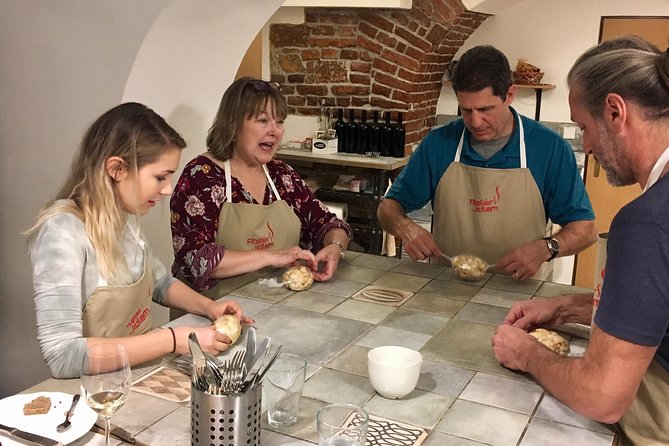
Hand-rolled Dumplings: A family affair, where everyone pitches in to create these beloved staples.
These techniques not only preserve the essence of each recipe but also foster a sense of community, as families gather to share stories and meals, keeping traditions alive.
Cultural Significance of Meals
Meals in Czech culture are more than just food; they serve as a way to connect families and celebrate traditions, reflecting the rich history and values of the community. Sharing dishes like svíčková or goulash often brings everyone together, fostering bonds and creating lasting memories.
Here’s a quick look at some traditional Czech meals and their significance:
| Meal | Significance |
|---|---|
| Svíčková | Celebrates family gatherings |
| Goulash | Represents hearty hospitality |
| Fruit Dumplings | Marks festive occasions |
These meals aren’t just sustenance; they’re a celebration of Czech identity, showcasing the love and care that goes into every recipe handed down through generations.
Tips for Authentic Preparation
When it comes to preparing authentic Czech dishes, using fresh, locally sourced ingredients can make all the difference in flavor and quality. To achieve that home-cooked goodness reminiscent of grandma’s kitchen, there’s a few tips to keep in mind:
Choose seasonal produce: This ensures maximum flavor and freshness.
Use traditional spices: Don’t skimp on caraway seeds or paprika; they’re key to authentic taste.
Stick to time-honored techniques: Simmering slow and steady brings out the best in Czech dishes.
Embrace patience: Many authentic recipes require time, so don’t rush the process.
Frequently Asked Questions
What Are Common Ingredients in Traditional Czech Recipes?
In traditional Czech recipes, folks commonly use ingredients like potatoes, cabbage, pork, and various grains. They love hearty flavors, often adding spices like pepper, caraway, and garlic to create comforting, delicious dishes everyone enjoys.
How Can I Adjust Recipes for Dietary Restrictions?
When adjusting recipes for dietary restrictions, she recommends swapping ingredients, like using gluten-free flour or plant-based proteins. Experimenting with spices can also enhance flavor without sacrificing dietary needs, making meals enjoyable for everyone.
Where Can I Find Authentic Czech Cookbooks?
He can find authentic Czech cookbooks online through sites like Amazon or local bookstores in Prague. Libraries often have great selections too. Exploring second-hand shops might uncover some hidden culinary gems from Czech history!
Are There Regional Variations in Czech Recipes?
Heard there are definitely regional variations in Czech recipes! Each area boasts unique ingredients and cooking methods, reflecting local traditions. It’s fascinating how these differences create such diverse flavors across the beautiful Czech Republic!
How Long Do Traditional Czech Dishes Typically Take to Prepare?
When it comes to traditional Czech dishes, most meals take about one to three hours to prepare. Factors like complexity and ingredients can vary, but with practice, it becomes easier and quicker for everyone involved!
Traditional Authentic Czech Dishes Following Grandma Recipes
Recap
In the end, traditional Czech dishes are more than just food; they’re a celebration of family and heritage.
Each recipe, straight from Grandma’s kitchen, carries a story that connects generations.
By embracing these time-honored techniques and quality ingredients, anyone can recreate that warm, nostalgic feeling in their own home.
So, whether it’s a hearty goulash or a sweet koláč, diving into these authentic meals brings a taste of Czech culture right to your table.