
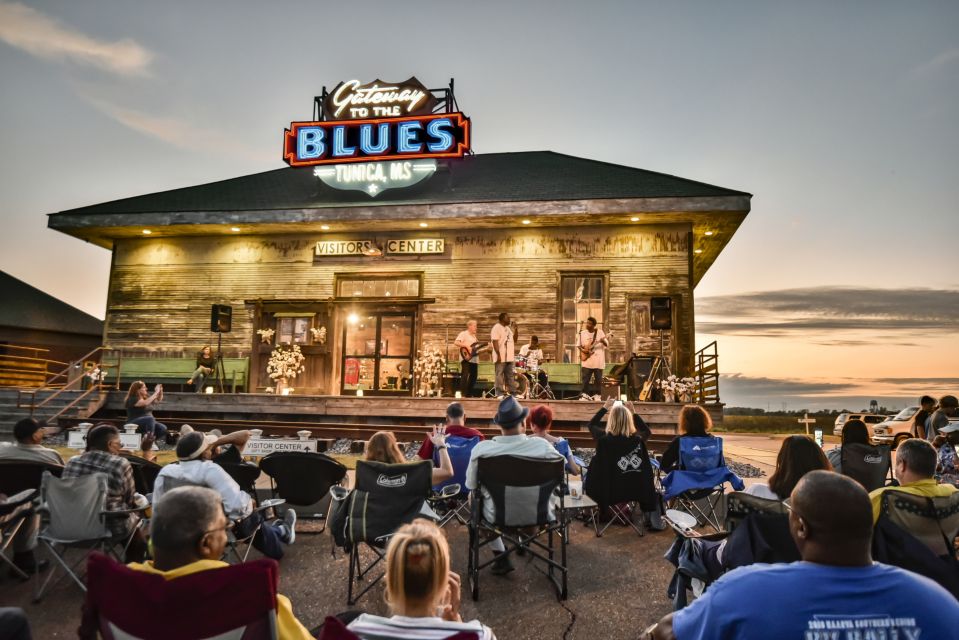
The Tunica: Gateway to the Blues Museum offers visitors an immersive journey through the rich history and evolution of blues music. Nestled in the heart of the Mississippi Delta, this captivating tour guides guests in tracing the genre’s origins, exploring its profound influence on American culture, and even crafting their own original blues compositions. From iconic artifacts like W.C. Handy’s first cornet to interactive exhibits that bring the music to life, the museum presents a multifaceted exploration of the blues that is sure to captivate music enthusiasts and casual visitors alike. As you step into this musical time capsule, prepare to be transported to the very birthplace of the blues.
Key Points

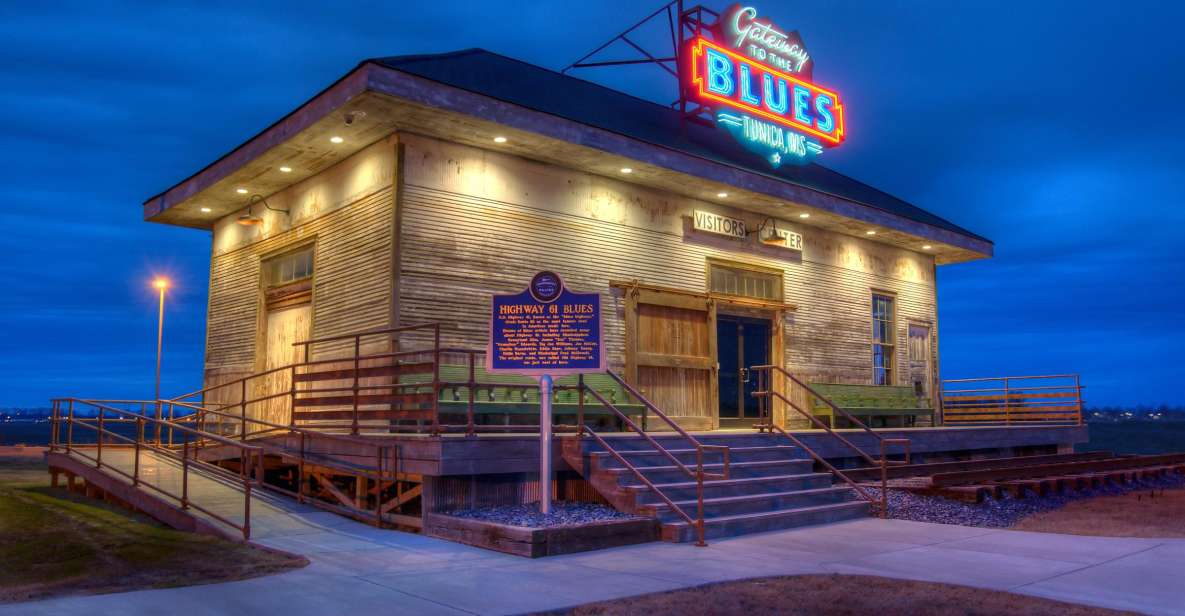
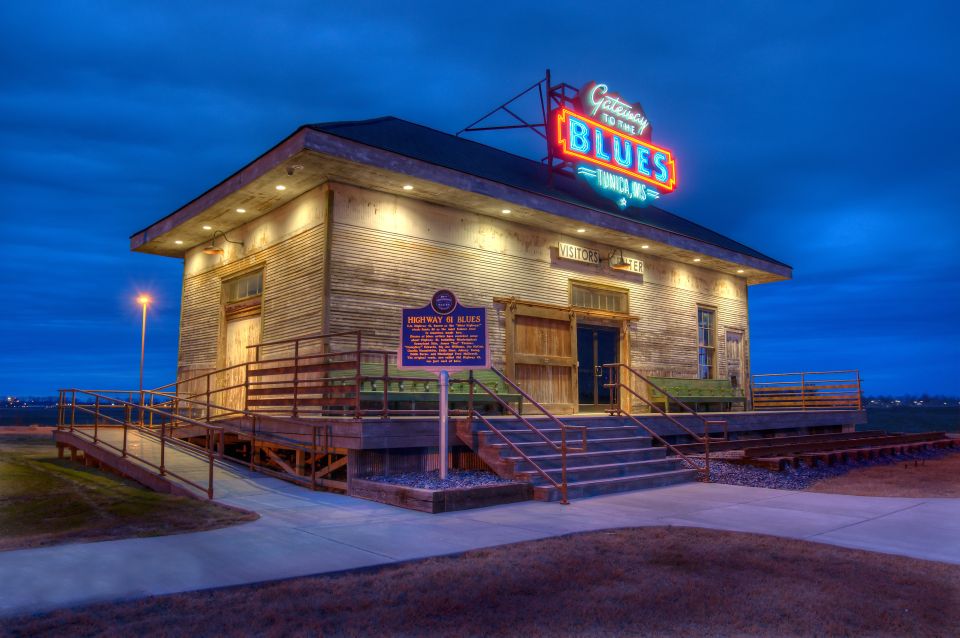
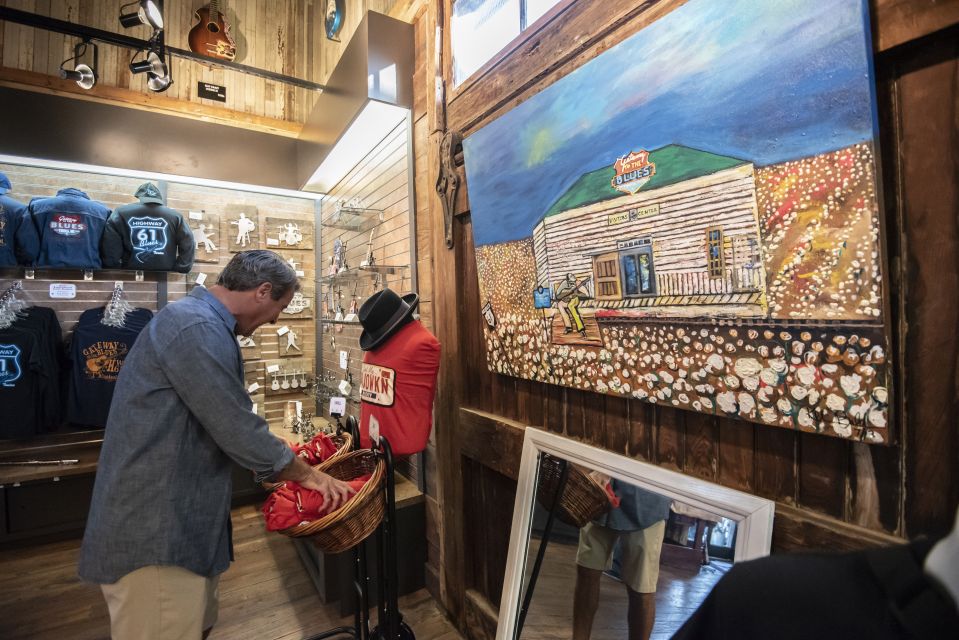
- Comprehensive museum exploring the origins and evolution of blues music, with a focus on the Mississippi Delta’s pivotal role in the genre’s development.
- Impressive collection of artifacts, including W.C. Handy’s first cornet, that provide tangible links to the pioneering artists who shaped the blues.
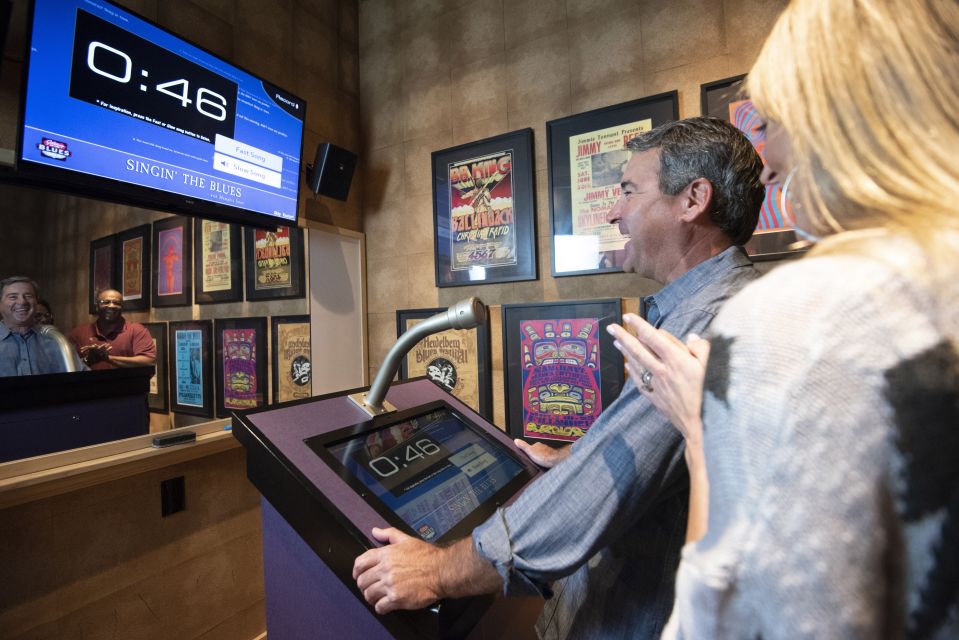
- Opportunity for visitors to enjoy the creative process of blues music by learning composition basics and recording their own original compositions.
- Exhibits highlighting the influence of sheet music and recorded music on the spread and evolution of the blues, leading to its impact on other musical genres.
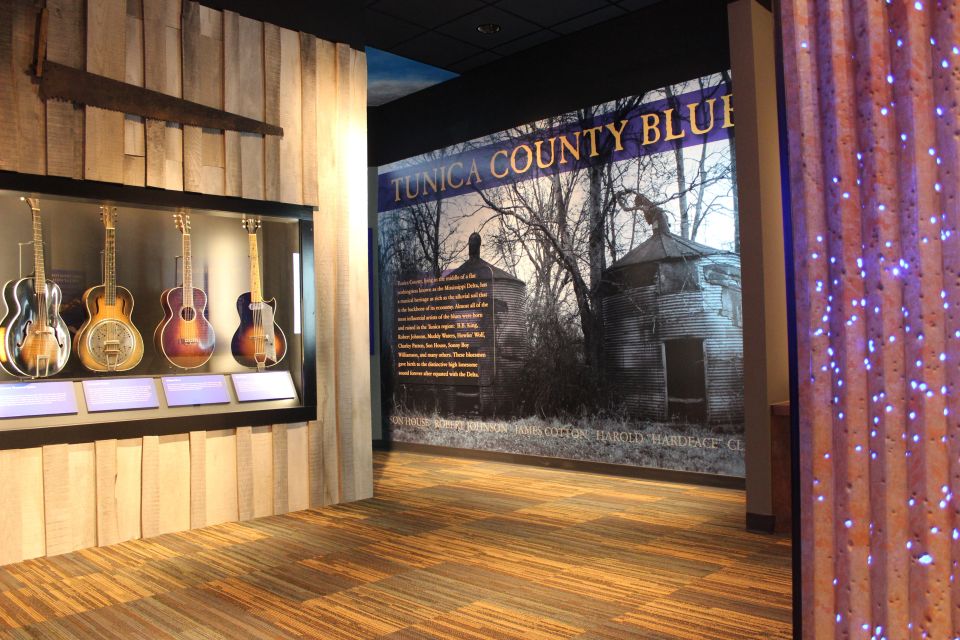
- Extensive guitar collection showcasing instruments played by renowned blues artists, offering a unique window into the lives and legacies of these influential musicians.
Overview of the Tour
The Gateway to the Blues Museum tour provides visitors with the opportunity to explore the origins and rich history of blues music, delving into the Mississippi Delta‘s pivotal role in its development. This immersive experience allows guests to learn about the evolution of the genre, from its humble beginnings to its widespread influence on various musical styles.
The tour highlights the museum’s impressive collection, including W.C. Handy’s first cornet, as well as over 20 guitars used by renowned artists across genres. Visitors can also discover the impact of sheet music and recorded music on the dissemination of blues throughout the world.
The tour culminates in a hands-on opportunity to write and record their own blues song, truly connecting with the essence of this American musical tradition.
Exploring Blues Music Origins
Origins of blues music can be traced back to the late 19th century, emerging from the African-American communities of the Mississippi Delta region. This uniquely American musical genre drew inspiration from a blend of African and European musical traditions, giving rise to its distinctive melancholic sound and lyrical themes.
During the Gateway to the Blues Museum tour, visitors can explore the rich history and evolution of the blues. They’ll learn how the Mississippi Delta, with its rural landscapes and socioeconomic challenges, played a pivotal role in shaping the blues.
From the early field hollers and work songs to the influential recordings of pioneering artists, the museum’s exhibits and interactive displays offer a comprehensive exploration of the blues’ origins and its enduring cultural significance.
Mississippi Delta’s Role
As the birthplace of the blues, the Mississippi Delta‘s rural landscapes and socioeconomic challenges played a pivotal role in shaping the musical genre’s distinct sound and lyrical themes.
The region’s deep poverty, agricultural labor, and racial segregation profoundly influenced the blues, giving voice to the struggles and resilience of the Delta’s African American community.
From the haunting slide guitar and soulful vocals to the raw, emotive lyrics, the blues was forged in the Delta, reflecting the hardships and hopes of those who lived there.
This rich cultural heritage continues to inspire musicians and captivate audiences worldwide, cementing the Mississippi Delta’s enduring legacy as the cradle of the blues.
Handy’s First Cornet
Among the prized artifacts on display at the Gateway to the Blues Museum is W.C. Handy’s first cornet, a treasured relic that symbolizes the musician’s pivotal role in the evolution of blues music.
Known as the ‘Father of the Blues,’ Handy’s innovative use of the cornet helped shape the distinctive sound of the genre.
Visitors can admire this historic instrument up close, marveling at its intricate craftsmanship and the stories it holds.
The cornet serves as a tangible link to the past, a reminder of the pioneering artists who laid the foundations for the rich musical tradition that continues to captivate audiences worldwide.
Encountering Handy’s first cornet is a truly powerful experience for anyone exploring the roots of the blues.
More Great Tours NearbyImpact of Music Media
The advent of sheet music and recorded music played a pivotal role in amplifying the reach and influence of blues music beyond its Delta origins.
The mass-produced sheet music made it easier for blues compositions to be performed and shared, introducing the genre to a wider audience.
The recording industry, in turn, allowed blues artists to capture their sound and distribute it globally, exposing mainstream America to the raw, emotive power of the blues.
This cross-pollination led to the evolution of blues-influenced genres like jazz, R&B, and rock n’ roll.
Key innovations included:
- The rise of music publishing companies
- Popularization of portable phonographs
- Breakthrough records by pioneering blues artists
- Emergence of record labels dedicated to blues
Guitars Used by Artists
The Gateway to the Blues Museum boasts an impressive collection of over 20 guitars used by renowned artists across various musical genres. Visitors can marvel at the instruments that have shaped the sound of blues, rock, and country music. From B.B. King’s iconic "Lucille" to Stevie Ray Vaughan’s famed "Number One," these guitars tell the story of the artists who poured their souls into their music. Guests can get up close and personal with these legendary axes, gaining a deeper appreciation for the craftsmanship and history behind them. The museum’s guitar exhibit is a must-see for any music enthusiast, providing a unique window into the lives and legacies of the artists who have defined American music.
| Artist | Guitar Model | Notable Features |
|---|---|---|
| B.B. King | Gibson ES-355 | "Lucille" nickname, distinctive hollow body |
| Stevie Ray Vaughan | Fender Stratocaster | "Number One," heavily customized |
| Eric Clapton | Gibson Les Paul | "Beano" model, used during Cream era |
| Jimi Hendrix | Fender Stratocaster | Lefty model, known for iconic playing style |
| Johnny Cash | Martin D-35 | Workhorse acoustic, heard on countless recordings |
Writing and Recording Blues
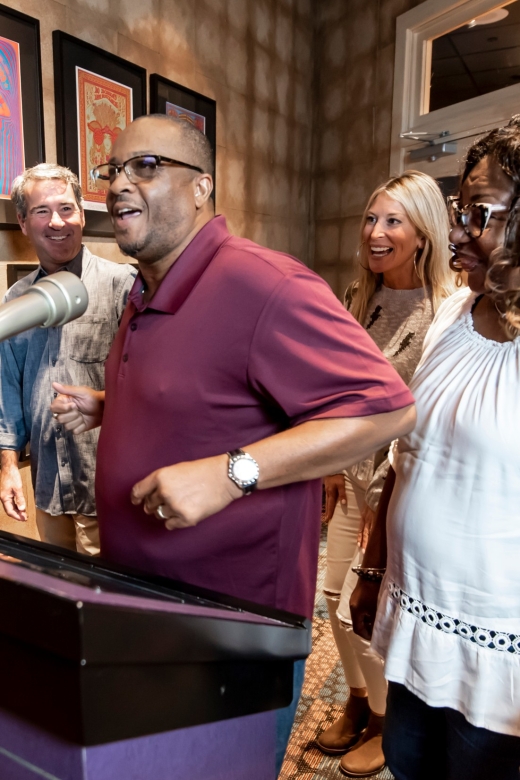
Visitors to the Gateway to the Blues Museum can enjoy the creative process of blues music, as the museum provides an opportunity for guests to write and record their own blues song.
In the museum’s recording studio, aspiring musicians can learn the basics of blues composition, including chord progressions, lyrical themes, and vocal styling.
The experience allows visitors to:
- Explore the rich history and traditions of blues music
- Experiment with different blues instrumentation and techniques
- Collaborate with fellow musicians to craft an original blues melody
- Record their composition in a professional studio setting
- Take home a recording to share with friends and family
Interactive Museum Exhibits
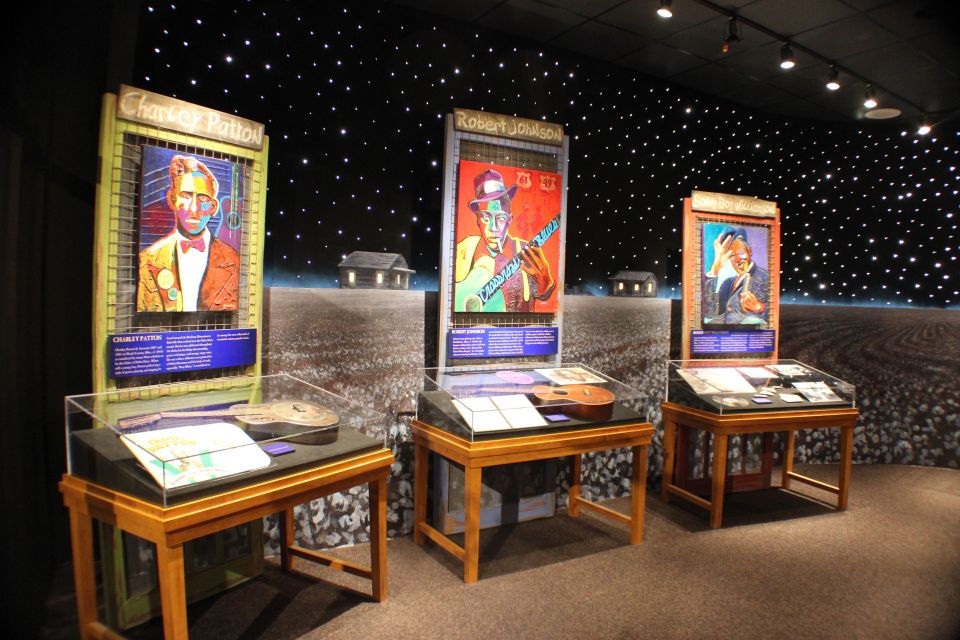
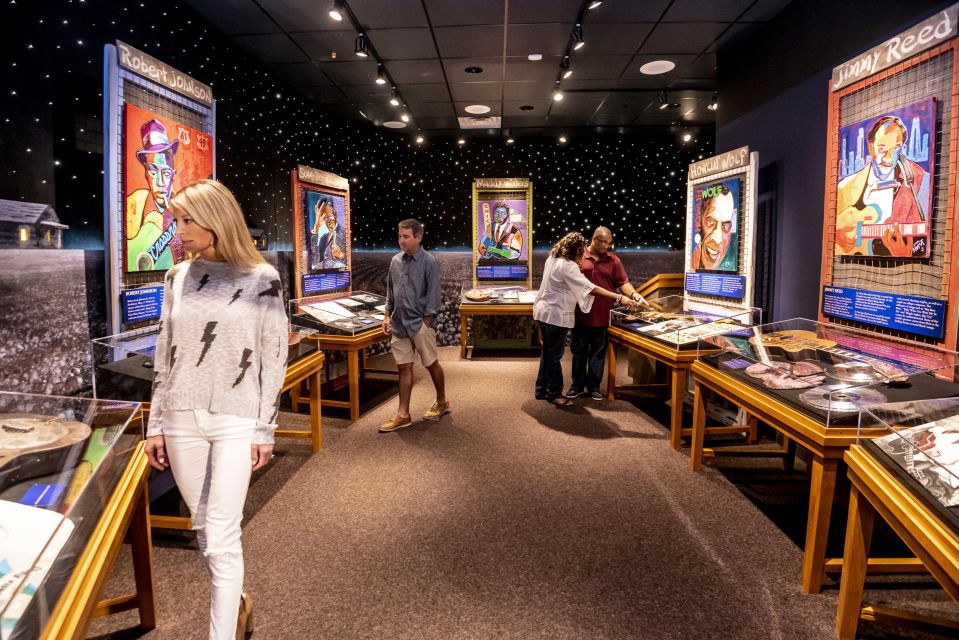
Immersive interactive displays and thought-provoking artwork bring the story of blues music to life throughout the Gateway to the Blues Museum. Visitors can explore the genre’s origins and impact through engaging exhibits. The museum features a recording studio where guests can learn blues basics and even record their own song. Discover the museum’s impressive guitar collection, showcasing instruments played by renowned artists across genres. Explore the influence of sheet music and recorded music on the blues’ evolution. The museum’s exhibits captivate and educate, leaving guests with a deeper appreciation for this quintessential American art form.
| Exhibit | Description | Experience |
|---|---|---|
| Interactive Displays | Multimedia presentations tracing blues history | Hands-on learning |
| Artwork Installations | Evocative visual representations of blues culture | Emotional connection |
| Recording Studio | Opportunity to write and record original blues music | Creative expression |
| Guitar Collection | Showcase of instruments played by legendary artists | Musical inspiration |
Frequently Asked Questions
How Long Does the Tour Typically Last?
The tour typically lasts around 1-2 hours, allowing visitors to fully explore the museum’s exhibits and engage with the interactive displays. This provides ample time to take in the rich history and evolution of blues music.
Are There Any Age Restrictions for the Tour?
There are generally no age restrictions for the tour, though it may be most suitable for older children and adults who can fully engage with the museum’s content. Young children may find some exhibits less engaging.
Are There Any Discounts Available for Students or Seniors?
Yes, the museum offers discounted admission for students and seniors. Students can receive a discounted ticket price, while seniors may be eligible for a reduced rate. Visitors should inquire about these discount options when purchasing their tickets.
Can Visitors Bring Their Own Instruments to the Museum?
Visitors are welcome to bring their own instruments to the museum. However, the museum does not provide any equipment for visitors to use during their visit. Guests must bring their own instruments if they wish to play.
Does the Museum Offer Any Guided Tours or Audio Tours?
The museum offers guided tours that provide an in-depth exploration of the exhibits and history of blues music. They also have audio tours available for visitors to explore the displays at their own pace.
Tunica: Gateway to the Blues Museum Tour
Recap
The Tunica: Gateway to the Blues Museum Tour provides a captivating journey through the evolution of blues music.
Visitors can explore the genre’s roots in the Mississippi Delta, witness iconic artifacts, and even create their own blues composition.
This immersive experience offers a unique opportunity to connect with the enduring legacy of the blues, a quintessential American art form that continues to inspire musicians worldwide.