
Turkish crafted rugs are renowned for their exceptional artistry. Each rug is meticulously hand-knotted using high-quality materials like Angora wool, showcasing vibrant colors from natural dyes. The intricate patterns reflect the region’s rich cultural heritage, influenced by the Ottoman Empire and nomadic traditions. These rugs not only enhance any space but also tell a captivating story of craftsmanship and history. Understanding the unique qualities that set Turkish rugs apart opens a world of possibilities for those seeking to incorporate these timeless pieces into their homes.
Good To Know

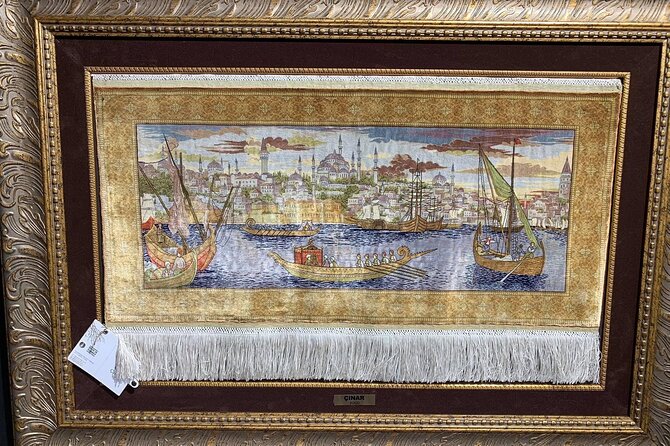
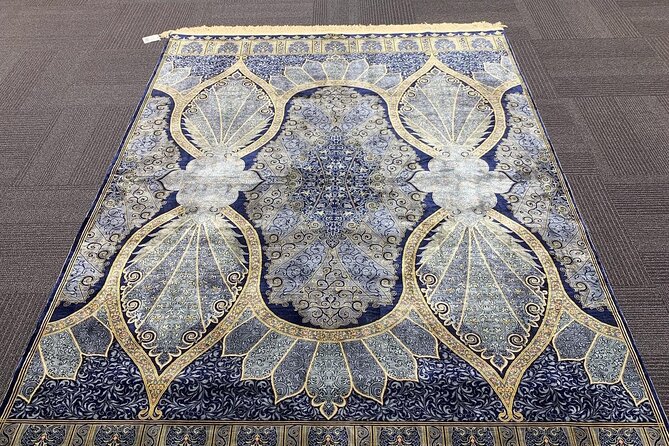
- Turkish rugs are renowned for their intricate, handcrafted techniques, including knotting, weaving, and shearing, passed down through generations.
- The use of high-quality, natural materials and dyes, like wool and madder root, contribute to the vibrant colors and exceptional quality of Turkish rugs.
- Turkish rugs reflect the country’s rich cultural heritage, showcasing diverse influences and patterns that are deeply rooted in the artistic legacy of the Ottoman Empire.
- Regional rug styles, such as Hereke, Konya, and Kilim, each possess distinct design characteristics that represent the artistic expressions of different Anatolian regions.
- Proper care and maintenance, including regular vacuuming, spot cleaning, and professional cleaning, are essential to preserve the longevity and authenticity of Turkish-crafted rugs.
Rug Production Techniques
The intricate process of Turkish rug production involves a time-honored tradition passed down through generations.
Skilled weavers use a combination of handcrafted techniques, including knotting, weaving, and shearing, to create these stunning works of art. The warp and weft threads are carefully selected and dyed using all-natural pigments, ensuring vibrant and long-lasting colors.
The density of the knots per square inch determines the quality and durability of the rug. This meticulous process can take months or even years to complete, depending on the complexity of the design.
Turkish rugs are renowned for their exceptional craftsmanship, making them highly sought-after by collectors and interior design enthusiasts worldwide.
You can also read our reviews of more tours and experiences in Istanbul.


Significance of Turkish Rugs
Turkish rugs hold a profound cultural and historical significance, deeply woven into the fabric of the country’s artistic legacy.
These intricate masterpieces reflect the skilled craftsmanship and rich traditions of Turkish artisans, passed down through generations. Each rug is a unique tapestry, showcasing the diverse influences and patterns that have shaped the nation’s heritage.
From the vibrant colors to the intricate designs, Turkish rugs are prized globally for their exceptional quality and timeless beauty. They serve as a testament to the country’s artistic ingenuity and cultural resilience, captivating collectors and enthusiasts alike.
The enduring appeal of Turkish rugs underscores their enduring significance as cherished symbols of the nation’s artistic identity.
Materials and Dyes Used
Among the hallmarks of Turkish rugs are the high-quality materials and natural dyes used in their production. The wool used is sourced from Angora goats, prized for its softness and resilience.
Natural dyes extracted from plants, flowers, and minerals provide the vibrant colors that distinguish Turkish rugs. Madder root, for instance, produces a rich red hue, while indigo yields deep blues.
The artisans employ intricate techniques to achieve these captivating shades, ensuring each rug is a unique work of art. The attention to detail and use of traditional methods contribute to the enduring appeal and value of Turkish-crafted rugs.
Regional Rug Styles
What’re the distinct regional rug styles found across Turkey?
From the ornate Hereke rugs of the Marmara region to the vibrant Konya rugs of Central Anatolia, each area has developed its own unique aesthetic.
The Caucasian-influenced Kars rugs in the northeast are known for their geometric patterns, while the Kilims of the Southeastern region feature bold, flat-woven designs.
Further south, the Milas rugs of the Aegean coast showcase intricate floral motifs.
These regional variations reflect the rich cultural tapestry and weaving traditions that have evolved across Turkey over centuries, creating a diverse and captivating rug landscape.
Rug Patterns and Designs
Across Turkey’s diverse rug-weaving regions, intricate patterns and captivating designs have emerged, each reflecting the rich cultural heritage and artistic traditions of their respective locales. From the iconic geometric motifs of Anatolian carpets to the flowing, naturalistic representations found in Hereke rugs, Turkish weavers have showcased their mastery of color, symmetry, and symbolism. The table below highlights four distinct rug patterns and their associated regions:
| Pattern | Region |
|---|---|
| Kilim | Central Anatolia |
| Milas | Southwestern Anatolia |
| Gördes | Western Anatolia |
| Isparta | Southeastern Anatolia |
These unique design elements not only captivate the eye but also tell the story of Turkey’s vibrant textile legacy.
- Istanbul: Bosphorus Dinner Cruise & Show With Private Table
★ 4.8 · 44,561 reviews - Istanbul: Daytime or Sunset Sightseeing Cruise & Audio Guide
★ 4.8 · 14,430 reviews - Istanbul: Bosphorus Dinner Cruise & Show with Private Table
★ 4.8 · 10,342 reviews - Istanbul: Basilica Cistern Fast-Track Entry and Audio Guide
★ 4.6 · 7,521 reviews - Istanbul: Hodjapasha Whirling Dervishes Show & Exhibition
★ 4.4 · 4,790 reviews - Istanbul: Bosphorus Sightseeing Cruise Tour with Audio Guide
★ 4.6 · 4,704 reviews
Care and Maintenance
Proper care and maintenance are crucial to preserving the beauty and longevity of Turkish-crafted rugs. Regular vacuuming, using the proper attachments, helps remove dirt and debris.
When spot cleaning, blot gently with a clean, damp cloth and mild soap, avoiding excessive water. For deep cleaning, it’s best to consult a professional rug-cleaning service.
To keep your rug in top shape:
- Rotate the rug periodically to ensure even wear.
- Use furniture coasters or pads to prevent indentation.
- Avoid direct sunlight, which can fade the colors over time.
With the right care, your Turkish-crafted rug will remain a stunning centerpiece for years to come.
Buying Considerations
When considering the purchase of a Turkish-crafted rug, there are several key factors to keep in mind.
Firstly, the quality of the materials and craftsmanship are paramount. Genuine hand-knotted rugs from Turkey are renowned for their durability and longevity. It’s essential to inspect the knots, dyes, and overall construction to ensure authenticity.
Plus, buyers should consider the design and pattern, as Turkish rugs offer a diverse range of traditional and contemporary motifs. The size and shape of the rug should also align with the intended space in the home.
Cultural Influences
Turkish rugs are deeply rooted in the cultural heritage of the region. The designs often draw inspiration from the diverse cultural influences that have shaped the Turkish landscape over the centuries.
Some key cultural influences include:
-
Ottoman Empire’s artistic legacy, featuring intricate geometric patterns and vibrant colors.
-
Nomadic tribes’ traditions, with motifs representing their pastoral lifestyle and connection to the land.
-
Islamic art and architecture, reflected in the use of calligraphic elements and symbolic imagery.
These cultural nuances imbue Turkish rugs with a rich, multifaceted character that captivates collectors and enthusiasts worldwide.
Frequently Asked Questions
Are There Any Discounts Available for Bulk Rug Purchases?
Yes, many suppliers offer discounts for bulk rug purchases. The exact discount percentage can vary, but customers who buy multiple rugs at once often receive a better per-unit price than those purchasing single items.
How Long Does the Custom Rug Ordering Process Typically Take?
The custom rug ordering process usually takes 4-6 weeks. This timeline allows for design selection, material sourcing, and handcrafting before shipping the finished product to the customer.
Can Rugs Be Cleaned On-Site or Do They Require Special Handling?
Rugs can be cleaned on-site, though they may require special handling. Professional cleaners with expertise in rug care can provide services to maintain the rug’s condition and appearance effectively.
Are There Any Financing Options Available for Large Rug Purchases?
Some merchants offer financing options for large rug purchases, like payment plans or layaway. Customers should inquire about these possibilities to make costly rugs more affordable. The terms and conditions vary by retailer, so it’s best to ask upfront.
What Is the Typical Lifespan of a High-Quality Turkish Rug?
A high-quality Turkish rug can last for decades with proper care. They’re known for their durability, often lasting 50-100 years or more when maintained well and used in lower-traffic areas of the home.
Turkish Crafted Rugs
Sum Up
Turkish crafted rugs are enduring testaments to the country’s rich cultural heritage. Their intricate patterns, hand-knotted construction, and use of premium materials like Angora wool and natural dyes make them highly sought-after worldwide. These rugs not only enhance interior spaces but also preserve the traditional weaving techniques that have been passed down for generations, serving as timeless reminders of Turkey’s artistic legacy.


