
When it comes to ancient Egypt, the Valley of Kings and Queens, along with the temples of Hatshepsut and Habu, serve as compelling windows into a civilization rich with history and artistry. Visitors often find themselves captivated by the intricate hieroglyphics in the royal tombs and the magnificent architecture that showcases the power of pharaohs and the unique legacy of Egypt’s first female ruler. Yet, there’s so much more to this storied landscape than what meets the eye, leaving one to ponder what secrets these ancient sites might still hold.
Good To Know
- The Valley of the Kings is a burial site for New Kingdom pharaohs, famous for its intricate tombs and hieroglyphics.
- Hatshepsut Temple honors Egypt’s first female pharaoh, showcasing unique architecture and her significant achievements.
- Habu Temple, built during Ramses III’s reign, features impressive reliefs of military victories and daily life, highlighting ancient Egyptian culture.
- Deir El-Medina offers insights into the lives of ancient artisans, showcasing their homes and unique societal status through well-preserved artifacts.
- Guided tours of these sites enhance the experience with expert commentary and a deeper understanding of ancient Egyptian civilization.
Overview of the Valley
Nestled on the west bank of the Nile in Luxor, the Valley of Kings is a treasure trove of ancient Egyptian history, where pharaohs were laid to rest in magnificent tombs.
This iconic site, established around 1539 BCE, served as the burial ground for many of Egypt’s most powerful rulers during the New Kingdom period.
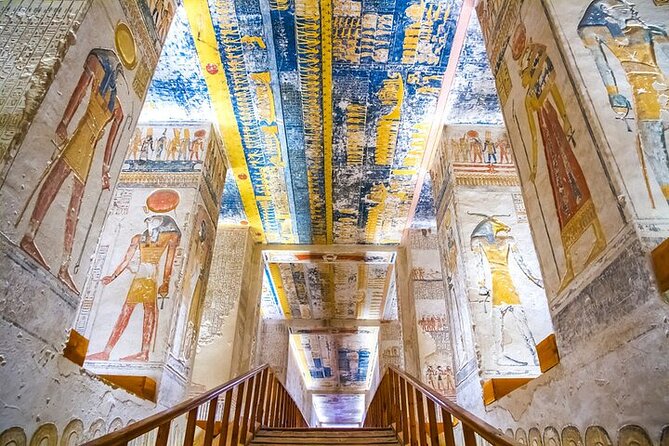
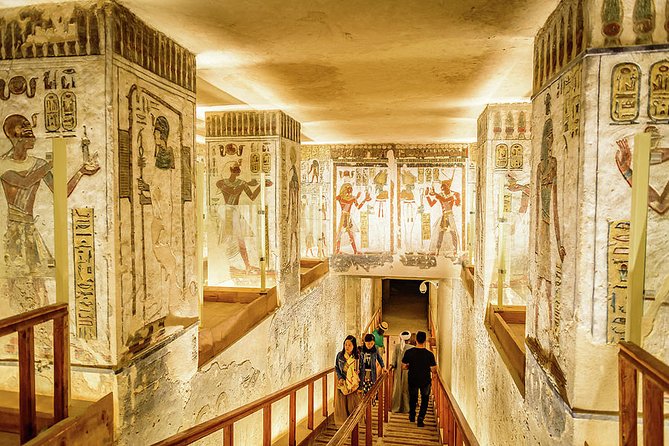
Visitors marvel at the intricate wall paintings and fascinating artifacts that tell stories of the afterlife. Each tomb, uniquely designed, reflects the wealth and beliefs of its occupant.
With its arid landscape and stunning mountains, the valley offers a breathtaking backdrop for exploring these ancient burial sites.
A trip here isn’t just a journey through time; it’s an unforgettable experience steeped in mystery and grandeur.
You can also read our reviews of more tours and experiences in Luxor.


Key Attractions in Luxor
Exploring the key attractions in Luxor reveals a captivating blend of history and culture that draws travelers from around the globe. Visitors can enjoy the grandeur of ancient Egypt while marveling at remarkable sites.
| Attraction | Highlights | Visitor Tips |
|---|---|---|
| Valley of the Kings | Tombs of Pharaohs, stunning hieroglyphics | Arrive early to avoid crowds |
| Hatshepsut Temple | Unique architecture, royal mortuary | Bring a camera for stunning views |
| Temple of Karnak | Largest temple complex, sacred lake | Allocate enough time to explore |
Each site offers a glimpse into the past, making Luxor a must-visit destination for anyone fascinated by Egypt’s rich history. With knowledgeable guides available, travelers gain deeper insights into these ancient wonders.
Exploring the Valley of Kings
The Valley of Kings stands as one of the most significant archaeological sites in Egypt, captivating visitors with its rich history and stunning artistry.
Nestled on the west bank of the Nile, it’s home to the tombs of many pharaohs, including the famous Tutankhamun.
Tourists often marvel at the intricate hieroglyphics and vibrant wall paintings that tell stories of the afterlife.
Guided tours provide insights into the lives of these ancient rulers, making history come alive.
As visitors explore the valley, they appreciate the architectural genius that has withstood the test of time.
It’s not just a journey through tombs; it’s a deep dive into the culture and beliefs of ancient Egypt, leaving a lasting impression on all who visit.
The Significance of Hatshepsut Temple
While many ancient structures reflect the grandeur of their builders, Hatshepsut Temple stands out for its unique architectural design and historical significance.
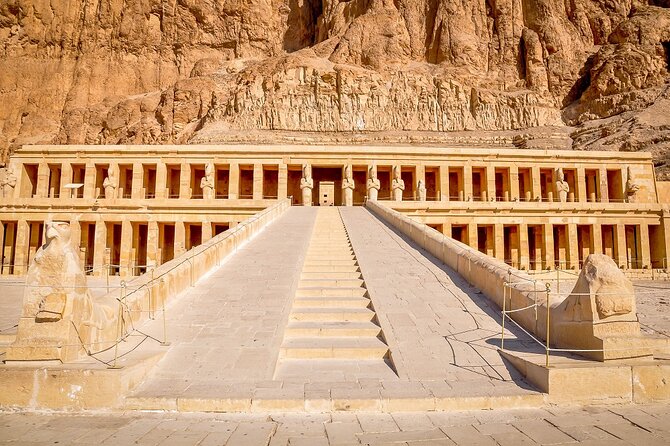
Nestled against the cliffs of Deir el-Bahari, this mortuary temple showcases a stunning terraced layout, blending harmoniously with the surrounding landscape. It honors Hatshepsut, Egypt’s first female pharaoh, symbolizing her power and achievements during a time when women held few leadership roles.
The temple features intricate reliefs depicting her divine birth and trading expeditions, emphasizing her role as a ruler. Visitors can’t help but feel the weight of history as they explore its halls, making it a crucial stop for anyone wanting to understand the complexities of ancient Egyptian civilization and the remarkable legacy of Hatshepsut.
Discovering Habu Temple
Nestled on the West Bank of Luxor, Habu Temple captivates visitors with its impressive scale and intricate artwork. Built during the reign of Ramses III, this temple serves as a testament to ancient Egyptian architecture and artistry.
As travelers wander through its grand halls, they’ll encounter stunning reliefs depicting the pharaoh’s military victories and daily life, bringing history to life. The temple’s unique layout, complete with massive walls and towering pylons, invites exploration.
Notably, the well-preserved colors of the carvings make each scene vivid and engaging. Visitors often find themselves immersed in the stories etched into the stone, making Habu Temple a must-see for anyone eager to understand Egypt’s rich past.
It’s a hidden gem that shouldn’t be missed!
- Luxor: Shared Full-Day Tour to Luxor West and East Banks
★ 4.5 · 1,812 reviews - Luxor: Hot Air Balloon Ride Over Luxor Relics
★ 4.8 · 1,681 reviews - Luxor: Valley of the Kings and Hatshepsut Temple Day Tour
★ 4.4 · 1,404 reviews - Hurghada: 2-Day Luxor Tour With Hotel, Balloon, & Boat Ride
★ 4.5 · 1,113 reviews - Luxor: Morning Hot Air Balloon Ride
★ 4.4 · 736 reviews - Luxor: Karnak Temple and Luxor Temple Tour With Lunch
★ 4.4 · 658 reviews
Insights Into Deir El-Medina
Deir El-Medina, often overlooked by many travelers, offers a fascinating glimpse into the lives of ancient Egyptian artisans who built the tombs of the pharaohs.
This village, home to craftsmen and their families, showcases a unique aspect of Egyptian society. Visitors can explore well-preserved mudbrick houses, where daily life revolved around artistry and craftsmanship.
The site reveals insights into their routines, religion, and even social dynamics. Intriguingly, the artisans had their own tombs, reflecting their esteemed status in society.
Murals and inscriptions found here provide valuable information about their beliefs and aspirations. By visiting Deir El-Medina, travelers not only witness the craftsmanship of ancient artisans but also connect with the everyday experiences of those who shaped Egypt’s monumental legacy.
Customer Experiences and Feedback
Travelers who visit the Valley of Kings and its surrounding sites often share glowing experiences that highlight the richness of their journey.
Many rave about the exceptional guides, like Youssef and Tarek, whose professionalism and knowledge elevate the tour experience. The comfortable, air-conditioned vehicles add to the overall enjoyment, ensuring a pleasant ride through this historical landscape.
Feedback often includes:
- The insightful commentary from knowledgeable Egyptologists, making history come alive.
- The seamless organization of the tour, from pickup to drop-off.
- A few mentions of the pricing, noting the absence of lunch in the package compared to other tours.
Planning Your Visit
When planning a visit to the iconic Valley of Kings and its neighboring temples, it’s essential to consider a few key factors to maximize the experience. Travelers should prioritize booking a guided tour, as knowledgeable Egyptologists enhance the adventure.
Here’s a quick look at some important details:
| Factor | Details |
|---|---|
| Price | From $134.00, varies by group size |
| Inclusions | Entry to key sites, bottled water |
| Cancellation | Free up to 24 hours before tour |
Selecting a convenient pickup point and confirming accommodations ensures a smooth experience. Remember, the heat can be intense, so staying hydrated and wearing comfortable clothing is a must for exploring these historical gems!
Frequently Asked Questions
What Is the Best Time of Year to Visit Luxor?
The best time to visit Luxor is between October and April. During these months, temperatures are more comfortable, allowing travelers to explore the area’s rich history and stunning sites without the sweltering heat of summer.
Are There Any Age Restrictions for the Tour?
There aren’t any strict age restrictions for the tour; most travelers can participate. Families with children often enjoy the experience, and guides like Youssef and Tarek ensure everyone feels comfortable and engaged throughout.
Can I Book a Private Tour for My Family?
Yes, he can book a private tour for his family. This option ensures a personalized experience, allowing them to explore at their own pace and enjoy the comfort of having only their group on the tour.
Is Photography Allowed Inside the Temples and Tombs?
He asked if photography’s allowed inside the temples and tombs. Most sites prohibit it, protecting ancient artwork. However, some areas permit photography, so checking specific rules before snapping pictures is always a good idea.
What Should I Wear for a Day of Sightseeing?
For a day of sightseeing, she recommends lightweight, breathable clothing and comfortable shoes. Sun protection’s essential, so a hat and sunscreen are must-haves. Staying hydrated with water is crucial while exploring the sites.
Valley of Kings, Queens, Temples of Hatchepsut, Habu, and Mooore
The Sum Up
Visiting the Valley of Kings and Queens, along with Hatshepsut and Habu Temples, offers a captivating glimpse into ancient Egypt’s rich history and artistry. Each site tells its own unique story, from the elaborate tombs of pharaohs to the impressive achievements of Egypt’s first female ruler. Travelers can enjoy the past, discovering the splendor and significance of this incredible civilization. So, pack your bags and get ready for an unforgettable journey through time!


