Visiting the ancient Roman city of Pompeii is a captivating experience that transports travelers back in time. Frozen in the aftermath of Mount Vesuvius’ catastrophic eruption in 79 AD, Pompeii offers a unique glimpse into the daily lives of its former inhabitants. As you wander through the well-preserved streets, you’ll uncover a wealth of artifacts that tell compelling stories, from intricate mosaics to grand architectural structures. Whether you’re a history enthusiast or simply curious about the past, Pompeii promises to ignite your imagination and leave you yearning to discover more about this remarkable site. Get ready to embark on an unforgettable journey through an ancient world.
Key Points
- Pompeii, an ancient Roman city, offers a well-preserved glimpse into the architectural, cultural, and social aspects of life in ancient Rome.
- Excavations at Pompeii have uncovered a wealth of artifacts, including frescoes, mosaics, pottery, and casts of victims, providing insights into daily life.
- Visitors can marvel at the diverse range of preserved artifacts, from carbonized loaves of bread to vibrant frescoes depicting cultural practices.
- Pompeii’s architectural wonders, such as the grand amphitheater, the Villa of the Mysteries, and the advanced public baths, showcase the engineering prowess of the Romans.
- Exploring the remnants of Pompeii’s diverse dining establishments, from quick-service thermopolia to elaborate banquet halls, offers a glimpse into the culinary culture of ancient Rome.
Overview of Pompeii
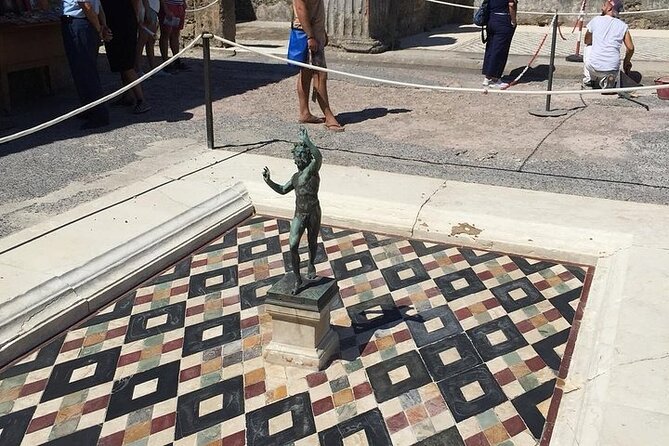
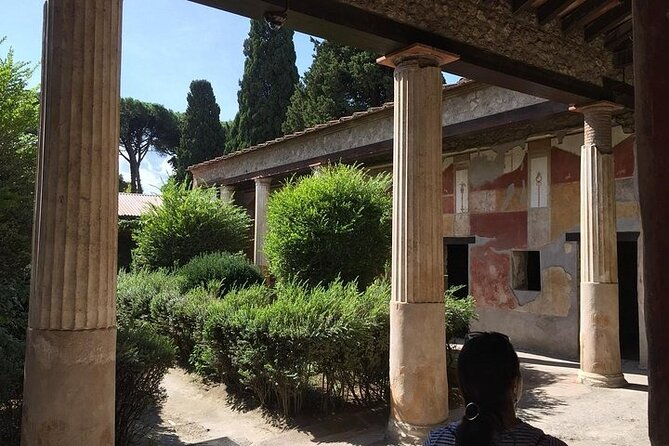
Pompeii was an ancient Roman city located in the modern-day Campania region of Italy. Buried under layers of volcanic ash after the eruption of Mount Vesuvius in 79 AD, Pompeii offers a unique glimpse into the daily life of a Roman settlement.
The well-preserved ruins include ancient streets, buildings, and artifacts that provide invaluable insights into Roman architecture, culture, and society. Visitors can explore the city’s amphitheater, forum, temples, baths, and even ancient fast-food restaurants, offering a captivating window into the past.
The site’s exceptional state of preservation makes it a must-visit destination for anyone interested in Roman history and archaeology.
You can also read our reviews of more city tours in Rome


Uncovering Pompeii’s History
The eruption of Mount Vesuvius in 79 AD buried the thriving city of Pompeii under a thick layer of volcanic ash, effectively preserving its remarkable architectural features and everyday artifacts.
Uncovering Pompeii’s history has provided a unique window into ancient Roman life. Excavations have revealed:
- Well-preserved buildings, streets, and public spaces
- Artifacts like pottery, jewelry, and household items
- Frescoes and mosaics depicting daily life
- Casts of victims, frozen in time by the eruption
This glimpse into the past offers invaluable insights into Pompeii’s culture, economy, and social structure, captivating visitors and scholars alike.
The city’s remarkable state of preservation continues to yield new discoveries, shedding light on the vibrant world that existed before the fateful day in 79 AD.
Marveling at Preserved Artifacts
Uncovered artifacts from Pompeii’s ruins captivate visitors, offering a rare glimpse into the daily lives of ancient Romans. Exquisitely preserved frescoes, pottery, and even carbonized loaves of bread provide a tangible connection to the past. Visitors can marvel at the intricacy of Pompeii’s finest mosaics and the artistry of its sculptures.
| Preserved Artifacts | Insights Provided |
|---|---|
| Frescoes | Daily life |
| Pottery | Dining habits |
| Carbonized bread | Food preparation |
| Mosaics | Art and design |
| Sculptures | Culture and skill |
These well-preserved remnants illuminate the vibrant culture and bustling commerce that once thrived in this doomed city, captivating all who witness them.
Exploring Pompeii’s Architecture
Amidst the captivating artifacts, visitors can’t help but be drawn to the remarkably preserved architecture of Pompeii. The city’s structures offer a unique glimpse into the daily lives of ancient Romans.
Standout features include:
- The grand amphitheater, which could seat up to 20,000 spectators.
- The intricately decorated Villa of the Mysteries, renowned for its vibrant frescoes.
- The bustling Forum, the commercial and social heart of the city.
- The remarkably well-preserved public baths, complete with heated floors and intricate plumbing systems.
Exploring Pompeii’s architecture provides a tangible connection to the past, offering visitors a chance to enjoy the rich history of this captivating ancient Roman city.
Dining in Ancient Pompeii
Numerous taverns and eateries dotted the streets of ancient Pompeii, catering to the city’s diverse population. Fast-food counters, basic inns, and upscale dining establishments all thrived in the bustling metropolis.
Visitors could enjoy a quick snack of bread, olives, and wine at one of the many thermopolia, or opt for a more substantial meal at a full-service restaurant.
The affluent often hosted sumptuous banquets in their private homes, showcasing the culinary skills of specialized cooks.
Archaeologists have uncovered remnants of kitchens, dining rooms, and even ancient menus, providing a glimpse into the vibrant food culture of this ancient Roman city.
- Vatican Museums & Sistine Chapel Tour With Optional Basilica
★ 4.3 · 67,413 reviews - Rome: Colosseum, Palatine Hill and Roman Forum Guided Tour
★ 4.8 · 32,814 reviews - Rome: Guided Tour of Colosseum, Roman Forum & Palatine Hill
★ 4.7 · 27,897 reviews - Rome: Colosseum & Forum With Audio Guide App -Optional Arena
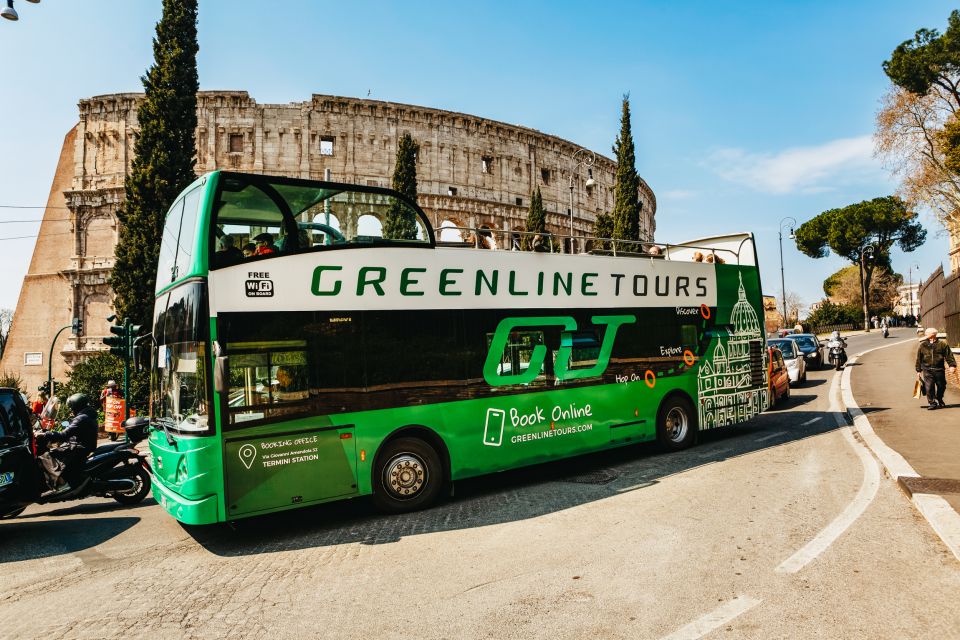
★ 4.2 · 24,770 reviews - Rome: City Sightseeing Hop-On Hop-Off Bus With Audioguide
★ 4.0 · 16,045 reviews - Rome: Hop-On Hop-Off Panoramic Open Bus Ticket
★ 4.0 · 15,405 reviews
Experiencing Pompeii’s Daily Life
Strolling through Pompeii’s well-preserved streets, visitors can enjoy the daily rhythms of this ancient Roman city.
From bustling marketplaces to tranquil residential neighborhoods, the ruins offer a glimpse into the lives of Pompeii’s citizens:
-
Explore the remains of bakeries, where the aroma of freshly baked bread once filled the air.
-
Discover the remains of small shops and workshops, where artisans plied their trades.
-
Visit the public baths, where residents gathered to socialize and relax.
-
Wander through the amphitheater, where citizens enjoyed spectacles and entertainment.
Visiting Pompeii’s Iconic Sights
Visitors to Pompeii are drawn to the city’s iconic landmarks, each offering a glimpse into the grandeur of ancient Roman life. The city’s renowned amphitheater, one of the largest in the Roman world, hosted thrilling gladiatorial contests and public spectacles. The Villa of the Mysteries astounds with its well-preserved frescoes depicting mysterious Dionysian rites. Strolling through the Forum, visitors can envision the bustling commercial and political heart of the city. Nearby, the Lupanar, or ancient brothel, provides a sobering reminder of Pompeii’s vibrant, yet complex, social fabric.
| Iconic Sights | Key Features |
|---|---|
| Amphitheater | Largest in Roman world, hosted gladiatorial contests |
| Villa of the Mysteries | Astonishing frescoes depicting Dionysian rites |
| Forum | Bustling commercial and political center |
| Lupanar (Brothel) | Reflects Pompeii’s complex social landscape |
Planning Your Pompeii Adventure
Planning a rewarding Pompeii adventure requires careful consideration. To make the most of your visit, consider these key planning tips:
-
Decide on your must-see sites: The ancient city offers a wealth of ruins, from the iconic amphitheater to the well-preserved Lupanare brothel.
-
Book your tour in advance: Secure your spot on a private tour to avoid crowds and maximize your time.
-
Dress for the weather: Wear comfortable walking shoes and bring sunscreen and a hat to stay cool.
-
Pack wisely: Bring water, snacks, and any necessary medications to stay energized throughout your exploration.
Frequently Asked Questions
Can I Bring My Own Food and Drinks on the Tour?
According to the tour overview, food and animals are not specified as included amenities. However, the tour does allow for private transport, so guests may bring their own food and drinks if desired.
Is There a Dress Code for Visiting Pompeii?
There’s no strict dress code for the Pompeii tour, but visitors should wear comfortable, weather-appropriate clothing and sturdy shoes as the terrain can be uneven. Bringing a hat and sunscreen is also recommended to stay cool in the Mediterranean climate.
What Is the Cancellation Policy for This Tour?
The tour has a free cancellation policy up to 24 hours before the experience starts, providing flexibility for travelers’ plans. This allows them to cancel their booking without incurring any penalties within that timeframe.
Are Audio Guides Available for the Tour?
The tour doesn’t mention audio guides. However, it provides a private, guided experience, so the guide will likely provide commentary and insights throughout the visit to Pompeii’s ancient ruins.
Can I Use the Restroom Facilities During the Tour?
Yes, restroom facilities are available during the tour. The private transport includes stops at designated restroom locations throughout the experience, ensuring comfort and convenience for participants.
Visiting Pompeii, the Ancient Roman City
The Sum Up
Visiting Pompeii offers a unique chance to step back in time and take in the rich history and daily life of the ancient Roman city. From the well-preserved ruins to the captivating artifacts, every aspect of Pompeii provides a fascinating glimpse into the past, making it a must-visit destination for anyone interested in exploring the legacy of this remarkable ancient civilization.