
When it comes to understanding the ‘Stone of Salt‘ and its connection to samba, one can’t overlook how this lively genre embodies the spirit of resistance among Afro-Brazilians. It’s more than just music; it’s a heartbeat that pulses through the struggles and triumphs of a community. Samba tells stories of resilience and identity, shaped by key figures and vibrant samba schools that keep the tradition alive. But what happens when this rich cultural tapestry meets the streets of Brazil? The answer’s more layered than you might expect.
Key Points
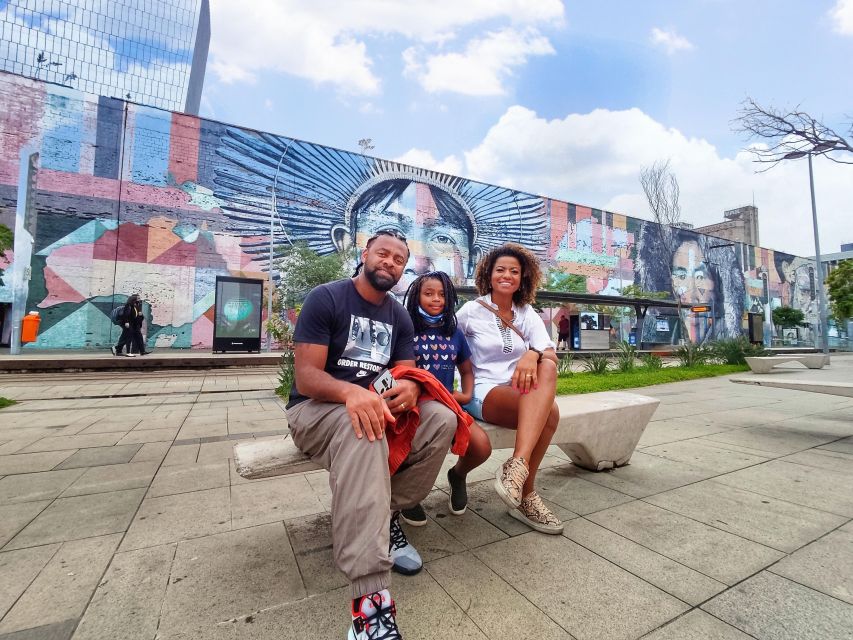
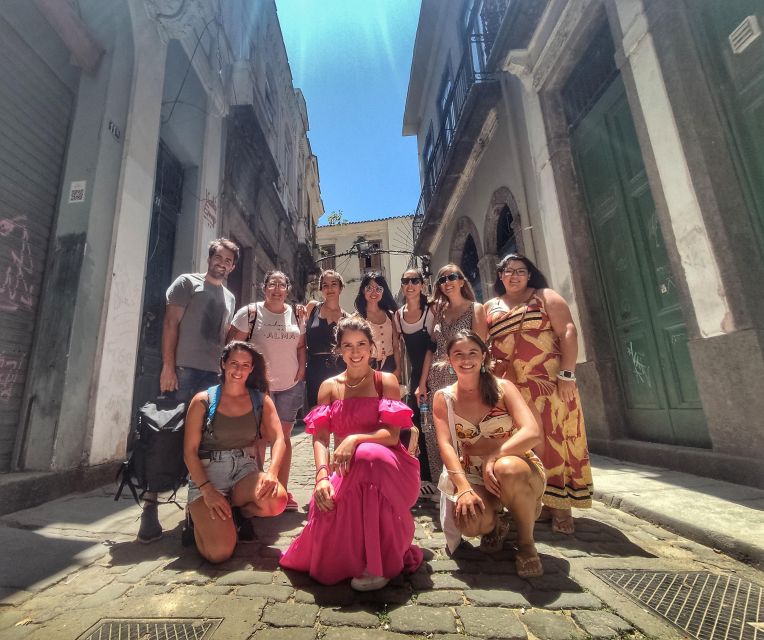
- The "Stone of Salt" symbolizes the struggles of Afro-Brazilians, reflecting their resilience through samba’s rich cultural heritage.
- Samba originated as a form of resistance against oppression, celebrating Afro-Brazilian identity and community.
- Key figures, such as Cartola and Clara Nunes, infused samba with messages of hope, defiance, and cultural pride.
- Samba schools serve to preserve traditions, fostering creativity and unity while embodying the spirit of resistance.
- Afro-Brazilian gastronomy enhances the understanding of cultural resilience, connecting participants to the stories behind traditional dishes.
Historical Context of Samba
Samba isn’t just a lively rhythm; it’s a powerful symbol of resistance that emerged from the struggles of Afro-Brazilians fighting against oppression and slavery.
The roots of samba trace back to the late 19th century when enslaved Africans brought their musical traditions to Brazil. As they mixed with local influences, a unique sound developed, giving voice to their pain and resilience.
This genre became a way for Afro-Brazilians to celebrate their culture and express their defiance. It wasn’t just about the music; samba embodied a fight for identity and freedom in a society that marginalized them.
Over the years, samba evolved, but its foundation in resistance remains a vital part of Brazil’s cultural narrative, making it much more than a dance.
You can also read our reviews of more tours and experiences in Rio De Janeiro.


Significance of Cultural Resistance
Cultural resistance plays a vital role in shaping identities, allowing communities to reclaim their narratives and express their struggles through art, music, and traditions that resonate with their history. Samba, as a powerful form of cultural expression, embodies this resistance, celebrating heritage while challenging oppression.
| Aspect | Significance |
|---|---|
| Identity | Strengthens community bonds |
| Expression | Provides a voice for marginalized groups |
| Heritage | Preserves traditions and stories |
| Education | Raises awareness about historical struggles |
| Empowerment | Inspires collective action and resilience |
Through samba, communities not only remember their past but also assert their presence in a world often seeking to silence them. It’s more than music; it’s a heartbeat of resistance.
Key Figures in Samba History
Throughout its vibrant history, numerous key figures have shaped samba into the powerful symbol of resistance and identity it’s today.
Artists like Cartola and Noel Rosa didn’t just write catchy tunes; they infused their music with messages of hope and defiance.
Then there’s the legendary Clara Nunes, who brought samba to the mainstream while honoring its roots.
These icons inspired generations, showing that samba is more than just music; it’s a way to reclaim heritage.
In the streets, dancers and musicians like Zumbi dos Palmares and Gilberto Gil carried the torch, reminding everyone that samba thrives on resilience.
Their contributions resonate deeply, solidifying samba as a heartbeat of Brazil’s cultural landscape and a testament to the enduring spirit of its people.
The Role of Samba Schools
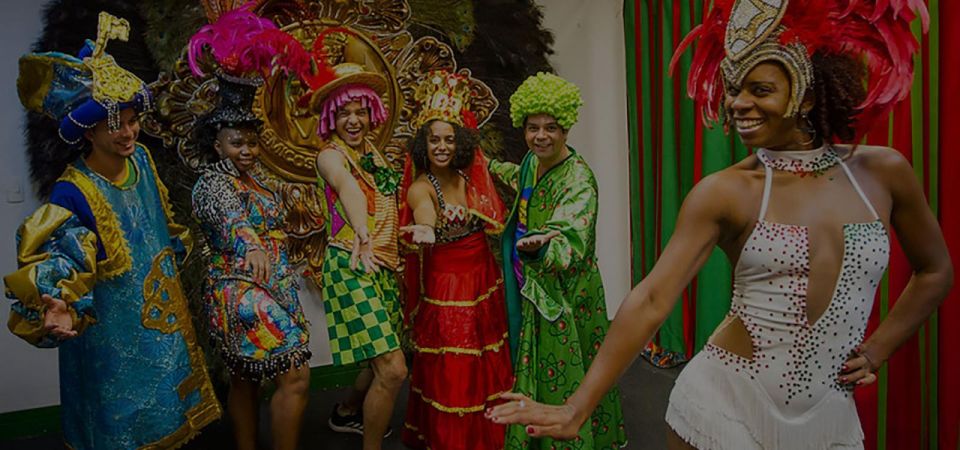
Playing a vital role in preserving and promoting Afro-Brazilian traditions, samba schools serve as community hubs where music, dance, and culture come alive.
These vibrant spaces foster creativity and unity, allowing locals to express their heritage through exhilarating performances. Each school embodies its unique story, often reflecting the struggles and triumphs of the community.
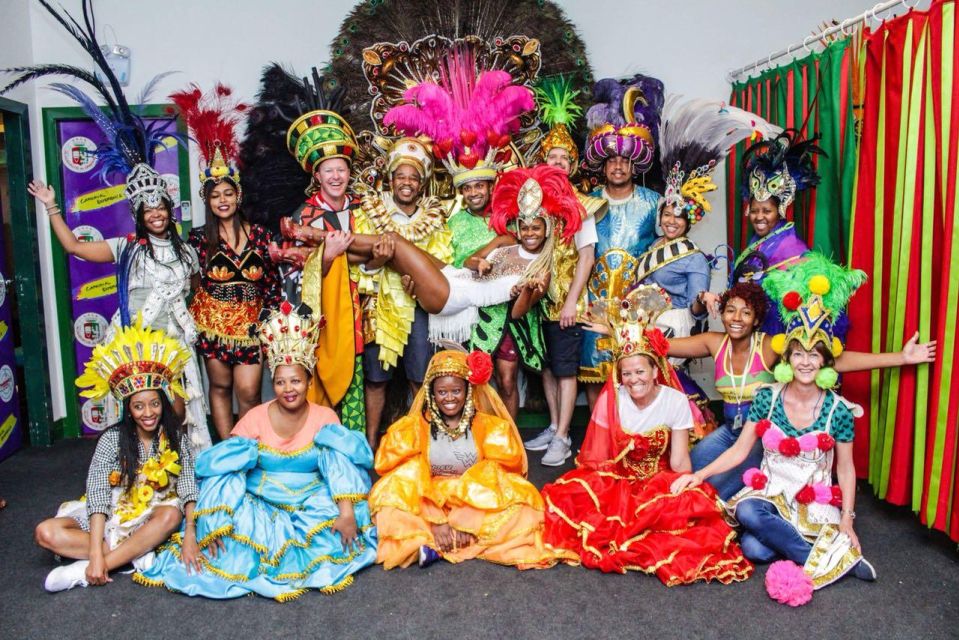
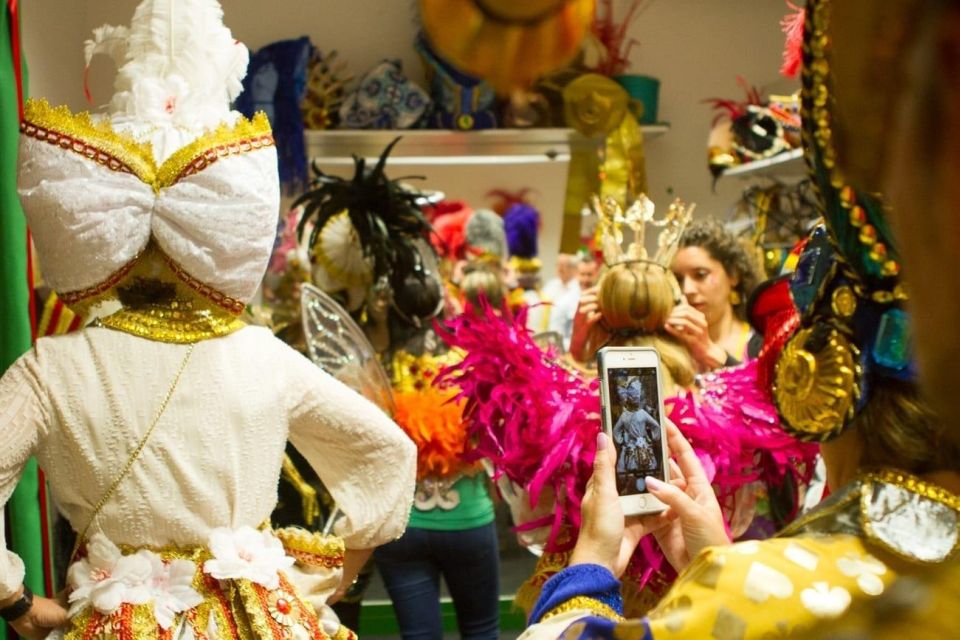
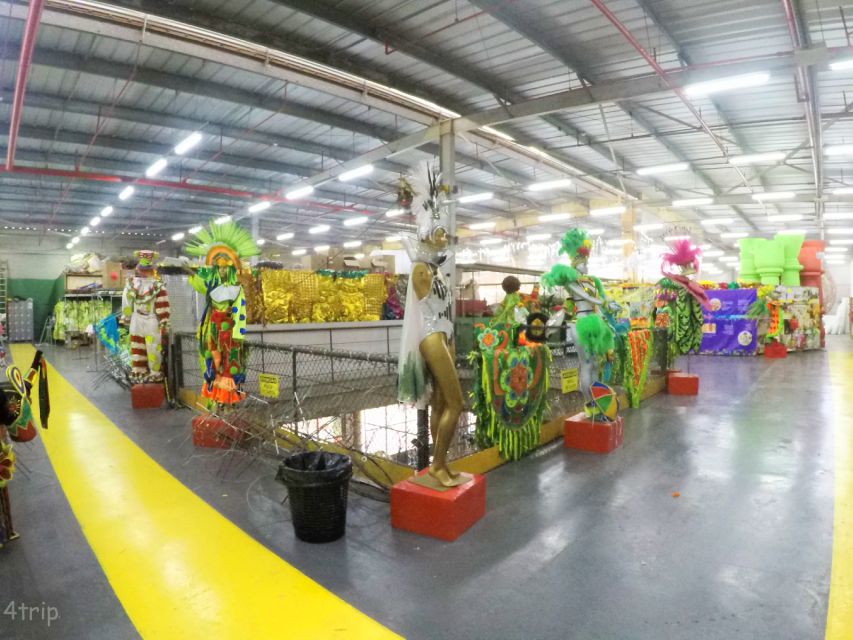
Members collaborate year-round to design elaborate floats and costumes, turning Carnaval into a dazzling showcase of talent and resilience.
Beyond the festivities, samba schools provide education and mentorship, nurturing the next generation of artists.
They’re not just about rhythm and movement; they’re about connection, pride, and a shared history that resonates deeply, making samba an enduring symbol of cultural resistance.
More Great Tours NearbyAfro-Brazilian Gastronomy Experience
Afro-Brazilian gastronomy offers a delicious journey through flavors and traditions that reflect the rich heritage of the community. It’s all about blending ingredients like black-eyed peas, okra, and coconut milk to create mouthwatering dishes that tell stories.
Imagine savoring a hearty bowl of feijoada, a savory stew that warms the soul and sparks conversations. Street food like acarajé, deep-fried balls filled with shrimp and spices, also brings people together.
As you indulge, you’ll feel the rhythms of history and culture swirling around you. This culinary experience isn’t just about eating; it’s about connecting with a vibrant past and celebrating resilience.
It’s a tasty reminder of how food can unite and inspire, wrapping you in the warm embrace of community.
- Rio: Christ the Redeemer, Sugarloaf, Selaron & BBQ Lunch
★ 4.5 · 2,428 reviews - Rio De Janeiro: Half-Day Rocinha Favela Walking Tour
★ 4.7 · 2,272 reviews - Rio: Christ the Redeemer, Selarón Steps & Sugarloaf Sunset
★ 4.5 · 2,108 reviews - Rio De Janeiro: Angra Dos Reis and Ilha Grande Full-Day Tour
★ 4.6 · 1,673 reviews - Samba Class for Beginners in Ipanema
★ 4.9 · 1,071 reviews - Rio De Janeiro: Sunset Sailing Tour
★ 4.8 · 994 reviews
Vibrant Samba Street Parties
As the flavors of Afro-Brazilian gastronomy linger on the palate, the lively rhythm of samba street parties beckons, inviting everyone to join in a celebration of community and culture.
These vibrant gatherings pulse with energy, drawing locals and visitors alike into a whirlwind of dance, music, and laughter. The streets transform into a colorful canvas, filled with the captivating beats of drums and the joyous laughter of friends old and new.
Each party showcases the rich tapestry of Afro-Brazilian heritage, reminding everyone of samba’s roots in resistance and resilience. It’s not just about the dance; it’s about unity, identity, and the spirit of togetherness.
In these moments, the heart of Rio truly comes alive, echoing the soul of its people.
Educational Aspects of the Tour
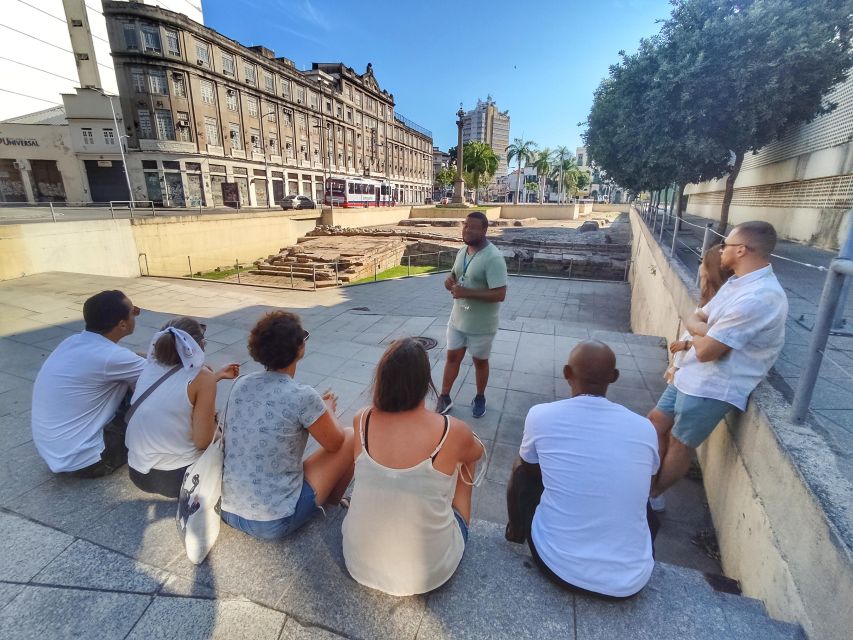
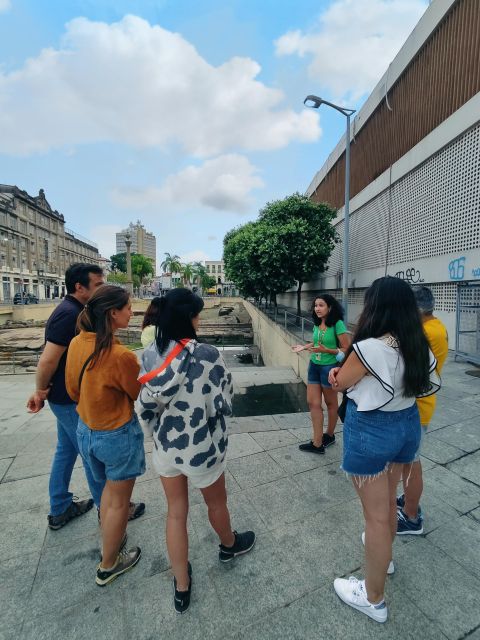
While exploring the vibrant streets of Rio, participants dive deep into the rich history of samba, uncovering how it served as a powerful form of resistance against oppression.
They learn about the struggles faced by the Afro-Brazilian community and how samba emerged as a voice for change. The tour highlights influential black figures who played pivotal roles in this cultural movement, making history relatable and engaging.
Participants wander through historical spots tied to this legacy, experiencing the heartbeat of the city. Plus, they get a taste of Afro-Brazilian gastronomy, connecting flavors with stories of resilience.
Engaging With Local Traditions
Participants find themselves fully immersed in the vibrant local traditions, discovering how samba rhythms pulse through daily life in Rio de Janeiro. It’s not just about the music; it’s about the stories, the food, and the community spirit. They explore the heart of samba culture, connecting with its roots and the resistance it embodies.
| Experience | Details |
|---|---|
| Samba Street Parties | Weekly celebrations in the neighborhoods |
| Afro-Brazilian Food | Tasting traditional dishes like feijoada |
| Historical Sites | Visiting places that shaped cultural resistance |
| Influential Figures | Learning about key personalities in samba history |
This journey into local traditions opens eyes and hearts, making samba not just a dance, but a way of life.
Frequently Asked Questions
What Should I Wear for the Samba Tour Experience?
For the samba tour, she should wear comfortable clothes and lightweight shoes. A hat and sunscreen help against the sun, while vibrant colors reflect the lively atmosphere. Staying casual ensures she enjoys every moment without discomfort.
Are Children Allowed to Join the Samba Tour?
Kids can definitely join the samba tour! It’s a family-friendly experience, and they’ll love the vibrant culture. Plus, it’s a great chance for everyone to learn and enjoy together in an exciting atmosphere.
Is Transportation Included in the Tour Package?
Yes, the tour package includes transportation from the end of the walking tour to the samba school area. It’s a hassle-free way for everyone to dive into the vibrant samba experience without worrying about getting around!
Can I Cancel My Reservation at Any Time?
She can cancel her reservation anytime up to 24 hours before the activity for a full refund. It’s a flexible option, making planning stress-free and allowing her to change her mind if needed.
How Can I Check Tour Availability Online?
They can check tour availability online by visiting the official website, where they’ll find updated schedules and starting times. It’s super easy, and they can plan their adventure without any hassle.
Stone of Salt – Samba and Resistance
Recap
In the heart of Brazil, samba isn’t just music; it’s a lifeline connecting generations.
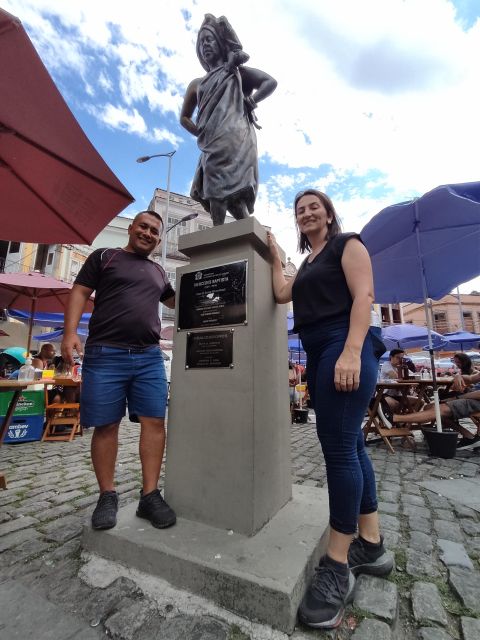
The Stone of Salt stands as a testament to the resilience of Afro-Brazilian culture, reminding everyone that joy can flourish even in struggle.
Through lively street parties, rich gastronomy, and the passion of samba schools, the spirit of resistance lives on.
It’s not just about the beats; it’s about community, identity, and celebrating a vibrant heritage that continues to inspire.
You can check availability for your dates here:


