
The Inca Trail is a renowned 4-day trek that leads adventurers from Cusco to the iconic Machu Picchu. This challenging hike features stunning Andean landscapes, ancient Incan ruins, and elevations up to 4,200 meters. With limited government-issued permits, early booking is essential. Trekkers experience breathtaking sunrises, camaraderie with fellow hikers, and exceptional guidance from experienced porters. While the journey is physically demanding, it’s an immensely rewarding bucket-list adventure for many travelers. What challenges might one face, and how can one prepare to make the most of this iconic Peruvian experience?
Good To Know
-
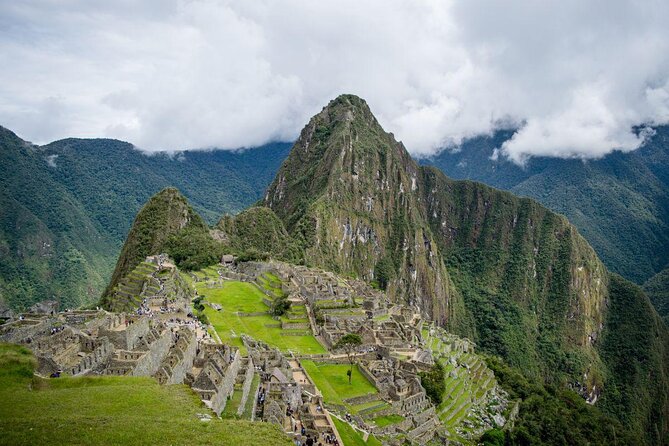
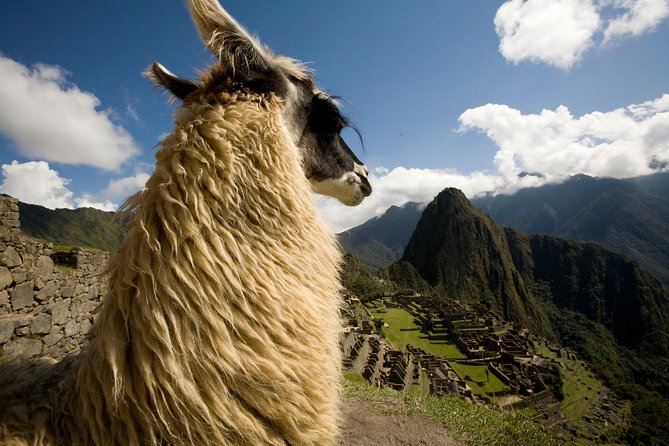
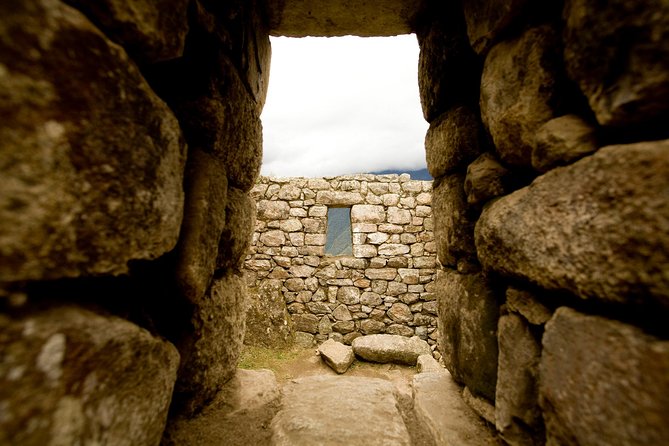
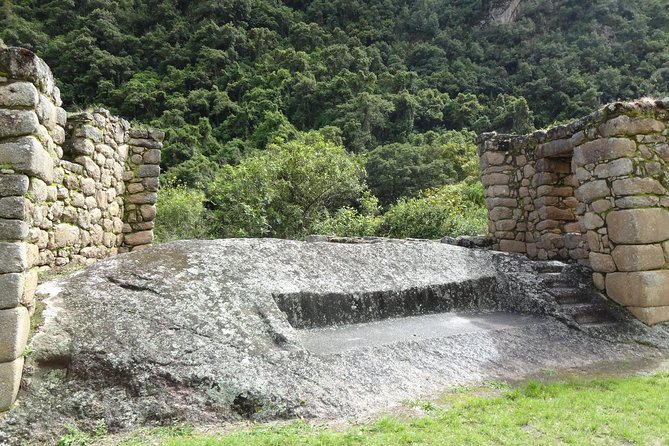
The Inca Trail is a renowned 4-day guided hike from Cusco, Peru to the iconic Machu Picchu, offering stunning Andean landscapes and ancient Inca ruins.
-
The trek reaches an elevation of up to 4,200 meters, featuring steep ascents and descents, and requires advanced physical preparation and fitness.
-
Advance booking is essential due to limited government-issued permits, and the trek is closed every February for maintenance.
-
The trek package includes hotel pickup/drop-off, transportation, entrance fees, experienced guides, porters, and camping equipment, with optional porter services for extra weight.
-
Traveler experiences highlight the exceptional guidance, delicious meals, and unforgettable moments, such as the sunrise over Machu Picchu and the camaraderie among trekkers.
Overview of the Inca Trail Trek
The Inca Trail trek is an iconic and challenging 4-day guided hike that takes adventurers from Cusco, Peru to the renowned Machu Picchu site.
This popular route requires advance booking due to the limited government-issued permits. The trek has an overall 4.0 rating from 20 reviews, reflecting its stunning scenery and demanding nature.
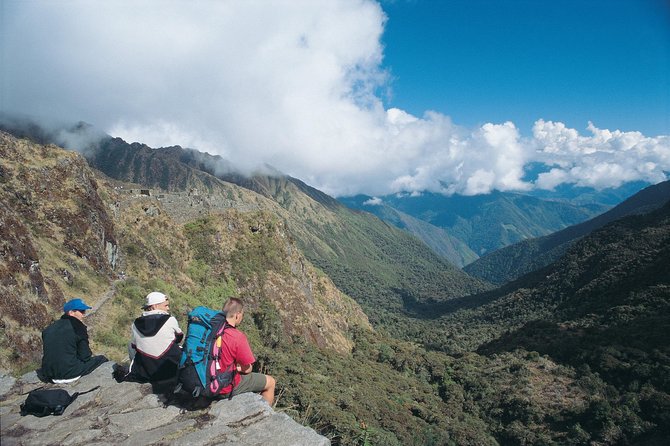
Trekkers should be prepared for steep ascents and descents, as the trail reaches an elevation of 4,200 meters.
Despite the physical challenge, the Inca Trail remains a bucket-list experience for many travelers seeking to explore the Incan ruins and enjoy the breathtaking Andean landscape.
You can also read our reviews of more hiking tours in Cusco


Trek Details and Itinerary
The 4-day Inca Trail trek begins at Piscacucho (2,750 m), where trekkers embark on a slow-paced walk.
The second day is the most challenging, as the route ascends to the Warmiwañapass (4,200 m) before descending to Pacaymayo (3,600 m).
Day 3 is the longest, featuring archaeological sites and ascents to Runcuracay pass (3,860 m) and Phuyupatamarca (3,700 m), with the final campsite at Wiñaywayna (2,650 m).
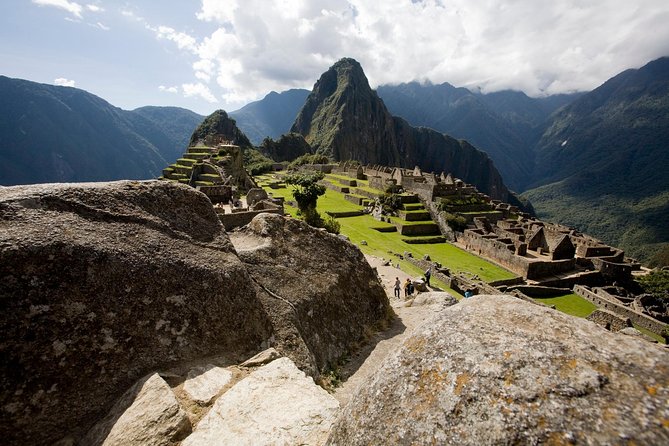
On the fourth day, trekkers rise early to reach Intipunku (2,720 m) and witness the sunrise over Machu Picchu, followed by a guided tour of the iconic site.
Difficulty and Physical Preparation
The Inca Trail trek isn’t recommended for those with back problems, as it involves steep ascents and descents that can be quite challenging.
Prospective trekkers should be physically fit and prepared for the demands of the trail. The second day, in particular, is the most strenuous, with a grueling ascent to the Warmiwañusca pass at 4,200 meters.
Proper training and conditioning are essential to tackle the varied terrain and high altitudes. Travelers should consult with their guides and research the route thoroughly to ensure they’re ready for the rigors of the Inca Trail.
With the right preparation, however, the trek can be an immensely rewarding experience.
Inclusions and Logistics
The Inca Trail trek package includes a range of essential services to ensure a smooth and memorable journey.
Travelers can expect hotel pickup and drop-off, as well as roundtrip transportation to the trailhead. All entrance fees, an experienced guide, porters, and camping equipment are included.
While the basic package covers these necessities, hikers can opt to hire additional porters to carry up to 26 pounds of extra weight at an additional cost.
Given the remote nature of the trek, some locations may require nearby pickup due to vehicle access restrictions.
Careful planning and advance booking are essential, as the trail is closed in February for maintenance.
Booking and Reservations
Booking the Inca Trail trek is crucial, as the limited government-issued permits sell out quickly, often months in advance. Securing your spot requires planning well ahead – at least 6 months before your desired travel dates.
The trek is closed every February for maintenance, so it’s essential to book outside of this period. When booking, you’ll need to provide personal details and passport information.
Expect to pay a deposit upfront, with the remaining balance due closer to your trek date. Booking through a reputable tour operator is recommended, as they can handle all the logistics and ensure a seamless experience on the challenging Inca Trail.
You can also read our reviews of more tours and experiences in Cusco
- Inca Trail 4 Days / 3 Nights
★ 5.0 · 733 reviews - Lares Valley Trek With Hot Spring 4-Day & 3-Night
★ 5.0 · 656 reviews - Cusco: Machu Picchu 4-Day Inca Trail Trek & Panoramic Train
★ 4.9 · 503 reviews - Inca Jungle Trail to Machu Picchu in 4 Days
★ 5.0 · 438 reviews - Inca Jungle Trail to Machu Picchu: 4-Day Tour
★ 5.0 · 426 reviews - Classic Salkantay Trek 4-Day
★ 5.0 · 387 reviews
Gear and Packing Recommendations
Packing the right gear is crucial for a successful Inca Trail trek. Hikers should bring sturdy, broken-in hiking boots and quality layers to adapt to changing weather.
A lightweight backpack, preferably with a rain cover, is essential for carrying personal items and snacks. Trekkers should pack sun protection like a hat, sunglasses, and sunscreen, as the high elevation increases UV exposure.
Staying hydrated is vital, so a water bottle or hydration pack is a must. Finally, hikers shouldn’t forget a headlamp or flashlight for the early morning final ascent to Machu Picchu.
- Hiking boots
- Layered clothing
- Backpack with rain cover
- Sun protection
- Hydration system
Traveler Experiences and Feedback
Travelers who embarked on the Inca Trail trek to Machu Picchu frequently praised the exceptional guidance and service provided by the experienced guides and porters. Many highlighted the delicious and plentiful meals as a highlight of the journey. However, some encountered language barriers with the guides, and a few expressed dissatisfaction with the booking process through Viator. The camaraderie among trekkers and the breathtaking sunrise at Machu Picchu were widely cited as unforgettable moments.
| Positive Aspects | Challenges | Memorable Moments |
|---|---|---|
| Excellent guides and porters | Language barriers | Sunrise at Machu Picchu |
| Delicious, plentiful meals | Booking process issues | Camaraderie among trekkers |
Memorable Moments and Highlights
Frequently, trekkers on the Inca Trail were captivated by the breathtaking sunrise over the iconic ruins of Machu Picchu. This moment of tranquility and awe was a highlight for many.
Other memorable moments included:
- Camaraderie and connections formed with fellow trekkers during the challenging hike
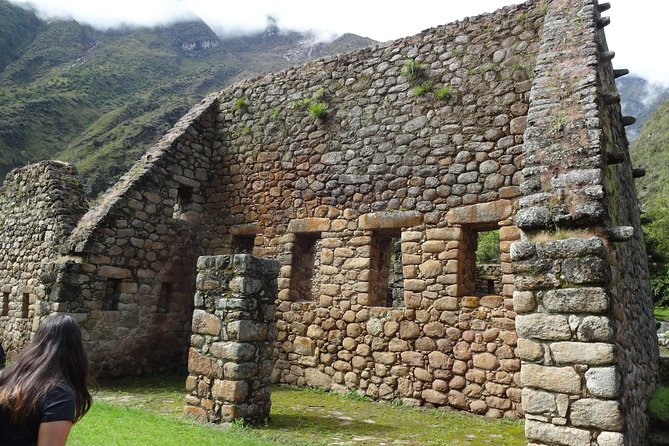
- Exploring the ancient Inca archaeological sites along the way, such as Runcuracay and Phuyupatamarca
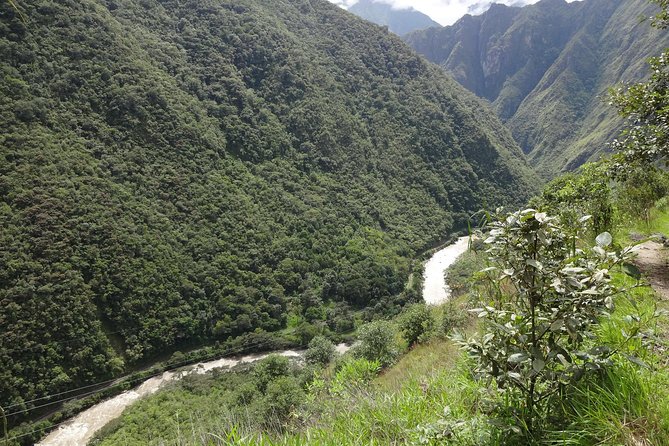
- Marveling at the stunning Andean mountain vistas and lush cloud forests
- Appreciating the exceptional support and service provided by the experienced guides and porters
- Feeling a sense of accomplishment upon reaching the Sun Gate and witnessing the majestic ruins of Machu Picchu.
Frequently Asked Questions
What Is the Best Time of Year to Trek the Inca Trail?
The best time to trek the Inca Trail is typically between April and October when the weather’s dry. Hikers should book months in advance as permits are limited and the trail’s closed for maintenance in February.
Can I Hike the Trail Independently Without a Guide?
No, travelers can’t hike the Inca Trail independently without a guide. The Peruvian government requires all hikers to be part of an organized tour group with authorized guides to access the trail and Machu Picchu site.
What Is the Average Group Size for the Guided Trek?
The guided Inca Trail treks typically have an average group size of 8-12 people. Group sizes can vary depending on the tour operator, but this range provides a manageable and intimate trekking experience for most travelers.
Are There Any Age or Fitness Requirements for the Trek?
The trek doesn’t have strict age or fitness requirements, but it’s physically demanding and not recommended for those with back problems. Trekkers should be prepared for steep ascents and descents over multiple days.
Can I Bring My Own Camping Gear Instead of Using the Provided Equipment?
Hikers can bring their own camping gear, but the provided equipment is generally included in the tour price. Using the tour’s gear simplifies logistics and ensures compatibility with the trail’s terrain and conditions.
The Inca Trail: 4-Day Trek to Machu Picchu
The Sum Up
The Inca Trail trek to Machu Picchu is a once-in-a-lifetime experience for adventurous travelers. Trekkers are rewarded with breathtaking Andean vistas, immersive cultural encounters, and the thrill of reaching the iconic Incan citadel. With careful planning and physical preparation, this challenging hike offers an unforgettable journey that leaves a lasting impression on all who undertake it.


