Japan’s Oshōgatsu, the unique and vibrant New Year celebration, is a captivating blend of centuries-old traditions and modern-day customs. From the meticulous preparation of symbolic decorations to the serene hatsumode rituals, this auspicious occasion offers a profound glimpse into the heart of Japanese culture. As families gather to indulge in the exquisite osechi-ryori feast and partake in time-honored activities, the true essence of renewal and hope radiates throughout the festivities.
Good To Know
-
Partake in centuries-old Oshōgatsu rituals that symbolize renewal, family unity, and cultural heritage, including decorating with kadomatsu and preparing symbolic osechi-ryori dishes.
-
Observe the hatsumode tradition of visiting shrines and temples on the first day of the new year to pray for good fortune and connect with the divine.
-
Engage in time-honored traditions like mochi-pounding and calligraphy workshops to deepen appreciation for Japan’s rich cultural legacy.
-
Embrace the festive atmosphere by dressing in traditional kimono and participating in celebratory activities that foster national unity and collective purpose.
-
Enjoy the meticulous preparation and planning that precedes the Oshōgatsu celebration, which marks a symbolic moment of renewal and hope.
Overview of the Japanese New Year Tradition and Culture
The Japanese New Year, known as Oshōgatsu, is a significant cultural celebration that marks the transition to the new year.
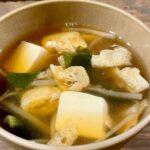
It’s steeped in rich traditions, from the decoration of the home with symbolic items like bamboo and plum blossoms to the consumption of traditional dishes like ozoni soup.
Oshōgatsu is a time for family gatherings, temple visits, and the exchange of New Year’s greetings.
The festivities last for several days, with the first three days being the most important.
During this time, the Japanese embrace the concept of "hatsuhinode," the first sunrise of the new year, as a symbol of renewal and hope.
You can also read our reviews of more tours and experiences in Tokyo.



Significance of the Festivity
While the Japanese New Year tradition holds deep cultural significance, it also serves as a symbolic moment of renewal and hope for the nation.
The festivities revolve around Shinto rituals, family gatherings, and shared optimism for the year ahead. Celebrated on January 1st, the new year is a time to reflect, purge negativity, and embrace fresh starts.
Visiting shrines, decorating homes, and exchanging traditional treats all carry profound meaning. More than just a holiday, it’s a chance for the Japanese people to reaffirm their identity, values, and connection to their heritage.
The event’s significance extends beyond individual enjoyment, fostering national unity and a sense of collective purpose.
Preparing for the Celebration
Preparations for the Japanese New Year celebration begin weeks in advance, as families meticulously plan and gather the necessary items.
Some key elements include:
-
Kadomatsu – These decorative pine and bamboo arrangements symbolize longevity, prosperity, and a warm welcome for the new year.
-
Mochi – The sticky rice cakes are a staple, with each family making their own unique flavors and shapes.
-
Osechi-ryori – The elaborate, multi-tiered boxes contain an assortment of symbolic, carefully prepared foods to usher in good luck.
With these traditional essentials in place, families eagerly await the arrival of the new year and the start of their cherished customs.
Visiting the Shrines and Temples
On the first day of the new year, Japanese people flock to their local shrines and temples to participate in the centuries-old tradition of hatsumode.
This annual pilgrimage is a time to pray for good luck, health, and prosperity in the coming year. Visitors line up to ring the temple bells, make offerings, and write their wishes on small wooden plaques called ema.
The atmosphere is one of reverence and excitement as people seek to connect with their cultural heritage and the divine.
Partaking in hatsumode is a cherished way to welcome the new year in Japan.
Participating in Traditional Activities
After visiting the shrines and temples, participants enthusiastically engage in a variety of traditional activities to usher in the new year.
The event offers:
-
Mochi-pounding: Guests take turns using wooden mallets to pound sticky rice into the perfect, chewy mochi.
-
Calligraphy workshop: Expert calligraphers guide participants in creating their own traditional New Year’s calligraphy.
-
Kimono dressing: Assistants help guests don elegant kimonos, providing an authentic Japanese cultural experience.
These activities immerse attendees in the customs and celebrations of the Japanese New Year, fostering a deeper appreciation for the country’s rich heritage.
- Teamlab Planets Tokyo: Digital Art Museum Entrance Ticket
★ 4.6 · 9,779 reviews - Tokyo: Sumo Show Experience With Chicken Hot Pot and a Photo
★ 4.8 · 6,678 reviews - Tokyo: Mt. Fuji, Hakone, Lake Ashi Cruise and Bullet Train
★ 4.4 · 5,024 reviews - From Tokyo: Mt. Fuji Full-Day Sightseeing Trip
★ 4.5 · 4,970 reviews - Tokyo: Hop-On Hop-Off Sightseeing Bus Ticket
★ 3.9 · 4,207 reviews - Tokyo Tower: Admission Ticket
★ 4.6 · 3,661 reviews
Experiencing the Culinary Delights
As guests explore the unique Japanese New Year tradition, they are treated to an array of delectable culinary delights. From free-flowing sake and beer to an assortment of Japanese snacks, the experience caters to a variety of tastes.
| Beverage Offerings | Savory Snacks |
|---|---|
| Sake | Edamame |
| Beer | Fried Chicken |
| Soft Drinks | French Fries |
The combination of traditional Japanese flavors and festive beverages creates a lively and immersive atmosphere, allowing participants to fully embrace the spirit of the New Year celebration.
Embracing the Festive Atmosphere
Although the festive atmosphere is palpable, the true essence of the Japanese New Year tradition lies in the reverence and respect shown towards the shrines.
Visitors can:
- Partake in the ritual cleansing by washing their hands and mouths at the purification fountains.
- Toss coins into the offertory box, make a silent prayer, and pull a fortune slip.
- Admire the ornate architecture and intricate details that embody the cultural heritage.
This spiritual connection creates a sense of wonder and appreciation that transcends the revelry, allowing participants to fully embrace the significance of the New Year celebration.
Reflecting on the Cultural Insights
Participating in the Japanese New Year tradition offers visitors a unique opportunity to gain cultural insights beyond the festive atmosphere.
Observing the rituals and practices at the shrines provides a glimpse into the spiritual significance of this celebration. Guests can learn about the symbolism behind the New Year’s decorations, the importance of purification, and the reverence for ancestral spirits.
Engaging with locals further enriches the experience, allowing travelers to understand the deep-rooted traditions that shape the Japanese society.
This immersive cultural exploration cultivates a profound appreciation for the enduring legacy of Japan’s New Year celebrations.
Frequently Asked Questions
What Is the Dress Code for the Event?
The dress code for the event is not explicitly stated in the provided information. However, it’s generally recommended to dress comfortably and wear appropriate attire for visiting shrines and participating in traditional Japanese cultural activities.
Can I Bring My Own Food and Drinks?
The event doesn’t allow bringing your own food or drinks. Free-flowing alcoholic beverages like sake and beer, as well as snacks like edamame and fried chicken, are provided as part of the experience.
Are There Any Age Restrictions for Participants?
There are no age restrictions for this event. The inclusion details indicate that free-flow alcoholic beverages like sake and beer are provided, along with soft drinks for underage participants.
Are There ATMS Available at the Event Location?
There are no details provided about ATMs being available at the meeting point of Ōji Station. Travelers should plan to bring any necessary cash or use credit/debit cards for purchases during the event.
Can I Extend My Stay After the Event Concludes?
Travelers can extend their stay after the event concludes, but must make their own arrangements. The tour concludes back at the meeting point, and the host doesn’t provide any assistance with extending one’s visit.
Celebrate Unique Japanese New Year Tradition Culture Festivity
The Sum Up
Celebrating Oshōgatsu, the Japanese New Year, is a captivating cultural experience. Families honor traditions, gather for symbolic feasts, and visit shrines, fostering a sense of renewal and community. Through engaging in time-honored activities, one gains a deeper appreciation for Japan’s rich heritage. Oshōgatsu’s festive atmosphere and cherished customs make it a truly unique and auspicious celebration.