Nestled in the heart of Tokyo’s vibrant Asakusa district, Senso-ji Temple stands as a testament to Japan’s enduring faith and resilience. For over 1,400 years, this iconic Buddhist sanctuary has captivated visitors from around the world, inviting them to explore its rich history, architectural wonders, and time-honored rituals. From the iconic Kaminarimon Gate to the sacred Hozomon, each corner of this hallowed ground holds the power to transport you back in time and uncover the profound spiritual essence that permeates its very foundations.
Key Points
- Explore the legendary history of Senso-ji Temple, founded in 628 AD after the discovery of a Kannon statue and becoming a renowned pilgrimage site.
- Admire the architectural marvels of the temple, including the iconic Kaminarimon Gate and the intricate main hall with Buddhist and Shinto influences.
- Engage in time-honored rituals and traditions, such as purifying oneself at the Nitenmon Gate, seeking wisdom through omikuji fortune slips, and offering incense.
- Witness the divine presence of the Asakusa Kannon Bodhisattva, the spiritual centerpiece of the temple, and seek enlightenment, good fortune, and inner peace.
- Navigate the vibrant Asakusa neighborhood surrounding the temple, with its bustling Nakamise shopping street, charming alleyways, and mix of ancient landmarks and modern conveniences.
Exploring the Legendary History of Senso-ji Temple
Although Senso-ji Temple has stood for over 1,400 years, its history is nothing short of legendary.
Legend has it the temple was founded in 628 AD when two fishermen discovered a statue of the Buddhist goddess Kannon in the Sumida River. The temple soon became a popular pilgrimage site, attracting worshippers and the powerful alike.
Over the centuries, it has endured fires, wars, and even bombings, but it has always been rebuilt, symbolizing the resilience of the Japanese people.
Today, Senso-ji remains one of Tokyo’s most iconic landmarks, a testament to the enduring faith and traditions of Japan.
You can also read our reviews of more tours and experiences in Tokyo.



Architectural Marvels and Symbolic Significance
As visitors approach the iconic Senso-ji Temple, they’re immediately struck by its architectural grandeur and symbolic significance.
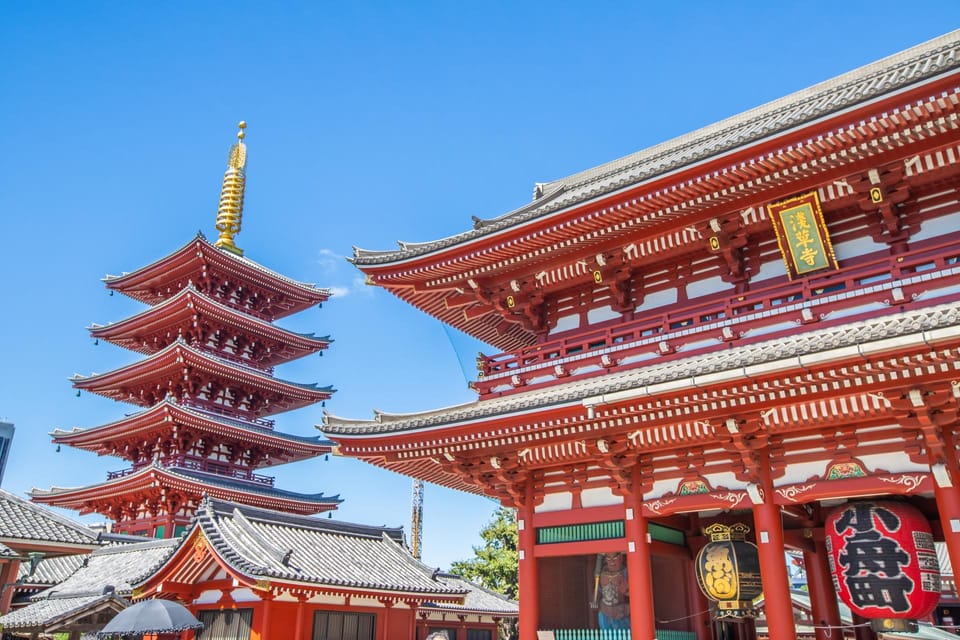
The temple’s centerpiece is the massive Kaminarimon, or "Thunder Gate," adorned with a colossal paper lantern. Beyond the gate lies the Hozomon, a two-story structure housing the temple’s sacred treasures.
At the heart of the complex stands the main hall, a magnificent structure draped in intricate carvings and adorned with golden statues.
The temple’s design reflects the blending of Buddhist and Shinto influences, creating a harmonious and visually stunning environment that has captivated worshippers for over 14 centuries.
Rituals, Traditions, and Spiritual Practices
Visitors to Senso-ji Temple enjoy a rich tapestry of rituals, traditions, and spiritual practices that have endured for over 14 centuries.
-
Upon entering the temple, guests often purify themselves by passing through the Nitenmon Gate and cleansing their hands and mouths with the sacred spring water.
-
Inside, they may seek wisdom and good fortune by drawing an "omikuji" fortune slip, offering incense, and observing the rituals performed by the temple priests.
These time-honored customs allow visitors to connect with the temple’s profound spiritual heritage and seek blessings for their lives.
The Asakusa Kannon Bodhisattva and Its Divine Presence
The Asakusa Kannon Bodhisattva, a magnificent gilded statue, is the iconic spiritual centerpiece of Senso-ji Temple. It’s believed the statue was miraculously discovered in the nearby Sumida River in the 7th century. Visitors can witness the divine presence of the Bodhisattva, an avatar of the Buddhist goddess of mercy, through various rituals and offerings.
| Offerings | Significance |
|---|---|
| Incense | Purification and meditation |
| Omikuji | Fortune-telling scrolls |
| Prayers | Seeking guidance and blessings |
The Asakusa Kannon’s divine grace is revered by devotees, who come to Senso-ji in search of spiritual enlightenment, good fortune, and inner peace.
Navigating the Vibrant Asakusa Neighborhood
How does one navigate the vibrant Asakusa neighborhood? The area around Senso-ji Temple is bustling with energy, from the lively Nakamise shopping street to the historic Kaminarimon Gate.
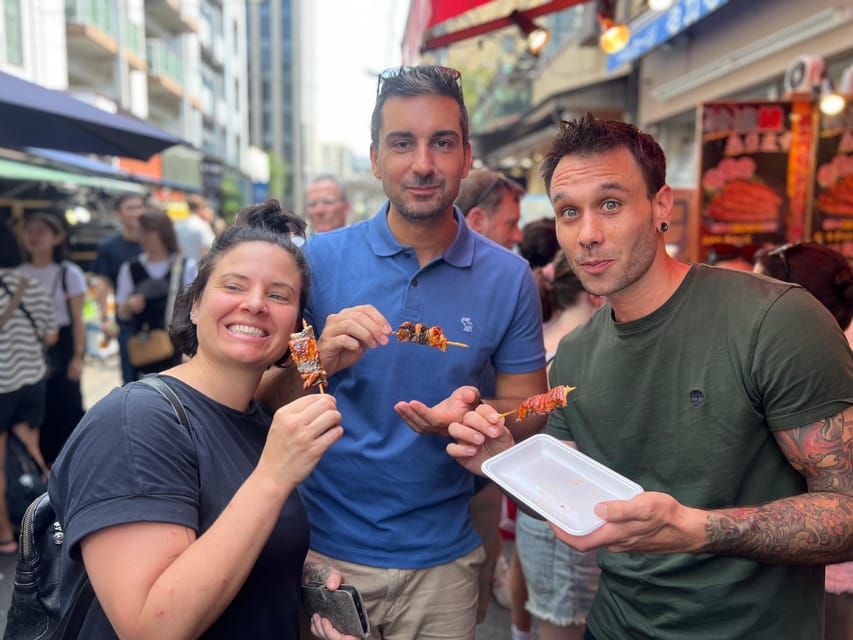
Visitors can stroll along the charming alleyways, sampling local street food, browsing traditional shops, and soaking in the cultural atmosphere.
To make the most of the experience, travelers should be prepared to navigate crowds and be mindful of their surroundings.
With its mix of ancient landmarks and modern conveniences, Asakusa offers a truly immersive glimpse into the heart of traditional Tokyo.
- From Tokyo: Mt. Fuji Full-Day Sightseeing Trip
★ 4.5 · 4,970 reviews - Tokyo: Hop-On Hop-Off Sightseeing Bus Ticket
★ 3.9 · 4,207 reviews - Tokyo Tower: Admission Ticket
★ 4.6 · 3,661 reviews - Tokyo: DisneySea 1-Day Passport
★ 4.5 · 2,726 reviews - Tokyo: Mount Fuji and Lake Kawaguchi Scenic 1-Day Bus Tour
★ 4.4 · 2,682 reviews - Tokyo Disneyland 1-Day Passport
★ 4.6 · 2,512 reviews
Sensory Delights and Cultural Immersion
What awaits visitors as they step through the grand Kaminarimon Gate is a feast for the senses. The air is thick with the scent of incense, and the sound of bells and chanting fills the air.
Colorful omikuji fortunes and trinkets beckon from stalls lining the streets. Pilgrims and travelers alike purify themselves at the Temizuya water fountain, then proceed to the main hall to offer prayers and light candles.
Throughout the temple complex, the faithful engage in rituals, seeking spiritual renewal and connection to the divine. It’s an immersive cultural experience, a glimpse into Japan’s enduring Buddhist traditions.
Capturing the Essence of Senso-ji in Photographs
As visitors enjoy the sensory delights of Senso-ji Temple, capturing the essence of this iconic landmark through photography becomes a captivating endeavor.
-
The intricate architecture and vibrant colors of the temple’s structures offer a wealth of photographic opportunities.
-
Navigating the bustling Nakamise-dori shopping street, with its array of traditional Japanese crafts and snacks, provides a dynamic backdrop for candid shots.
-
Framing the majestic Kaminarimon gate, with its towering lanterns and mythical guardian figures, allows for powerful, awe-inspiring compositions.
Frequently Asked Questions
Can I Bring My Own Snacks and Drinks on the Tour?
You can bring your own snacks and drinks on the tour, but they are not included in the tour price. The guide fee, incense fees, and omikuji fee are covered, but food and drink are not provided.
Do I Need to Bring Any Special Equipment or Clothing?
No special equipment or clothing is required. Comfortable walking shoes and weather-appropriate attire are recommended. The tour is suitable for all visitors, including those with accessibility needs.
Is There an Option for a Shorter or Longer Tour Duration?
There’s no mention of different tour durations. The tour overview only provides details about the standard private tour option. Guests should inquire with the tour provider if they’re interested in a shorter or longer experience.
Can I Purchase Souvenirs or Gifts at the End of the Tour?
Yes, visitors can purchase souvenirs and gifts at the end of the Senso-ji Temple tour. The tour concludes at the Kaminari mon gate, where there are numerous shops and stalls selling traditional Japanese souvenirs and crafts.
Is There an Option to Customize the Tour Itinerary to My Preferences?
Yes, the tour allows some customization to suit your preferences. You can discuss options with the guide, such as spending more time at certain sites or incorporating personal interests, within the overall tour structure.
Senso-ji Temple Tour 1400 Years of Faith & Purification in Tokyo
Sum Up
Senso-ji Temple stands as a testament to Japan’s enduring spiritual heritage. Its centuries-old traditions and architectural wonders captivate visitors, inviting them to enjoy the tranquil atmosphere and vibrant Asakusa neighborhood. From the Kaminarimon Gate to the sacred rituals, this timeless destination offers a profound connection to the essence of Japanese culture, leaving an indelible mark on all who experience its timeless allure.