
If St. Mark’s Basilica has been free to walk into for the better part of a thousand years, why does the queue start two hours before the doors open?
It’s a fair question. And the answer turns out to be more interesting than “it’s just popular.”
In a Hurry? My Top Picks
- Cheapest legitimate skip-the-line: Reserved entry with audio guide and Yard Gallery, about $23. You keep your own pace.
- Best guided option for the mosaics: Skip-the-line guided tour, about $33. 45 minutes inside with a guide who actually knows what you’re looking at.
- Premium combo with the bits most people miss: Legendary Venice with Terrace Access plus Doge’s Palace, about $76. Includes the loggia and the bronze horses.
The Free-But-Not-Free Thing, Explained
Here’s what trips up most first-time visitors. The basilica’s main nave has been free to enter for centuries. That hasn’t changed in spirit. What’s changed is the practical reality of getting in.
Since 2024, the diocese introduced a small reservation fee, a few euros, for tourists who want a guaranteed entry slot. You can still queue for free in the standard line if you’re determined, but during high season that line is genuinely brutal. The free-but-pay-to-skip pattern is the same one running at Sainte-Chapelle in Paris, where the stained-glass interior also rewards a timed entry over a queue. I watched it once in late June and it didn’t move for forty minutes. The reservation fee is the basilica’s way of metering the flow, and it’s the right call.
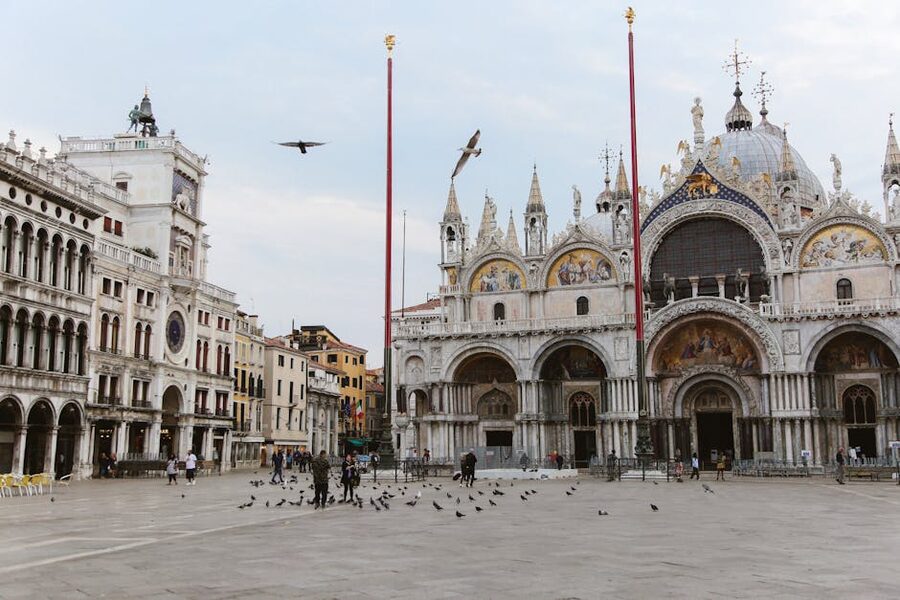
The other layer of confusion: the basilica is the free part. Everything inside the basilica that’s actually worth seeing (the Pala d’Oro, the upper Loggia with the bronze horses, the Treasury, the small museum upstairs) costs a few euros each. The same modular up-charge logic structures the visit at Sagrada Familia in Barcelona, where the towers and the audio guide each carry their own ticket on top of the base entry. None of them break the bank, but they add up. I’ll break those down in a minute.
What Each Ticket Actually Gets You
There are five separate things you can pay for at St. Mark’s. You don’t need them all. The trick is knowing which ones are worth it.
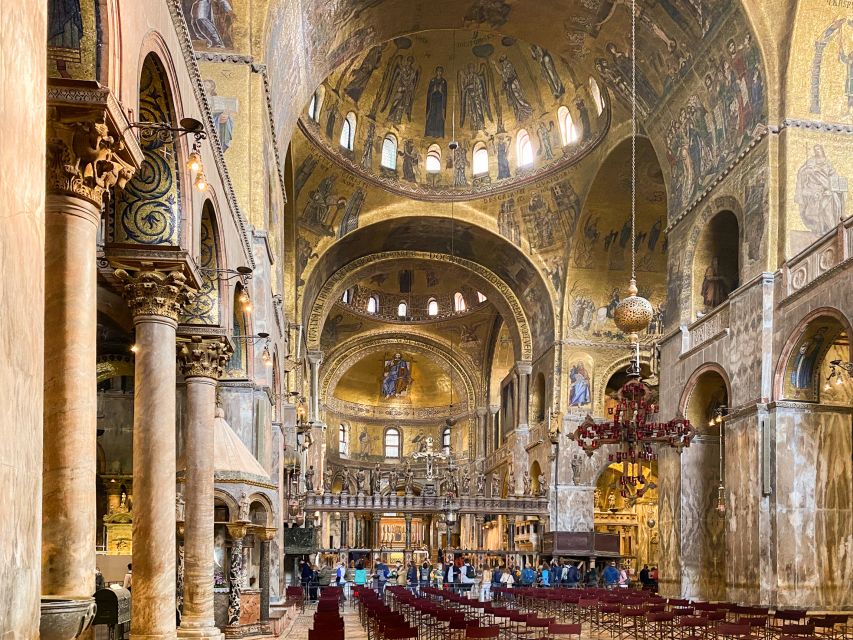
1. Basilica entry (the nave and main mosaics). The ground floor. The big golden ceiling. The atrium. This is the headline experience and it’s the cheapest. A few euros for the timed reservation, free if you queue. If you only do one thing, do this.
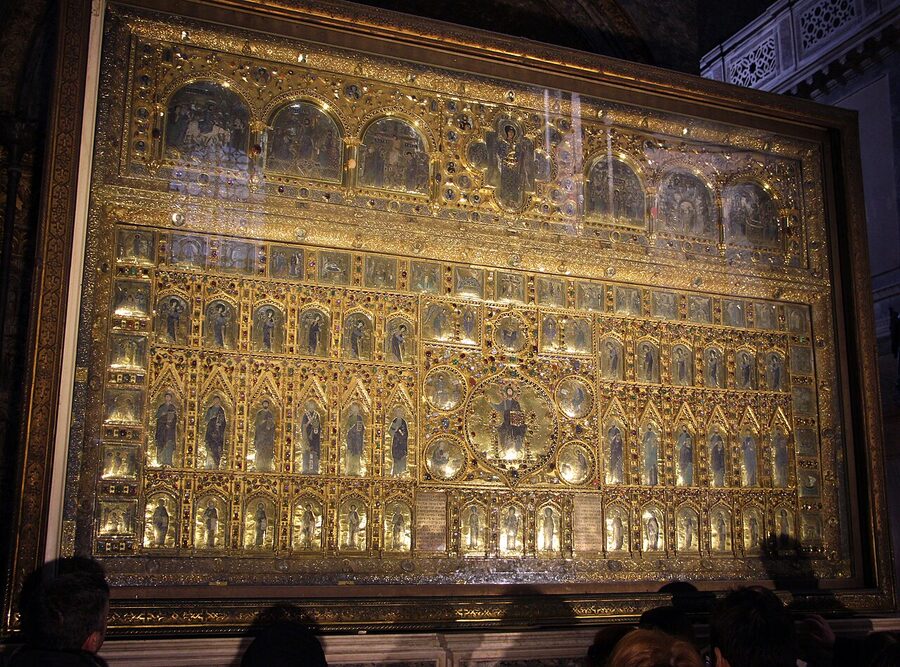
2. Pala d’Oro. Around 5 euros extra. This is the Byzantine altarpiece behind the high altar. Gold, enamel, gemstones, more than 250 inset panels. It’s roped off behind a small barrier, so you walk a short loop behind the altar to see it up close. Worth it if you care about Byzantine craftsmanship. Skip if you’re already short on time.
3. Treasury (Tesoro). A few euros. Reliquaries, silver, Byzantine objects looted from Constantinople in 1204. Niche interest. If you came to Venice mainly for art history, yes. If you came for the city, skip.
4. The Loggia and Bronze Horses (Museum upstairs). This is the one most visitors miss and most regret missing. You climb a steep staircase from the atrium to the upper level. Up there: the original bronze quadriga (the horses on the facade are replicas, you’ll meet them face to face inside), a museum of basilica fragments, and the outdoor loggia where you walk along the front of the building looking down at the piazza. Around 10 euros. The piazza view alone is worth it, and the climb-to-the-loggia ratio reads almost like the Arc de Triomphe rooftop in Paris, where the spiral stairs deliver the view a lot of visitors remember more than the monument itself.
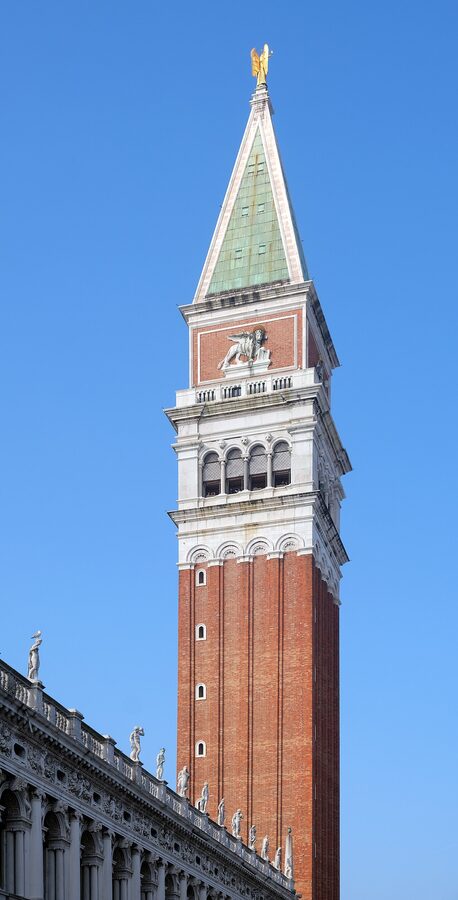
5. Bell Tower (Campanile). A separate ticket, separate building, separate queue. Around 15 euros. Lift to the top, panoramic view of the lagoon. Compare with the Giralda climb at Seville Cathedral, where the tower also sits on a separate ticket and is the part most visitors remember. Not technically inside the basilica but most visitors lump it in. If your budget allows, do it. If not, the Loggia view from the basilica’s upper level is almost as good and a lot cheaper.
Should You Get a Guide?
This is the main fork in the road. A self-guided audio entry costs about $23. A live-guided tour costs about $33-50. A guided combo with the Doge’s Palace runs $75-130.
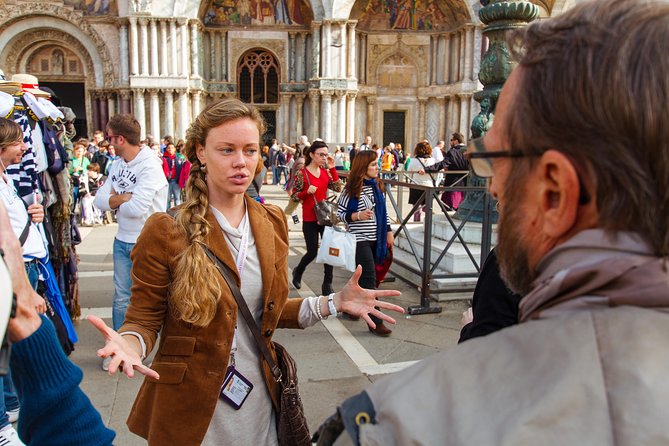
Here’s my take. The basilica rewards a guide more than most Venice attractions. There are 8,000 square metres of mosaics inside. Without context, it’s just a lot of gold. The same context-versus-room argument applies at the Rijksmuseum in Amsterdam, where the difference between a guided floor and a self-paced one is night and day for first-timers. With a guide, you actually start to read the ceiling. Which scenes are Genesis. Which are the Apostles. Which are the bizarre 13th-century Apocalypse panels. Forty-five minutes with someone who knows the iconography is the difference between “wow that was beautiful” and “wow that was beautiful, and now I know why.”
That said, audio guides are perfectly fine if you prefer your own pace. The basilica is small. You can do the whole thing in 35-45 minutes. Lingering longer doesn’t add much because your neck starts to hurt from looking up. For a comparable small-but-dense civic-religious interior elsewhere in Europe, see the way the Royal Palace in Amsterdam rewards a 40-minute audio loop and not much more.
The Best Tours to Book
Three picks across three price points. All three include skip-the-line entry, which on a busy day is the single biggest favour you can do yourself.
1. St. Mark’s Basilica Reserved Entry with Audio Guide and Yard Gallery: $23
This is the right pick if you want flexibility and you’re confident you can pace yourself. Our full review covers what’s actually on the audio track and where the yard gallery is hidden. The trade-off versus a guided tour: you save about $10 and you get to linger in the bits that interest you, but you also have to figure out the iconography on your own.
2. Skip-the-Line Guided Tour of the Golden Basilica: $33
The middle option, and the one I recommend most often. Forty-five minutes to an hour with a live guide, skip-the-line entry, plus access to the Museum and Terrace upstairs. Our review goes into the guide quality and the terrace access in detail. You’re paying about $10 over the audio version and getting a guide who can answer your questions and a pretty significant upper-level extra.
3. Legendary Venice: St. Mark’s Terrace Access plus Doge’s Palace: $76
The premium pick if you want both buildings handled in one shot. Our full review covers what’s included in the terrace upgrade: the upper-floor museum, the original bronze horses, and the loggia walk. If you’d rather lead with the palace itself, our Doge’s Palace guide compares the palace-led options. This one leads with the basilica and treats the palace as the second course.
When to Go (Hour by Hour)
Timing matters more here than at almost any other Venice attraction. Get this right and the basilica is a pleasure. Get it wrong and you’ll spend half your visit shuffling shoulder-to-shoulder under the central dome.
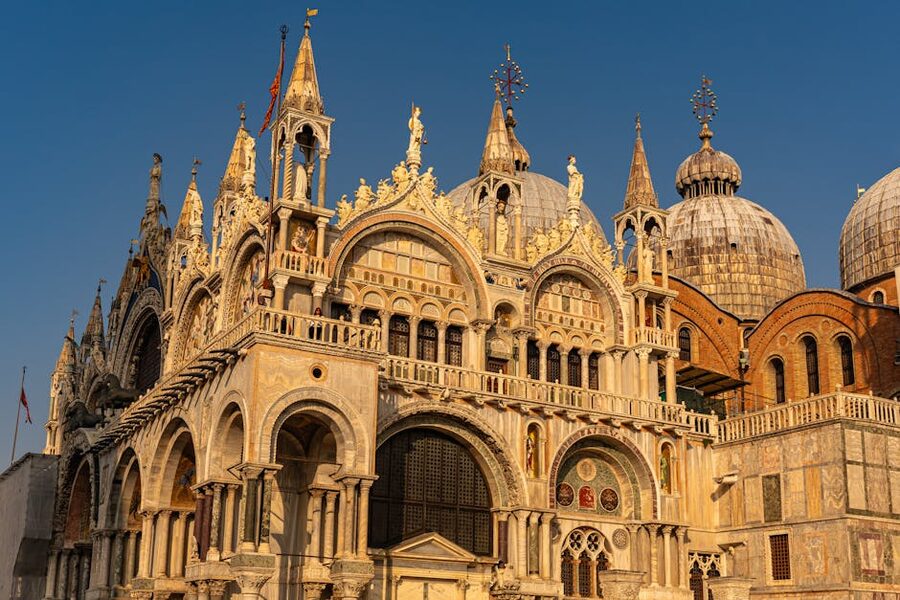
Opening (around 9:30am, later on Sundays). The first slot of the day is reliably the calmest. The basilica opens to tourists after morning Mass, so the doors typically swing wide around 9:30 weekdays. I’ve walked straight in at 9:35 in October with no queue at all. In peak August, the line still forms by 9:00 but moves fast.
Mid-morning to early afternoon (11am-3pm). The bad zone. Cruise day-trippers, tour group dump times, lunch-skippers. If you don’t have a reservation, this is the worst three hours of the day.
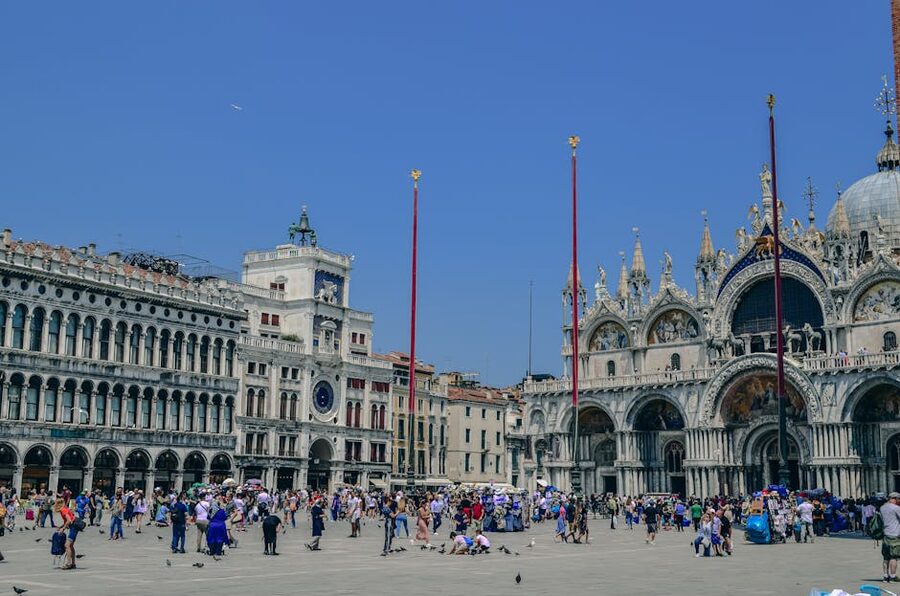
Late afternoon (4-5pm). The second sweet spot. Day-trippers are starting to head back to their boats. Lines shrink. Light hitting the gold mosaics through the upper windows is genuinely beautiful around this time, depending on the season.
Closing (closes around 5pm, sometimes earlier in winter). The basilica closes to tourists earlier than most Venice attractions. Don’t show up at 4:50 expecting to get in. Last entry is typically 30 minutes before closing.
One thing to know: the basilica is closed to tourists during major religious services, particularly Sunday mornings until early afternoon. If your only day in Venice is a Sunday, plan for an afternoon visit and book a slot.
The Dress Code Is Real and It’s Enforced
This catches people out. St. Mark’s is an active cathedral, and they take the dress code seriously. Shoulders covered. Knees covered. No bare midriffs, no transparent tops, no beachwear. They will turn you around at the door and you’ll have wasted your booked slot.
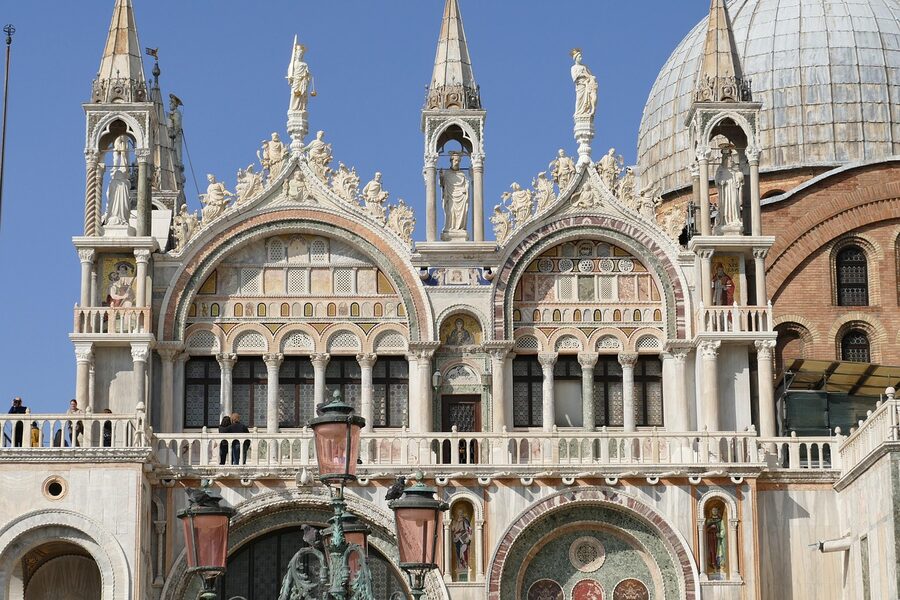
If you’ve forgotten and you’re already there, the small shops on the south side of the piazza sell cheap cotton scarves for 5-10 euros. They’re designed exactly for this. Wrap one around bare shoulders, you’re in.
Also worth mentioning: large bags get refused. There’s a free luggage deposit just around the corner on Calle San Basso, signposted from the basilica entrance. Phones are fine, daypacks are usually fine, full backpacks no.
What to Look For Once You’re Inside
Most people walk in, look up, walk in a slow loop, and walk out. They miss the best stuff. Here’s what I tell friends to find.
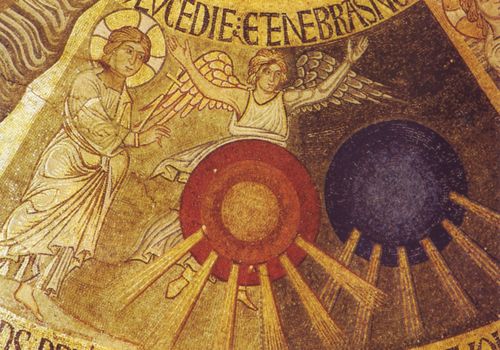
The atrium ceiling, before you walk in. Don’t rush past the entrance. The barrel-vaulted ceiling above you in the porch is covered in Genesis stories: Adam, Eve, Noah, the Tower of Babel. They’re 13th-century. The Cupola of Genesis above your head is the masterpiece of the lot.
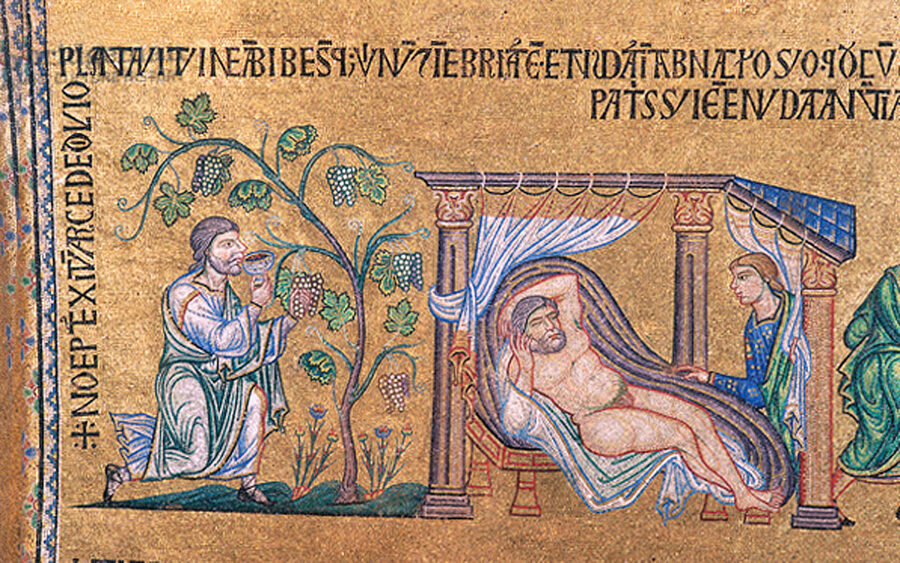
The Pentecost dome (first dome inside). The first big dome you walk under shows the Apostles receiving the Holy Spirit as tongues of flame. It’s bright, gold-heavy, and the figures stare straight down at you. The dome is sometimes called the Dome of the Holy Spirit.
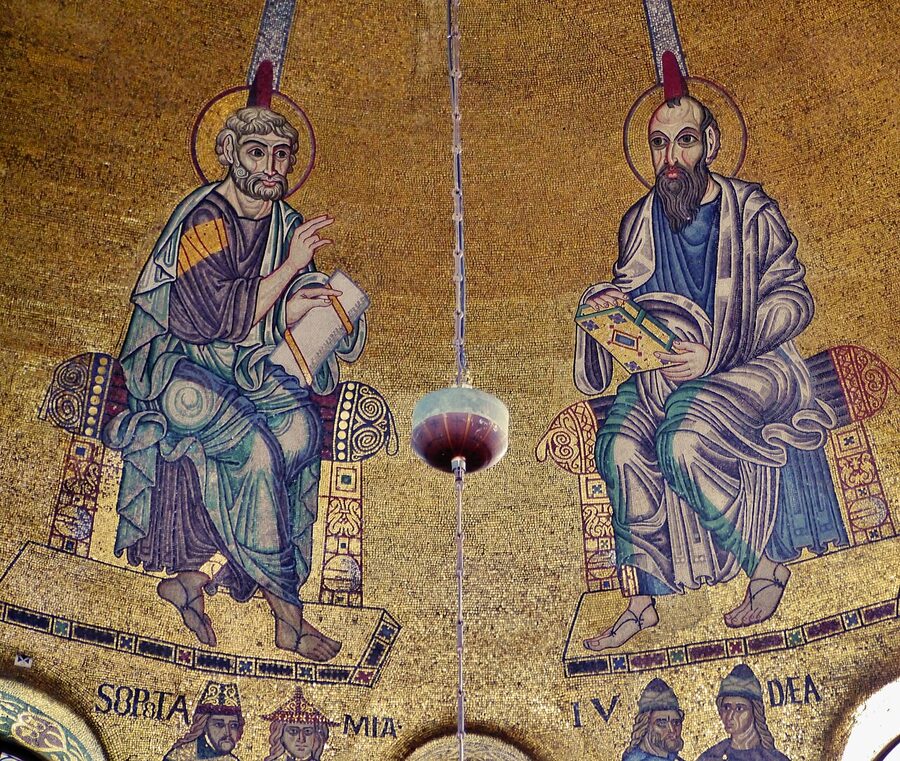
The Ascension dome (the central one, biggest). Christ in the centre, surrounded by angels and the four Evangelists. This is the showpiece dome, the one most people associate with the basilica. It’s the largest interior space and the gold here is overwhelming.
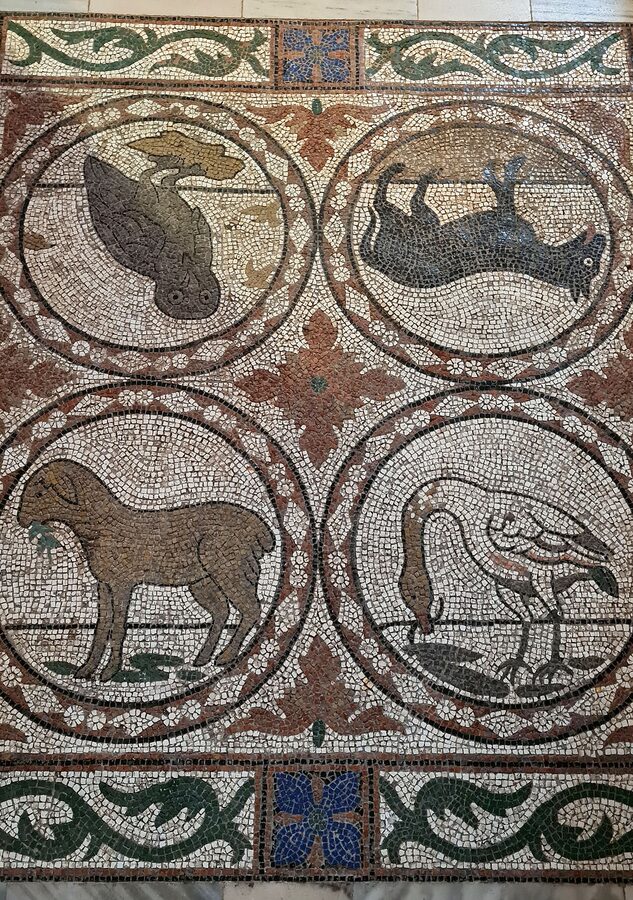
The pavement. Look down occasionally. The marble floor is medieval, geometric, and uneven (Venice is sinking and the floor has waves in it). Most visitors stare at the ceiling and miss this entirely.
The Altar of the Sacrament. Tucked off to the side, often quiet, with mosaics that don’t get the attention they deserve.
Why the Basilica Looks Like That
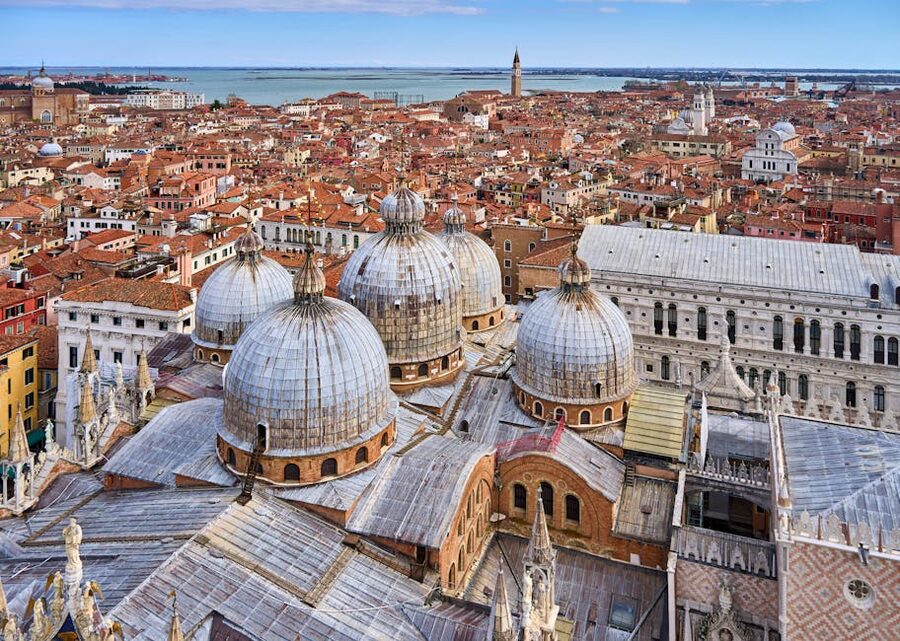
If you’ve seen the Florence Duomo or St. Peter’s in Rome, St. Mark’s looks like it’s from a different planet. That’s because it sort of is.
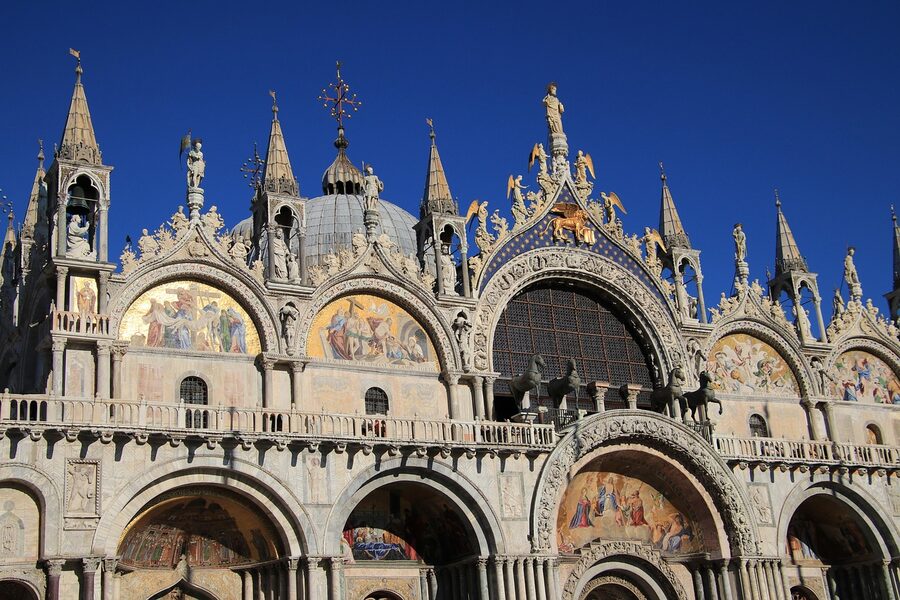
The basilica was built between 1063 and 1094 to house the relics of St. Mark the Evangelist, which Venetian merchants had smuggled out of Alexandria, Egypt, in 828. Supposedly hidden under layers of pork to dissuade Muslim customs officials from inspecting the cargo. The Venetians, never short on civic pride, made Mark the patron saint of the Republic and built him a church to match.
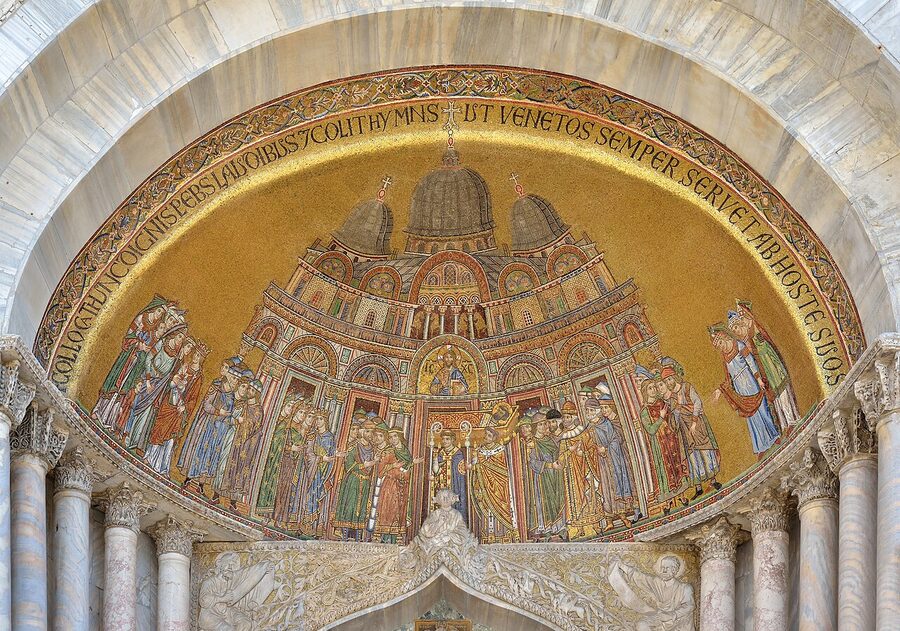
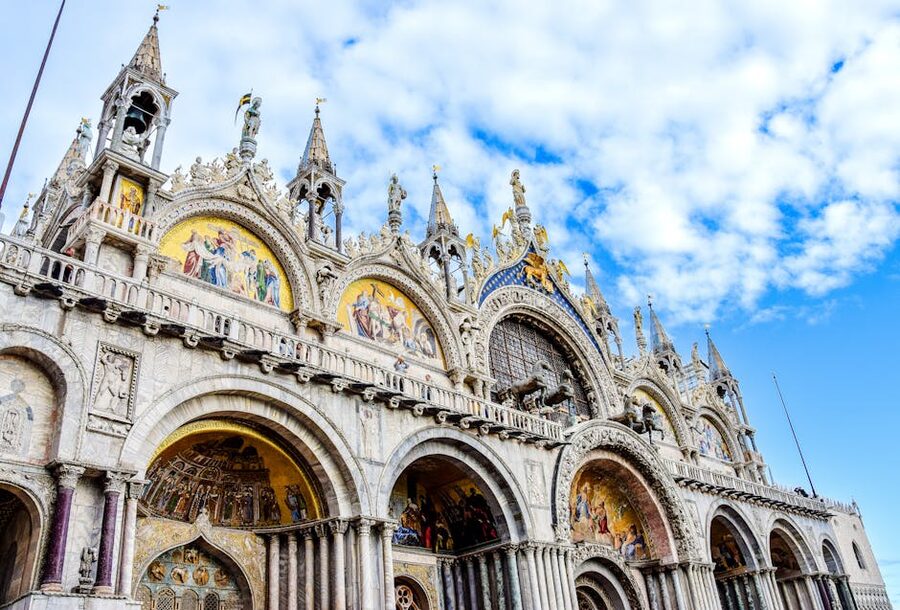
The architectural template was Byzantine. Five domes on a Greek cross plan, exactly like Constantinople’s Church of the Holy Apostles (which was demolished by the Ottomans in 1461, making St. Mark’s one of the closest surviving examples of that style). The facade got Gothic and Renaissance additions over the centuries, which is why it looks like architectural fan fiction. Pointed arches stacked over Byzantine arches stacked over Roman columns.
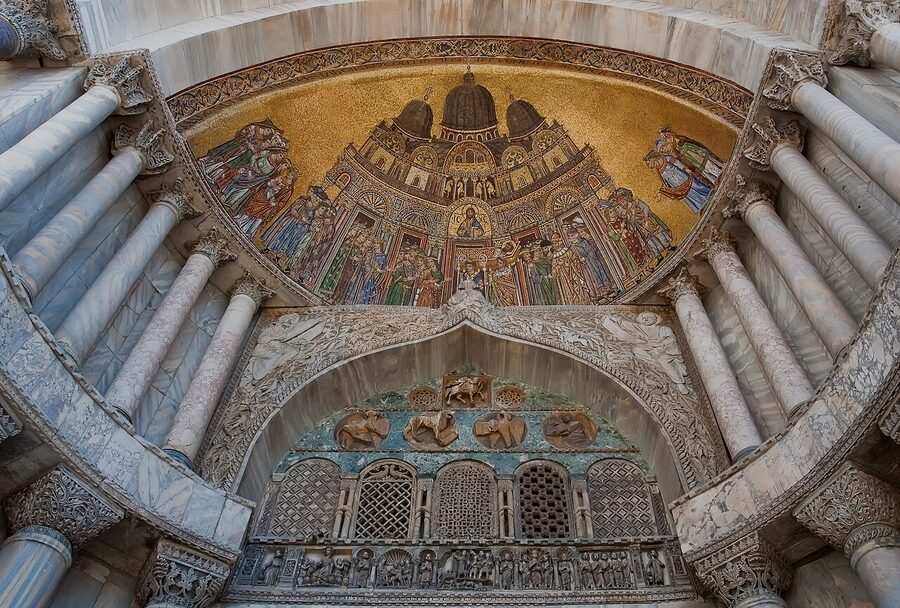
Most of the mosaics inside took 200 years to install. Each square metre is roughly 50,000 individual tesserae. Multiply that by 8,000 square metres. The figure that gets thrown around is 400 million tiles. Whether or not the count is exact, it’s the kind of building you can’t really finish in one visit.
The Bronze Horses Are Worth the Climb
Not enough people pay for the upper-level Museum, and they’re missing the basilica’s best detail.
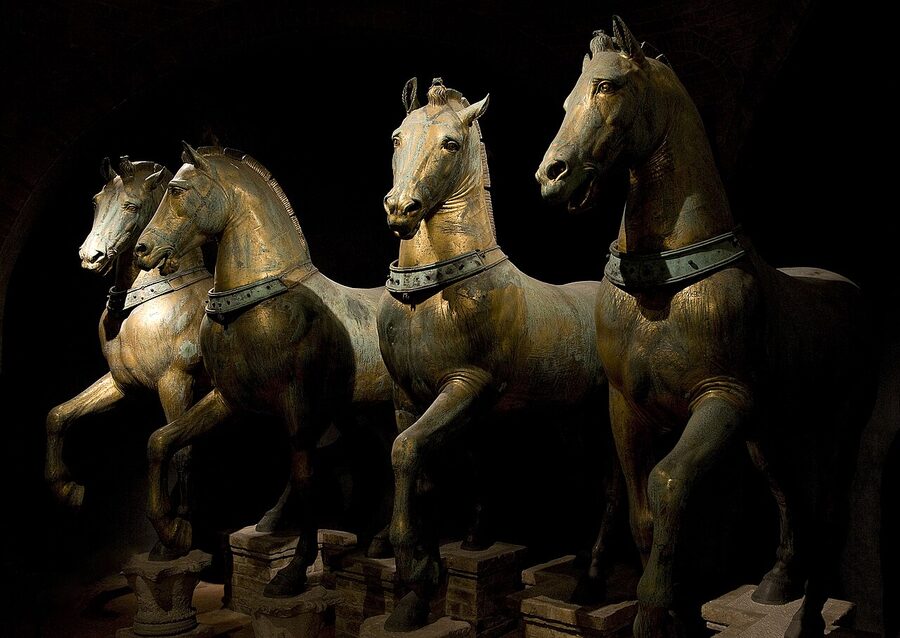
The four gilded bronze horses on the front of the basilica are copies. The originals are upstairs, climate-controlled, and you can stand right next to them. They’re 2nd-century, almost certainly Greek, and the only surviving four-horse classical sculpture group in the world. Napoleon stole them in 1797 and put them on top of the Arc du Carrousel in Paris. They were returned in 1815. Then they sat outside on the loggia until pollution in the 1980s forced the museum move.
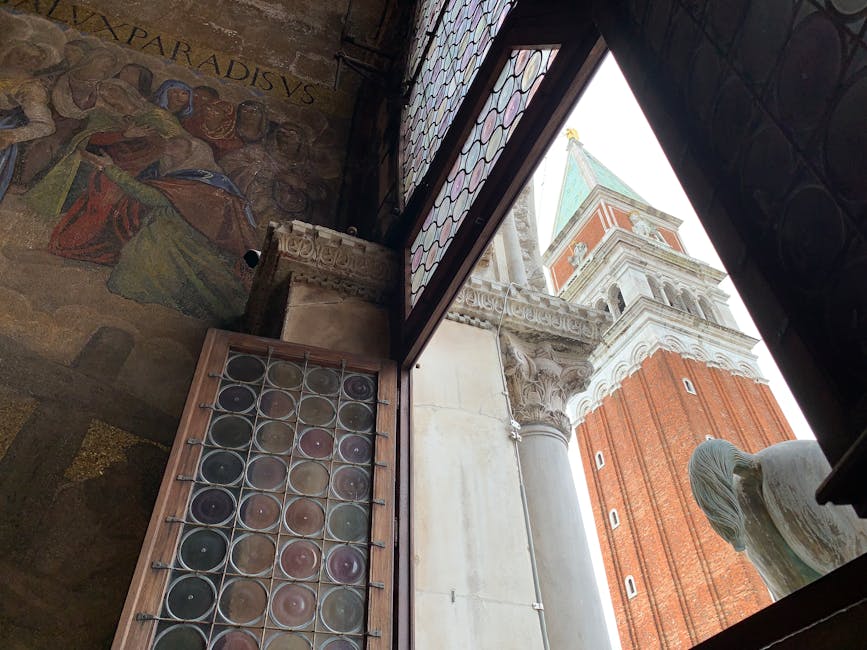
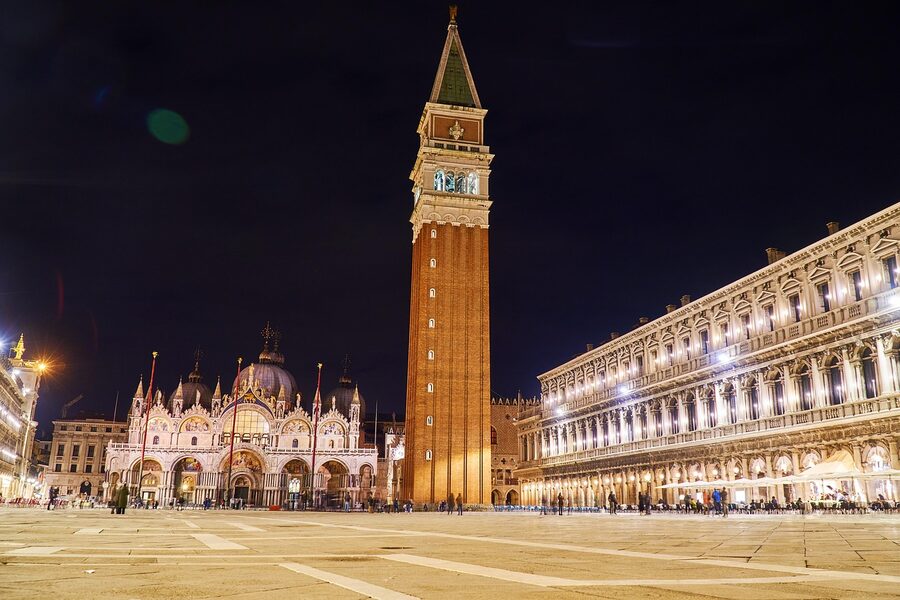
The Museum ticket also gets you onto the outdoor loggia, where the replicas live. From up there, you’re looking straight down the Piazza San Marco at the bell tower, and across to the Doge’s Palace. It’s the best free-ish view in Venice if you discount the bell tower’s paid view (and the loggia is included with your basilica upper-level ticket, so it’s not really extra).
How St. Mark’s Compares to Italy’s Other Big Basilicas
If you’re doing more than one Italian church on this trip, it helps to know what’s different about each. St. Mark’s is the smallest, the densest, and the most overwhelming visually. The mosaics make it.
St. Peter’s in Rome is the opposite. Vast, white, marble, Renaissance-classical. You feel small in St. Peter’s; you feel buried in gold in St. Mark’s. St. Peter’s is also free to enter, but the dome climb is the equivalent paid extra. The mechanics are very similar. You’re paying for the upper-level access, not the building itself.
The Pantheon in Rome is the closest comparison in spirit. Free for centuries, recently introduced a small entry fee, with a paid timed-slot option to skip the queue. Same model as St. Mark’s, basically.
The Florence Duomo is structurally similar in the sense that the cathedral itself is free but everything good (the dome climb, the baptistery, the museum) is paywalled. If you’ve worked out how to navigate the Florence cathedral complex’s combo tickets, St. Mark’s is mercifully simpler. There’s no single combined pass. You just decide on the day which extras you want.
Practical Logistics
A few things that aren’t obvious until you’re there.
Photography. No flash, no tripods, but phones are fine. The interior is darker than you’d expect because the gold mosaics need careful lighting to read properly. Most casual phone shots come out muddy. If you care, switch your phone to night mode and brace your elbow against a column.
Audio guides. If your tour ticket includes one, it’s usually a downloadable app. Bring your own headphones. The ones they hand out are the cheap white plastic kind and Venice’s wifi is unreliable enough that you don’t want to rely on streaming.
Wheelchair access. Yes, but limited. The main nave is accessible. The upper Museum and Loggia involve a steep narrow staircase with no lift. The bell tower has a lift. Plan accordingly.
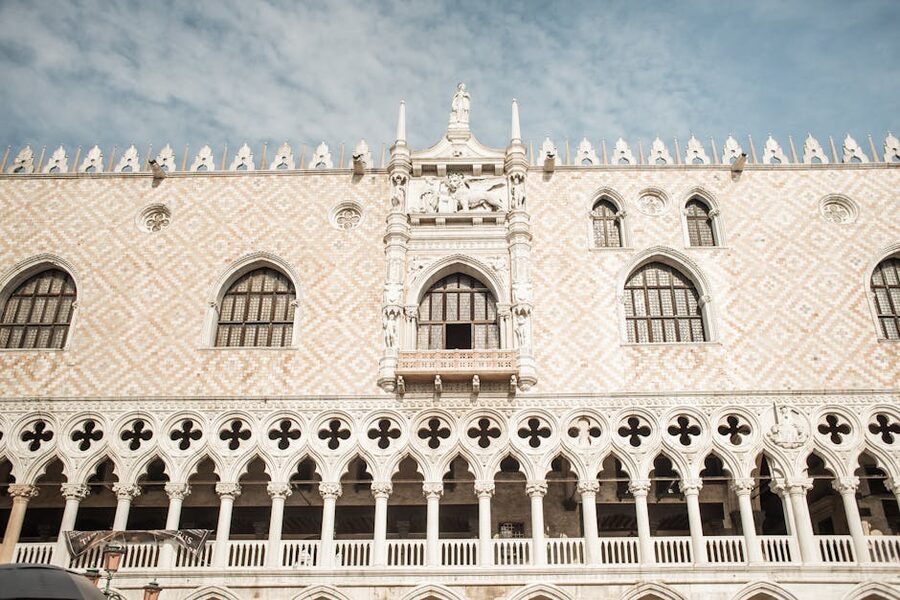
Combining with the Doge’s Palace. The two buildings share a wall. Most combo tours do them in sequence: basilica first, then palace. If you’re booking separately, allow at least 90 minutes between time slots. The palace is a lot bigger and you’ll want time. Our Doge’s Palace guide covers the palace timings in detail.
Combining with the islands. If you’ve got a half-day for the basilica and a half-day to spare, the boat trip to Murano, Burano and Torcello is the natural pair. Basilica in the morning, vaporetto to the islands after lunch.
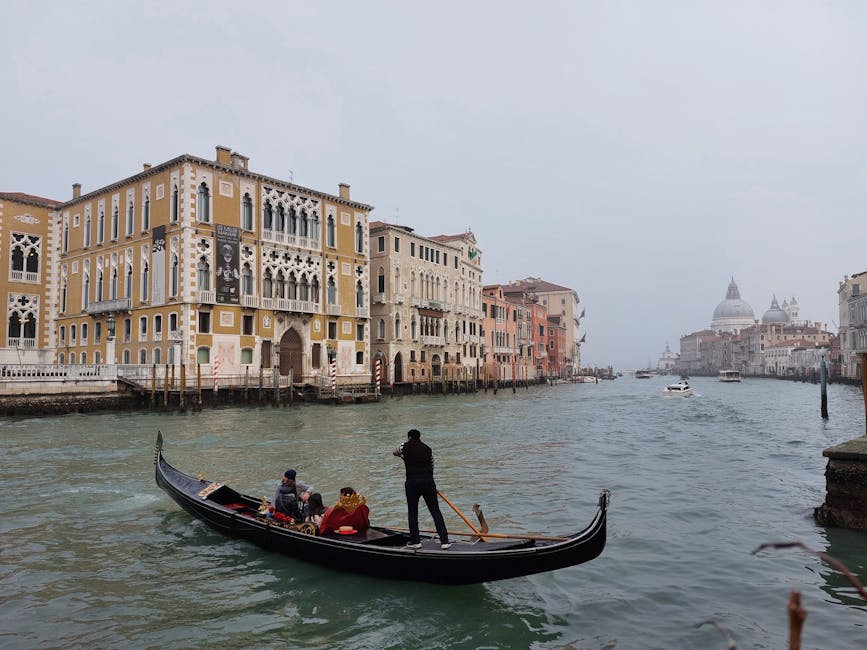
The gondola question. Yes, do one. No, not from the San Marco gondola stand right outside (the most expensive in Venice). Walk five minutes inland for a cheaper, quieter ride. Our gondola guide goes into where to get on and how to avoid the bait-and-switch routes.
One More Thing About the Free Entry
If you absolutely will not pay the few-euro reservation fee, here’s the trick. The free walk-in queue moves fastest in the first hour after opening on weekdays, and again in the last 30 minutes before closing. Avoid Sundays, avoid holidays, and avoid anything that says “cruise day” on the Venice Port schedule. With those constraints, you can still walk in for free. You just have to be willing to plan around the basilica rather than fitting it around your day.
If You’re Building Out a Venice Day
The basilica is a 60-90 minute experience including the Loggia, less without. That leaves time. The natural pairings are the Doge’s Palace next door, the island boat trip if the weather’s cooperating, and an evening at La Fenice if there’s anything on. A gondola after dinner closes the day out nicely. Don’t try to do all of it in one day. Pick three.
One thing the Venice batch should make clear: most of the city’s top sights are clustered within a 10-minute walk of the basilica. You don’t need to schlep across the lagoon for any of it. Stay near San Marco, get up early, do one big thing per half-day, eat lunch at a cicchetti bar, and you’ve cracked the city.