
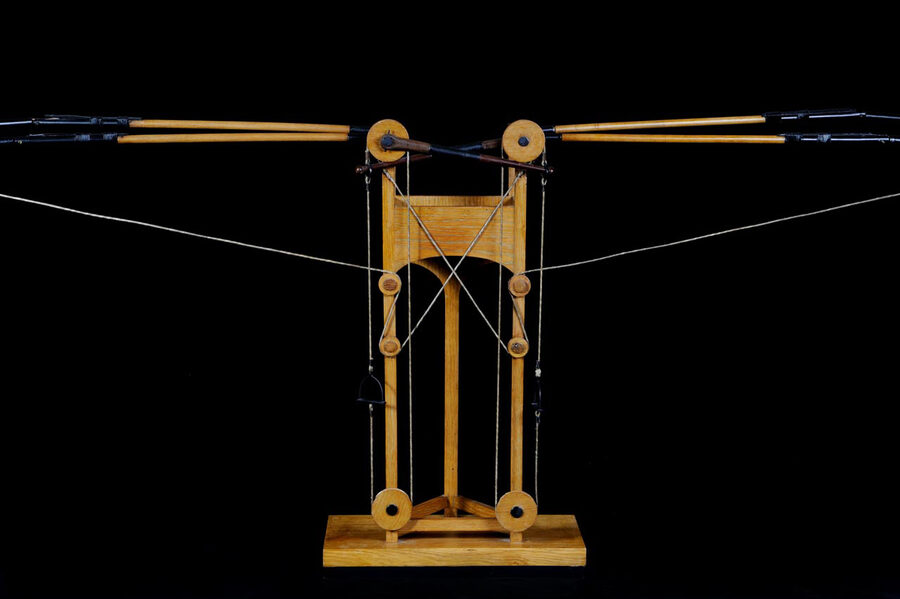
You know you’re in the right place when a 9-year-old is cranking a hand-pulley and the wooden wings of a Renaissance flying machine, taller than her dad, start beating slowly above her head. The interactive-machine instinct is exactly what powers the NEMO Science Museum in Amsterdam: same trust that visitors will respect a working exhibit. The wings are oak and canvas. The pulleys squeak. The whole rig is built to a 1490s sketch from one of Leonardo’s notebooks. And nothing on the museum floor stops a curious kid from giving it a turn.
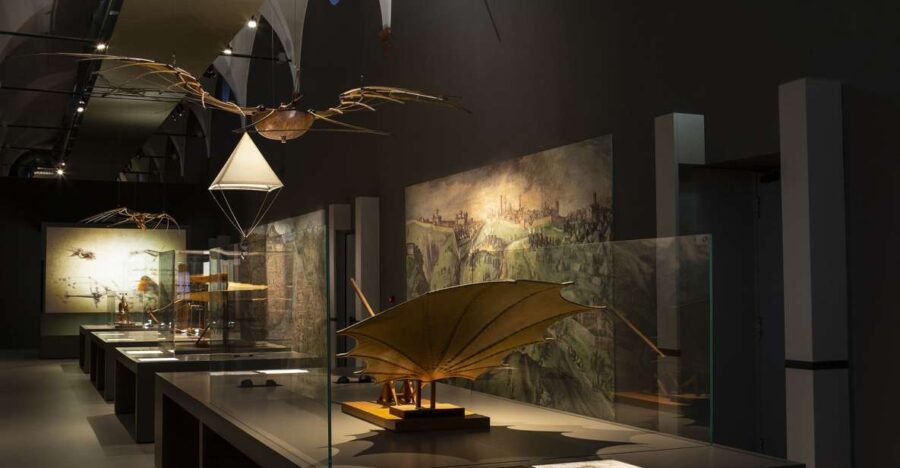
This is the Galleria Leonardo da Vinci inside the Museo Nazionale della Scienza e della Tecnologia, Italy’s biggest science museum and the place where Leonardo’s drawings were taken seriously enough to be built. Leonardo’s built legacy survives elsewhere in Europe too: the double-helix staircase at Chambord Castle in the Loire is widely attributed to him, even if no notebook page ties it directly to his hand. Not painted, not framed. Built. About 170 reconstructions, all working models, in a 1,300 square metre hall that opened in late 2019 inside a 16th-century monastery complex on Via San Vittore.
In a hurry? Three picks
- Standard entry, $15: the simplest way in. Self-guided through the Leonardo Galleries plus the entire science museum. Book entry on GetYourGuide.
- Galleries + guided tour, $28: ticket plus an English-speaking guide for the Leonardo halls. Book the guided version.
- Private 90-minute tour, $164: small-group depth, your guide’s pace, your questions. Book the private tour.
Where this museum actually is, and why it matters
The address is Via San Vittore 21. The metro stop is Sant’Ambrogio on Line 2 (the green line), about a 6-minute walk through quiet residential streets. The whole complex used to be the monastery of San Vittore al Corpo, founded in the early 1500s, and the museum took it over in 1953. You walk in past the original cloister. The brick walls are real, not a stage set.
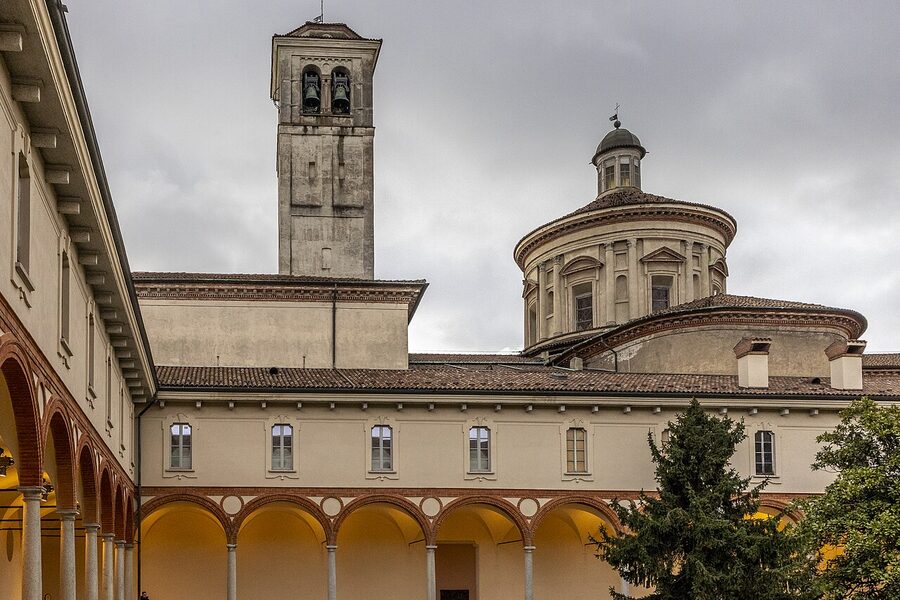
That detail matters because Sant’Ambrogio is also the metro stop closest to Santa Maria delle Grazie, where you’ll find Leonardo’s Last Supper. The two sites are an 8-minute walk apart. If you’ve already booked a Last Supper slot, build the science museum into the same afternoon. The two together are the most concentrated Leonardo experience in Milan, and they’re best done in this order: museum first (the machines and notebooks), then the painting. The painting hits harder when you’ve already spent two hours seeing what the same brain did with engineering.
The other practical thing to know: this is a massive museum. The collection contains over 21,000 objects across seven departments. The Leonardo Galleries are the headline draw, but they’re maybe a fifth of the floor space. People underbook this place all the time and end up rushing the back half. Plan for three hours minimum. Half a day if you have it. Unlike the Duomo’s rooftop visit, which is over in 90 minutes, the science museum genuinely fills an afternoon.
The Leonardo Galleries: where the machines actually live
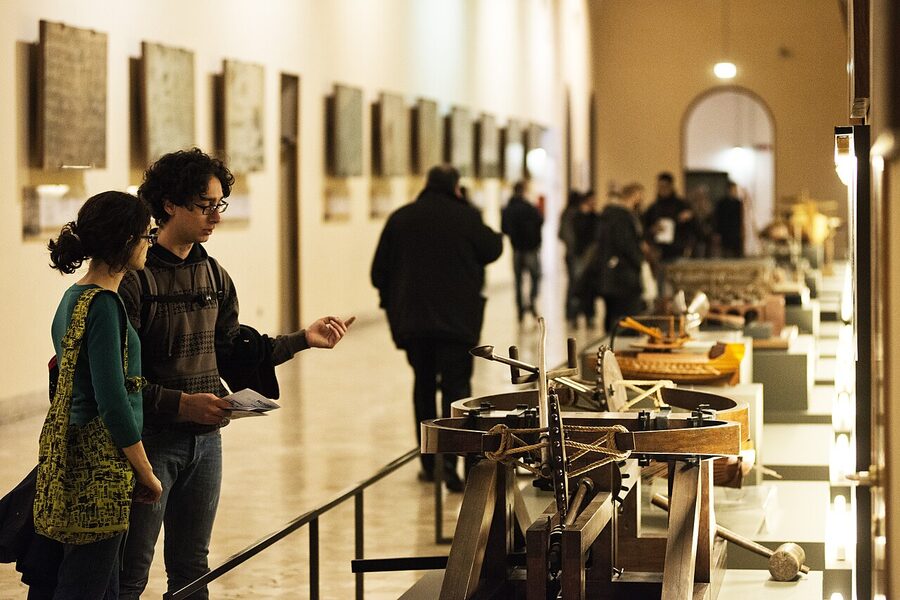
The Leonardo Galleries hold roughly 170 historical models built directly from his notebook drawings. These weren’t built last week. Most date to the 1950s, designed by engineers like Soldatini and Somenzi who took Leonardo’s sketches at face value and asked the obvious question: does this thing actually work if you build it?
Sometimes yes. Sometimes the rotor wouldn’t lift, the wings wouldn’t beat fast enough, the cog system would jam. The museum doesn’t hide the failures. There’s a flapping-wing ornithopter that physically cannot generate enough thrust, and the placard says so. There’s a tank with two parallel cranks rotating in opposite directions because Leonardo never noticed the geometry made it untouchable on a battlefield. That refusal to airbrush is what makes this place feel like a working laboratory rather than a shrine.
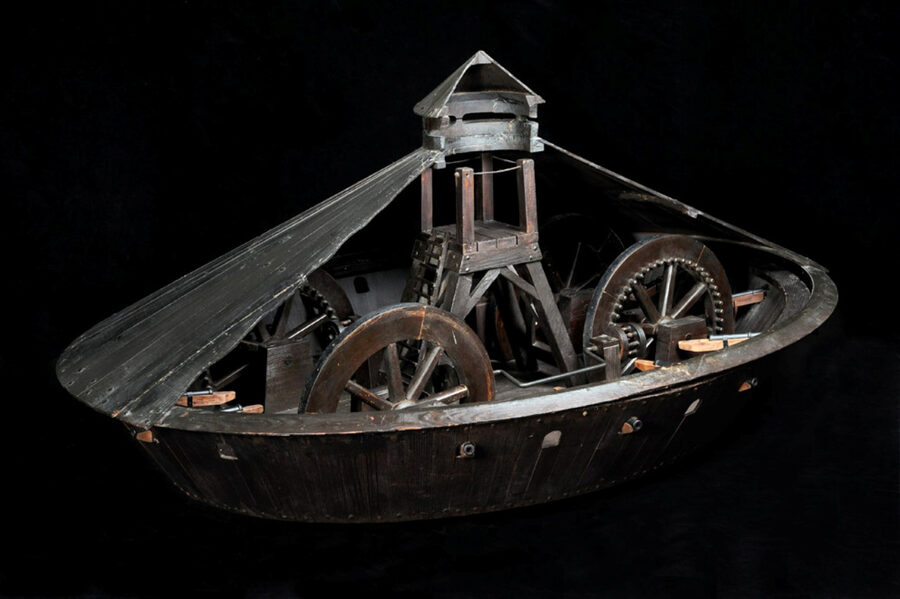
What you’ll see, roughly, in the order most people drift through it:
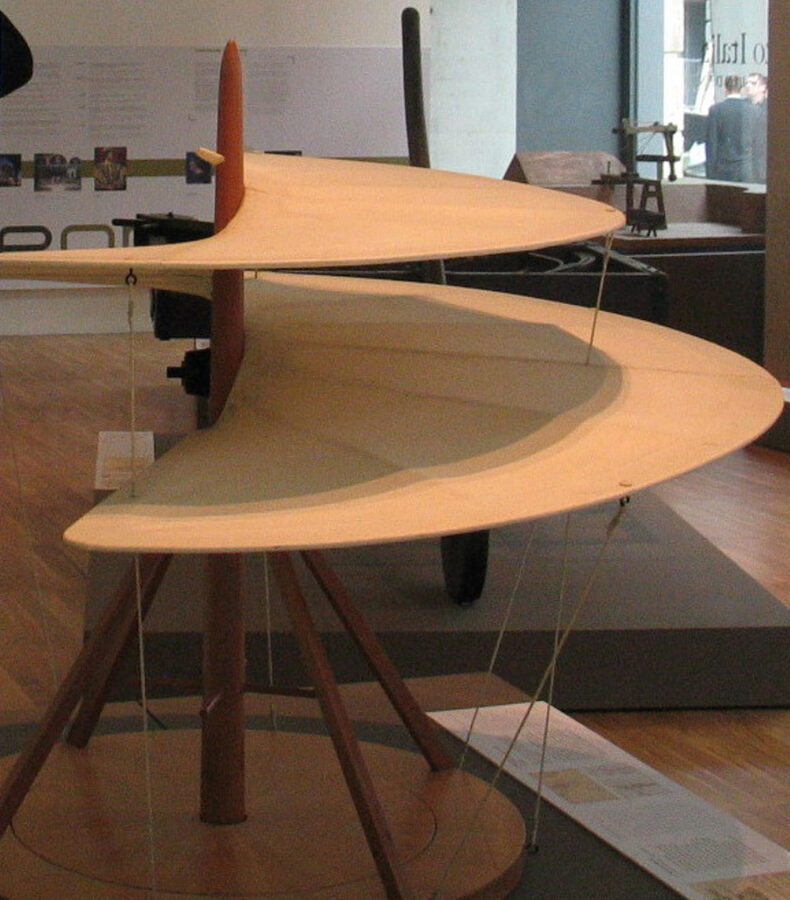
- The flying machines. Four or five of them, including the helical aerial screw (a kind of proto-helicopter) and the flapping-wing ornithopter pictured above. Some are static. Some have hand-cranks that visitors can turn.
- Military and engineering machines. Tanks, scaling ladders, hoists, drilling rigs, a giant wooden crane Leonardo designed for moving cathedral stone. The builders of the Florence Duomo actually used a version of his crane on Brunelleschi’s dome.
- Hydraulic and water machines. Saws powered by water wheels, a self-acting valve, paddleboats. Leonardo spent years on this stuff, partly because Ludovico Sforza wanted Milan’s canal network upgraded.
- Daily-life inventions. An odometer for a wheelbarrow. A weaving machine. A printing press. Less glamorous than the war stuff and more interesting if you came expecting the Mona Lisa side of his brain.
- Anatomy and notebooks. Reproductions of his anatomical drawings, plus rotating digital displays from the Codex Atlanticus. The originals live at the Biblioteca Ambrosiana across town, but seeing the page-by-page detail here in good light is the better experience.
Compared to the Leonardo Interactive Museum in Florence, this one is the serious cousin. For a non-Leonardo example of climbable, hands-on engineering elsewhere in Europe, the Setas de Sevilla is the closest analogue: an architectural object you walk on rather than past. Florence’s version is hands-on, brightly lit, child-friendly, and aimed at giving you a 90-minute taste. Milan’s is the institution: bigger collection, deeper labels, and frankly older models with more authority. If you’ve already done Florence and you’re wondering whether to bother with Milan, the answer is yes. They are not the same museum even though both have your kid pulling levers.
The Codex Atlanticus and what to read in the gallery
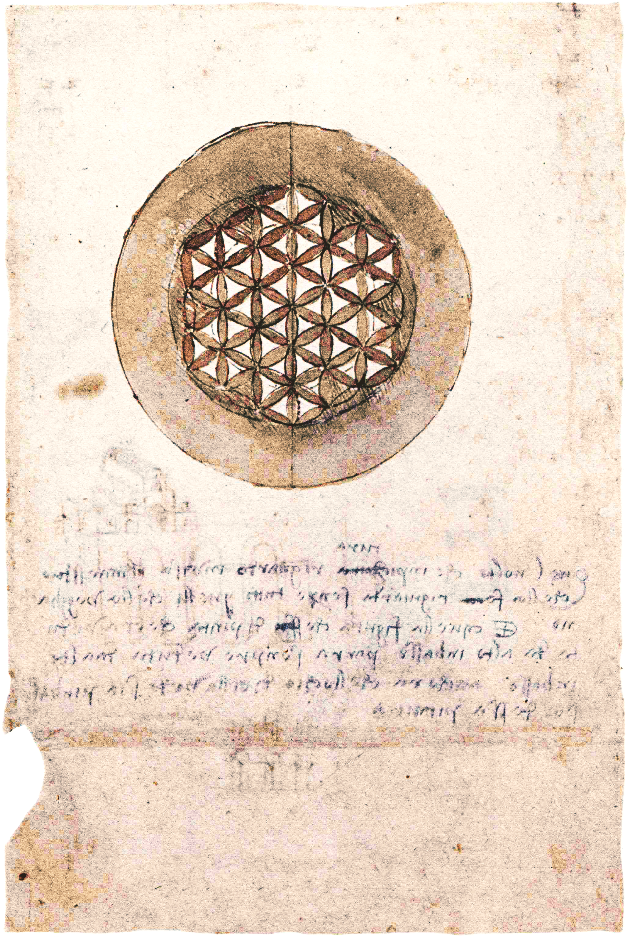
If you only read one set of placards in the whole museum, read the ones beside the Codex Atlanticus reproductions. The Codex is the largest single collection of Leonardo’s notes anywhere, more than 1,100 double-sided folios bound in 12 volumes. The same artist-as-thinking-machine framing organises the Picasso Museum in Malaga, where the small studies tell you more about Picasso’s mind than the finished canvases do. Half of it is engineering. The other half is shopping lists, doodles, geometry games, and reminders to himself in mirrored handwriting. That mix is the actual man. The same daily-life-of-the-genius energy makes Monet’s house at Giverny work: it is a kitchen, a garden, a studio, and a man’s habitual life as much as it is an art destination. Cleaner than the Galleries’ grand reconstructions, less filtered.
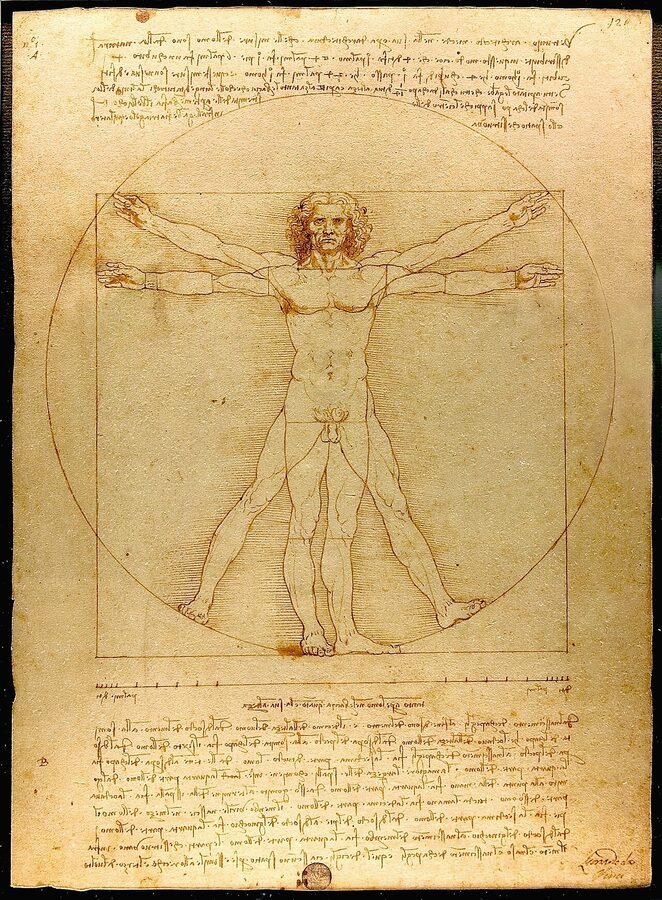
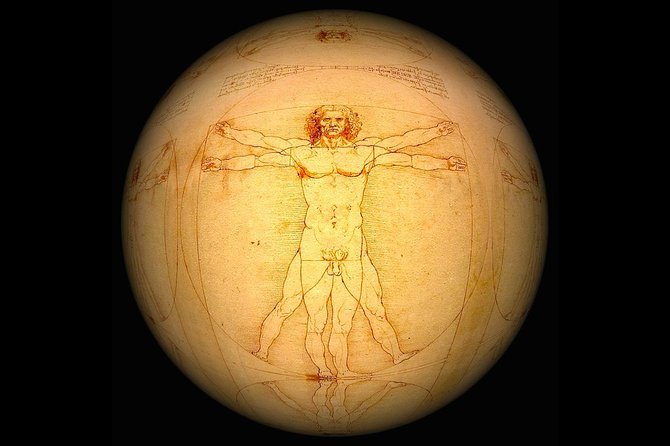
The Vitruvian Man, by the way, is not in Milan. It lives at the Gallerie dell’Accademia in Venice and only comes out of storage every few years. If you’re chaining Italy stops, the closest big-name Leonardo painting still in Milan is the Last Supper at Santa Maria delle Grazie, which uses a completely different booking system, completely different timing rules, and absolutely zero tolerance for late arrivals. The museum has a high-quality reproduction of the Vitruvian Man in the gallery and an explainer about why Leonardo’s proportional studies still get printed on Italian one-euro coins.
The other 80% of the museum: trains, ships, planes, computers
Walk out of the Leonardo Galleries and you’re in a completely different museum. This is where most first-timers get caught off guard. The transport pavilions are huge and they are not Leonardo-themed; they are whatever-you-can-fit-inside-a-19th-century-railway-shed-themed. The repurposed-industrial-shell-as-venue idea also drives the Fabrique des Lumieres in Amsterdam, where a former gas factory now hosts immersive projection art.
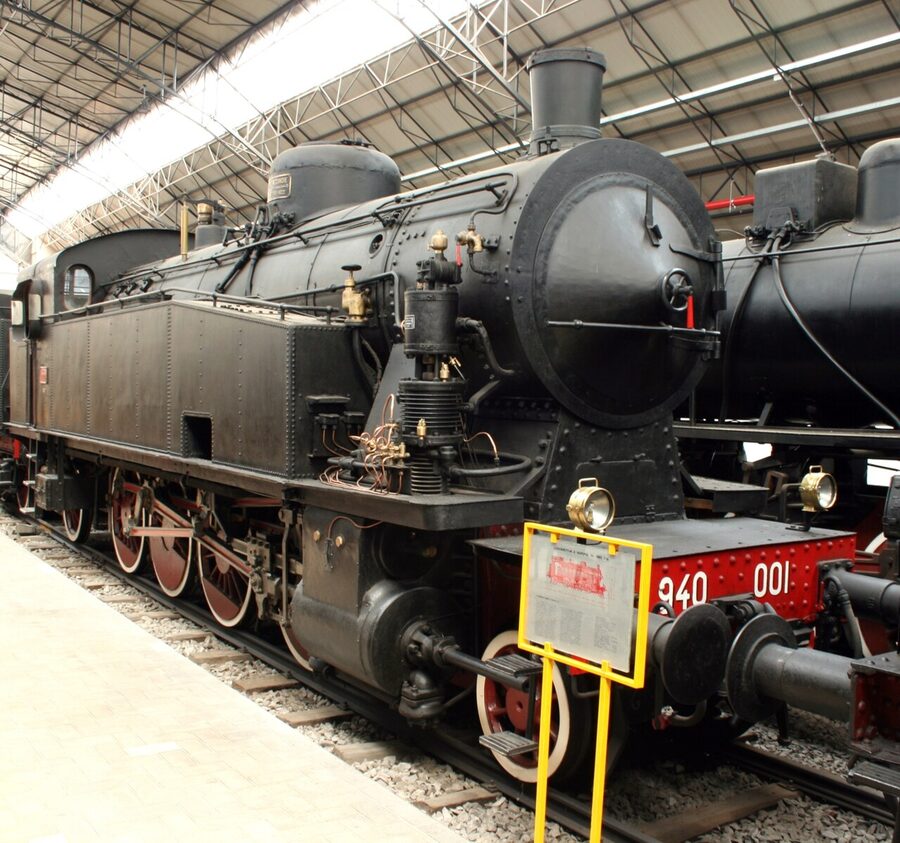
The railway hall is the biggest in Italy. It lives inside an actual cast-iron pavilion built for the 1906 Milan Expo and re-erected on this site. The reconstructed 19th-century station facade at one end is a real 19th-century station facade. Inside: about a dozen full-size steam locomotives, electric trains, signal boxes you can poke at, an Italian state-railways ticket office that’s been preserved like a film set.
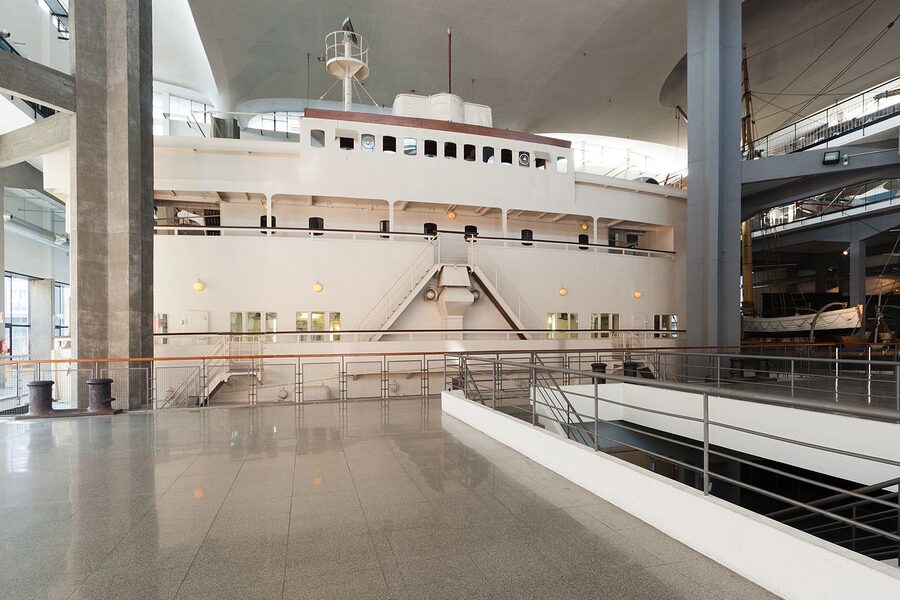
The naval pavilion has the bridge of the Conte Biancamano transatlantic liner. Not a model. The actual bridge, salvaged when the ship was scrapped, reassembled in the museum.
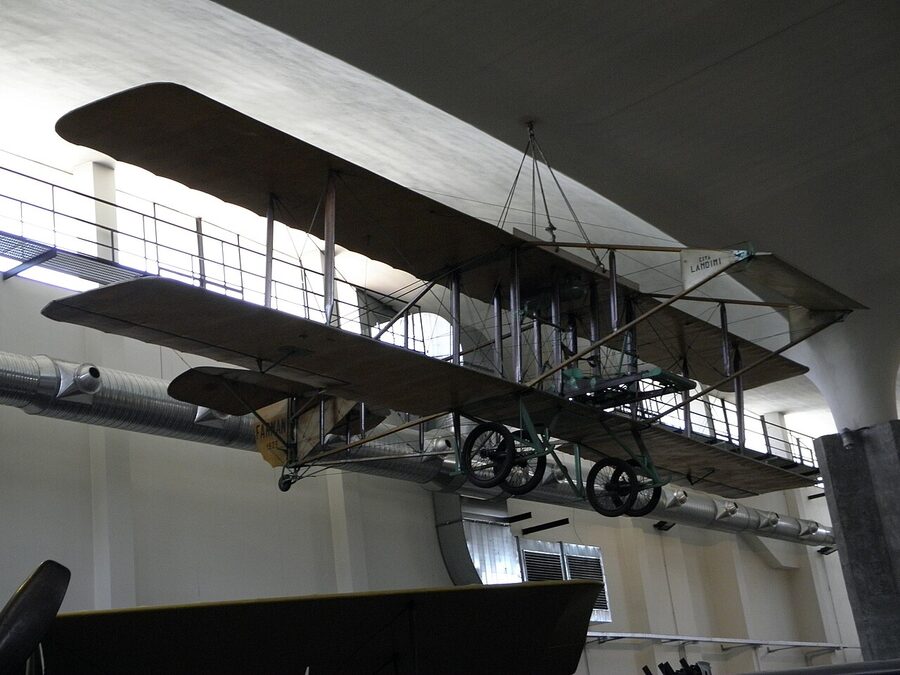
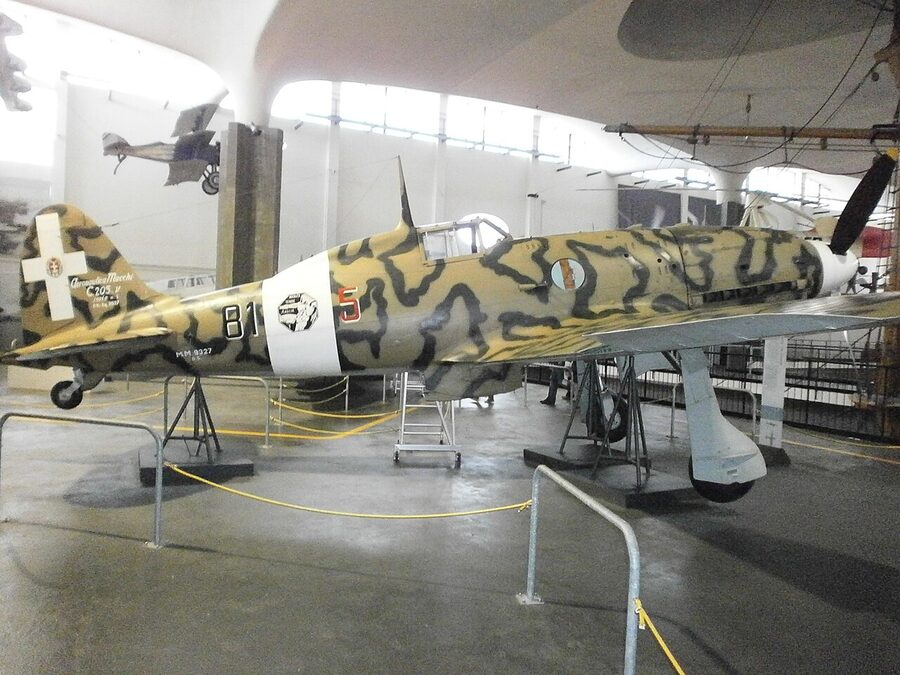
The aviation pavilion has a 1909 Farman biplane replica, a Macchi MC.205 V from World War II, and a Fiat G.91 fighter. It’s smaller than the railway hall but the planes are hung at eye level so you can actually look at the rivets. If you’re a transport-history obsessive who’s also planning a Bernina Express day-trip from Milan, this hall is a strong warm-up: same era of European mechanical engineering, completely different stage.
And then there’s the submarine.
The Toti submarine: a separate ticket and worth it
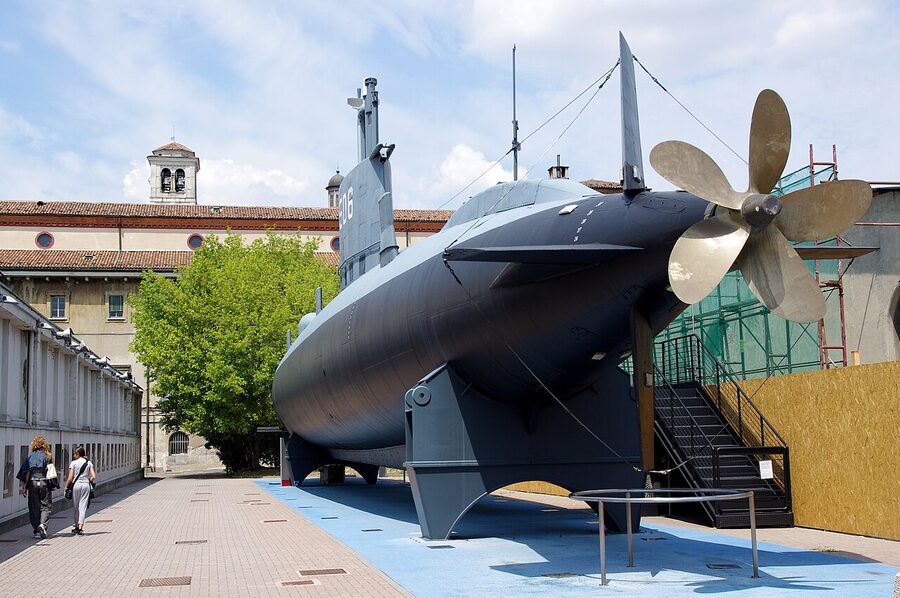
The Enrico Toti S-506 is the strangest exhibit in this museum and the one most kids remember 20 years later. It’s a real Italian Cold War submarine, decommissioned in 1992, given to the museum, then transported overland through the streets of Milan in August 2005 in one of the more bizarre civic logistics operations the city has seen. The whole hull is sitting in the courtyard now, propped up on concrete, accessible by a metal staircase to a hatch.
To go inside the Toti, you book a guided 30-minute slot at the ticket desk when you arrive. It’s a separate small fee on top of museum admission (currently a few euros extra) and it sells out fast on weekends. The interior is genuinely cramped. The crew quarters are stacked bunks with about 30 cm of headroom over each. The control room is a forest of valves and brass.
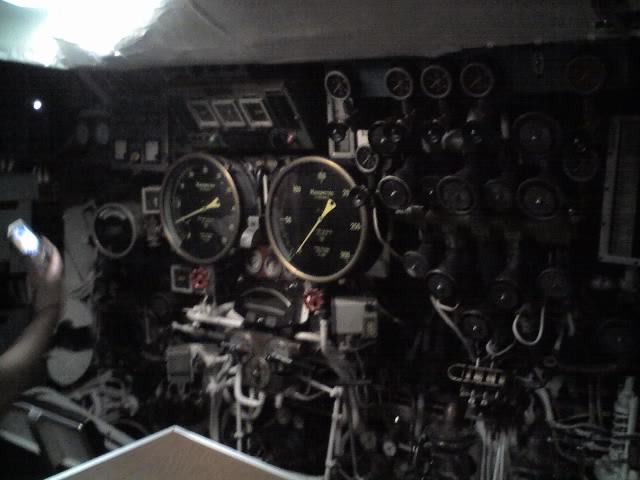
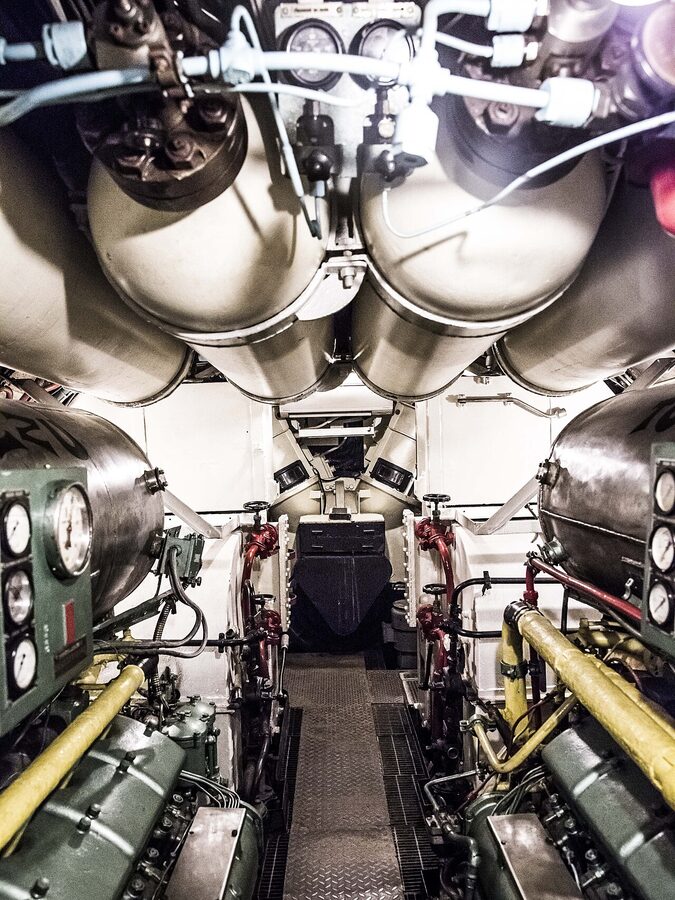
If you have any interest in 20th-century engineering, do this. If you have severe claustrophobia, don’t. There’s no halfway. The exit is at the far end and the corridor is narrow.
How tickets and timed entry actually work here
Standard adult entry is €13. Reduced (3-26 years, 65+) is €8. Under-3 is free. The museum is also included in the Yes Milan City Pass if you’re already buying one for the Duomo and the public transport pack.
Booking online a day or two ahead is what I’d do. The museum doesn’t sell out the way the Last Supper does (months in advance, no flexibility, 15-minute slots), and you can usually walk up on a Tuesday or Wednesday morning without a queue. But Saturdays and school holidays do form a real line at the ticket window, and pre-booking lets you skip straight to the security check.
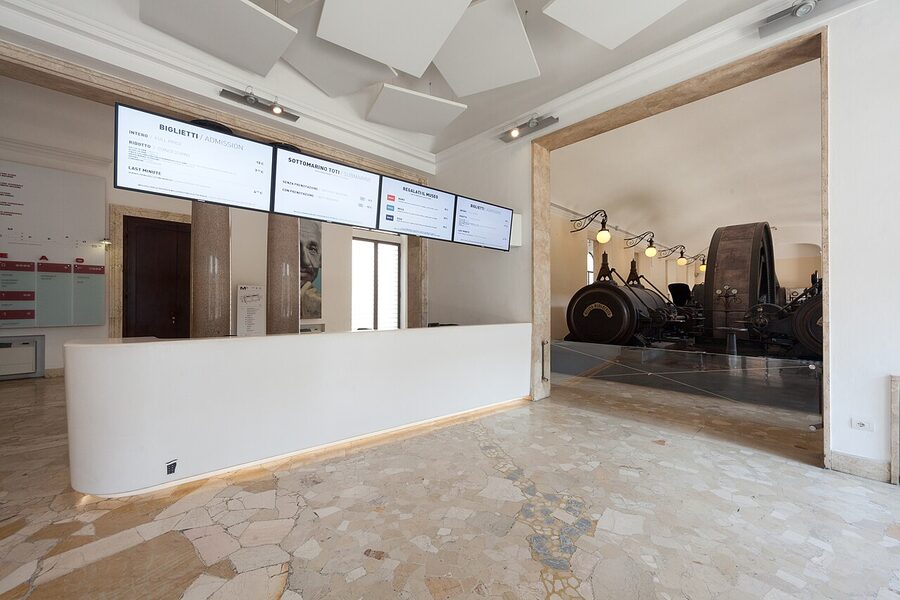
Opening hours: Tuesday-Friday 10am-6pm, weekends and holidays 10am-7pm. Closed Mondays, plus 24-25 December and 1 January. Staff start clearing the further pavilions about 30 minutes before close, so don’t leave the Toti or the trains for the last hour.
Photography without flash is fine throughout the museum. Inside the submarine the rules tighten because it’s a guided tour through tight spaces and people walk into each other if they’re holding phones up.
The three booking options worth comparing
1. Standard Museum Entry: $15
This is the right pick if you’re doing the museum on your own pace, can read English placards, and want to wander. Our full review has more on the layout. The Toti add-on is bought separately at the desk on arrival, not online.
2. Galleries Ticket and Guided Tour: $28
This is the right pick if you want context for the machines without committing to a private guide. The English tour runs at fixed times; book an early slot so you have the afternoon for the trains and the Toti. Our galleries tour review covers what the guide actually adds beyond the placards.
3. Private 90-Minute Tour: $164
This is the right pick if you’re a serious Leonardo enthusiast, an art-history professional, or travelling with kids old enough to ask hard questions. Our private-tour write-up covers what an Eddie-level guide does differently. Skip if you’d rather spend the budget on a Last Supper guided slot instead.
Best time to go (and when to skip)
Tuesday and Wednesday late mornings are the calmest. Saturdays are bad. Sundays are worse, especially the first Sunday of the month when state museums in Italy run free-entry promotions and the Galleries fill with families. School-holiday weeks (Italian schools, not yours) are also rough; the Christmas, Easter, and late-June periods bring waves of school groups.
Avoid Mondays for an obvious reason (closed) and August evenings for a less obvious one: Milan empties out in August and the museum runs a reduced staffing pattern. The Toti tour in particular sometimes pauses for the first half of August.
If you’re in town in the colder months, the museum is a perfect rainy-day plan. Most of Milan’s other big draws, the Duomo terraces, the Last Supper queue, the gallery courtyards, are exposed to weather. This place is a warren of indoor halls connected by covered passages. You can spend three hours dry.
Pairing this with the rest of Milan (and beyond)
The most natural day combines the science museum with the Last Supper, because they’re a 10-minute walk apart and they’re both Leonardo. The booking systems are completely different: Last Supper tickets need to be locked in months ahead, while the science museum is comfortable a day or two out. Lock the Last Supper slot first, then build the museum around it.
If you have a second full day in Milan, the obvious pairing is the Duomo and its rooftop terraces. The cathedral is in central Milan, a 15-minute metro ride away on Line 1. Lots of visitors do the science museum and the Last Supper on day one, then the Duomo and a wander through the Galleria Vittorio Emanuele on day two. That works.
For a third day, consider getting out of town. The two best Milan day trips are Lake Como (an hour by train, a slow afternoon by ferry) and the Bernina Express across the Alps (long day, panoramic, expensive). If your time is shorter, the Milan hop-on hop-off bus covers the headline sights efficiently, though the city’s a bit small for it to genuinely earn its place on a 48-hour trip.
Travellers piecing together a longer Italy itinerary often pair this museum with the Leonardo Interactive Museum in Florence. The two are different in tone but share a thesis: that Leonardo’s drawings deserve to be built, not just looked at. Florence’s version is the pop-up; Milan’s is the institution.
Wait, there’s another Leonardo museum in Milan? Yes.
The other one is called Leonardo3 – The World of Leonardo, and it’s a smaller, more interactive, more digital experience tucked behind the Galleria Vittorio Emanuele in central Milan. The two get confused all the time. Quick comparison so you don’t book the wrong one:
- This museum (Museo Nazionale della Scienza): 1953, San Vittore monastery, 21,000+ objects, full-day, €13. The Leonardo Galleries are one wing. The rest is trains, ships, planes, and a submarine.
- Leonardo3: 2013, central, 200+ digital reconstructions and a 3D animated Last Supper, 90-minute visit, around €18. Smaller, slicker, kid-magnet.
If your kids are 8-12, Leonardo3 is the easier first hit. If you want the deeper context, including a real submarine and a 1900-era railway hall, this museum is the one. Doing both in 48 hours is overkill. Pick based on what kind of museum-day you actually want.
What to bring, what to skip
Bring a water bottle. There’s a refill point near the cloister café. Bring kids over four or so; younger than that and they’ll sleep through the Galleries and refuse the submarine. Skip the audio guide for the Galleries (the placards are good and the audio is dated); pay for it for the railway hall (the trains have less English signage).
The café in the cloister is fine, not great. If you have time and you’re staying for lunch, walk five minutes to the Sant’Ambrogio side of the basilica complex; the small trattorias there serve better Lombard food at lower prices. The museum gift shop is one of the better ones in Milan, with good Leonardo notebook reproductions and Italian engineering toys.
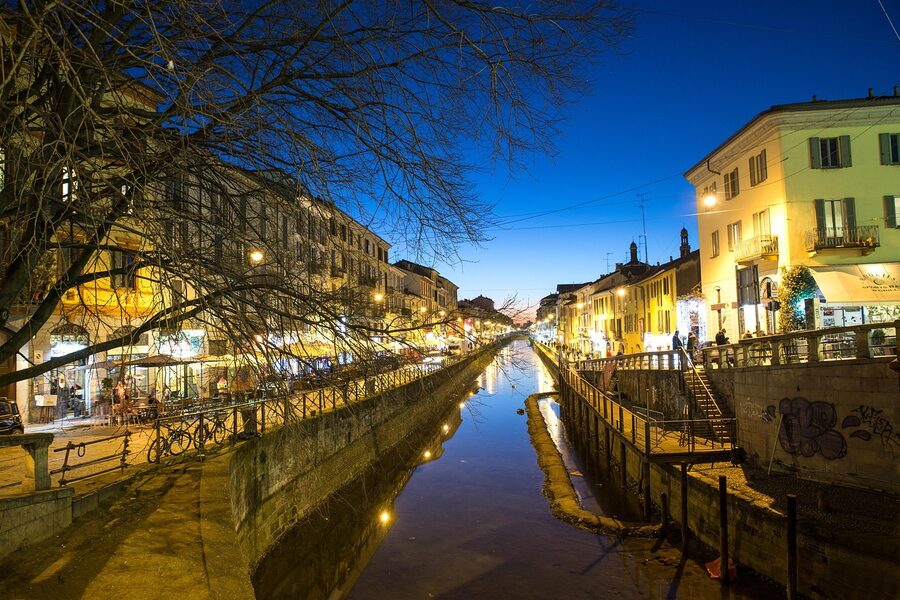
And one last thread that often goes unmentioned: the canals you’ll see south of the city centre, the Navigli, were partly engineered by Leonardo in his first Milan stint. He didn’t build the network, but he designed the miter lock that opened up Milan’s waterway trade and is still in use globally. After a long museum day, an evening on the Naviglio Grande, sitting outside with a glass of Franciacorta and watching the water move through a 530-year-old lock system, is a quietly perfect way to close the loop.
One more visit, if you have it in you
The day I’d build, given a clean slate and a Wednesday: Last Supper at 10:00 (book months ahead), coffee on Corso Magenta until 11:30, walk to the science museum, three hours inside including the Toti, late lunch at a Sant’Ambrogio trattoria around 3pm, then either the Duomo terraces at golden hour or the Navigli for sunset. That’s a single Milan day done by someone who’s been twice and figured out which order to chain it. Steal it.