
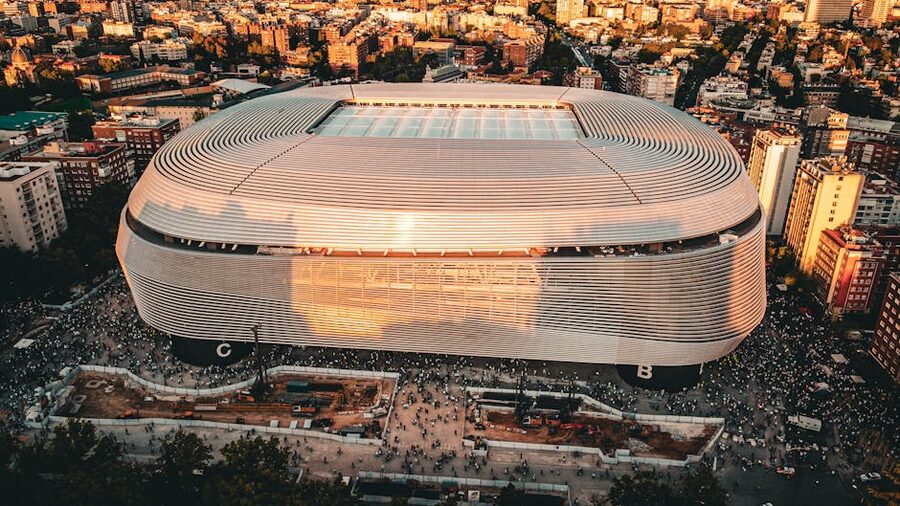
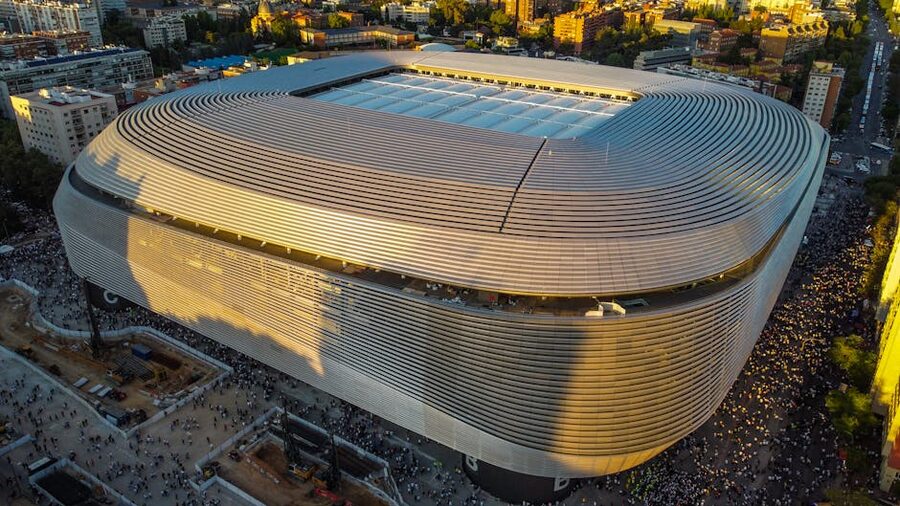
Is the Bernabéu tour worth booking after the rebuild? That’s the real 2026 question, because the stadium you visit today is not the one most travel guides describe. The Santiago Bernabéu redevelopment finished its main phase in late 2024, and what reopened isn’t a stadium with a new coat of paint. It’s a different building draped over the bones of the old one, with a retractable roof that closes in fifteen minutes, a four-piece sliding pitch that retracts under the field on rails, and a 360-degree LED ring around the bowl. So is the tour better, worse, or just different? The short answer: yes, it’s worth booking, but you’re paying €41 for a different experience than the one your friend raved about in 2018.
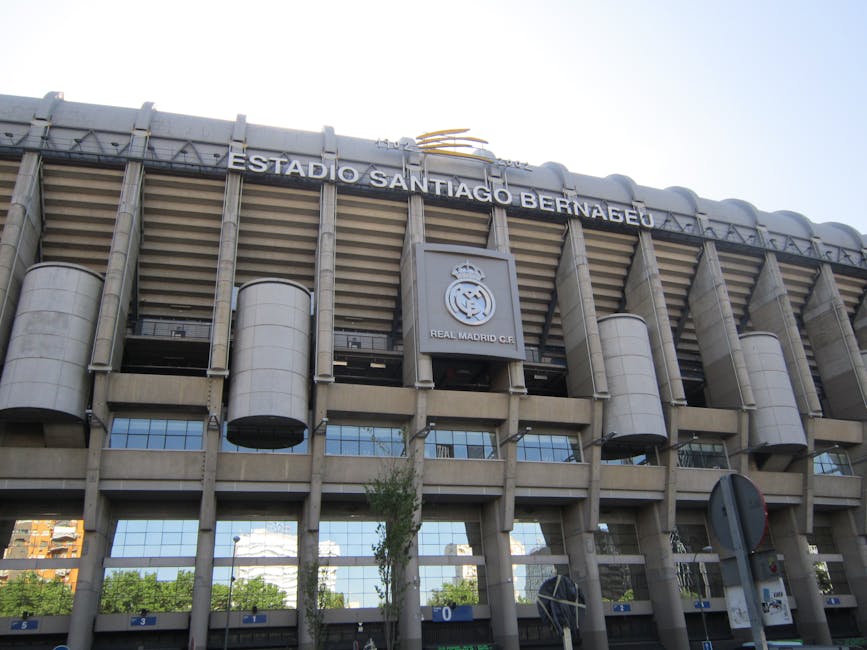
I’ll work through what’s new, what’s gone, what the three most-booked tours actually get you, and whether to skip this if you’re already doing Camp Nou in Barcelona or San Siro in Milan on the same trip. If you’ve only got one stadium tour in your itinerary, the answer might surprise you.
In a Hurry: 2026 Bernabéu Picks
- Cheapest entry, full freedom: Tour Bernabéu Entry Ticket ($41). The self-guided flagship, 1.5 hours, your own pace.
- Guide does the talking: Guided Tour of Bernabéu Stadium ($64). Small group, English commentary, the new zones explained.
- Stadium plus the museum on a Viator booking: Bernabéu & Real Madrid Museum Tour ($70). Covers the full circuit with a guide.
What changed in the rebuild, and why the tour feels different
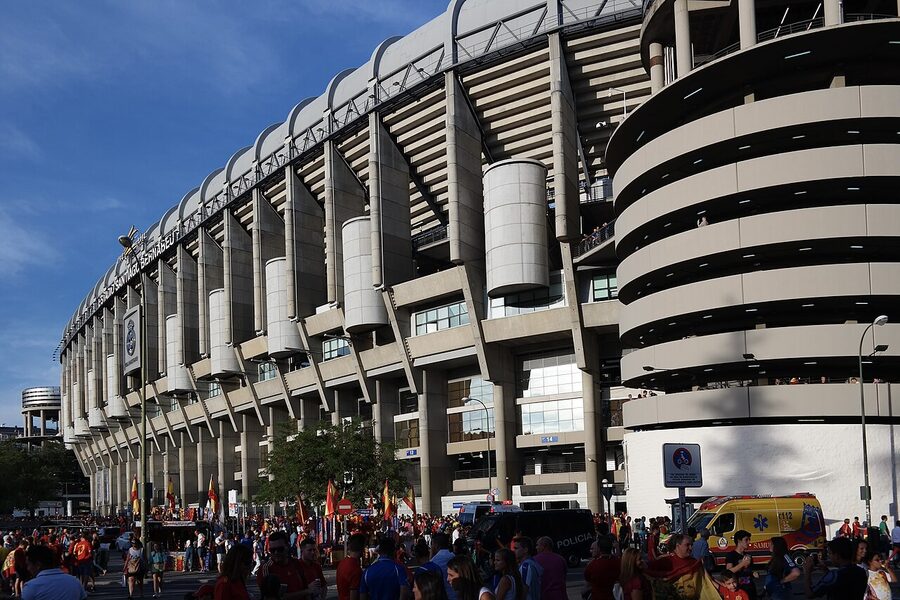
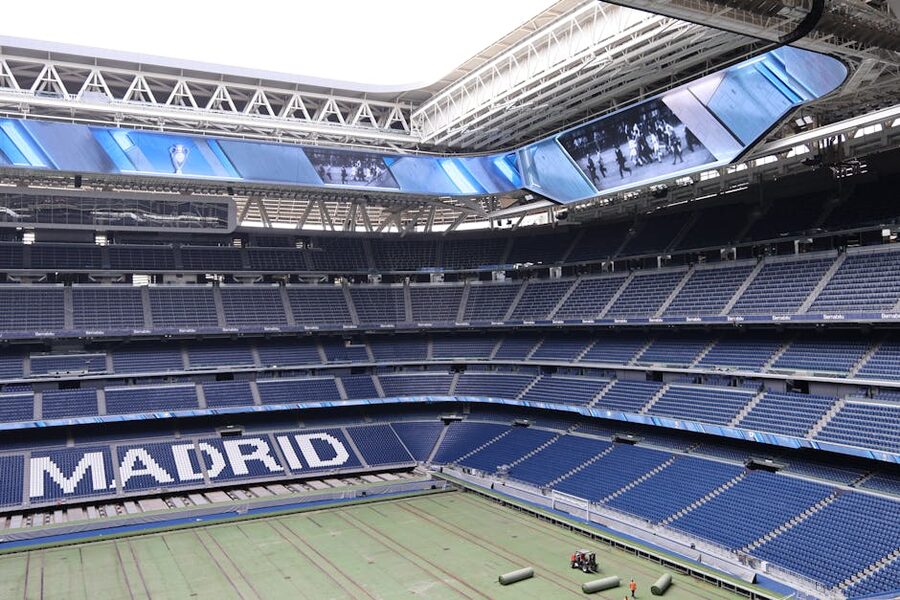
The redevelopment started in 2019 and ran through late 2024. Real Madrid kept playing matches throughout, which is part of why it took five years instead of two. The headline addition is the retractable roof, which closes the bowl off completely so the stadium can host concerts and NFL games without rain delays. Taylor Swift played here on the new setup. So did the Eagles versus Dolphins NFL Madrid game. The roof is the part guides talk about most because visitors can usually see it in operation, or at least the closed configuration during the tour.
The bigger structural change is under the pitch. The grass surface now slides down on rails into a climate-controlled chamber four levels below ground. When concerts come in, the pitch retracts, the floor below becomes the venue, and seventy thousand people don’t trample the surface that’s hosting a Champions League match three days later. This is the technical achievement. It’s also the part the tour does its best work explaining, because you can stand in the lower bowl, watch a video of the pitch retracting, and look down at where the chamber sits.
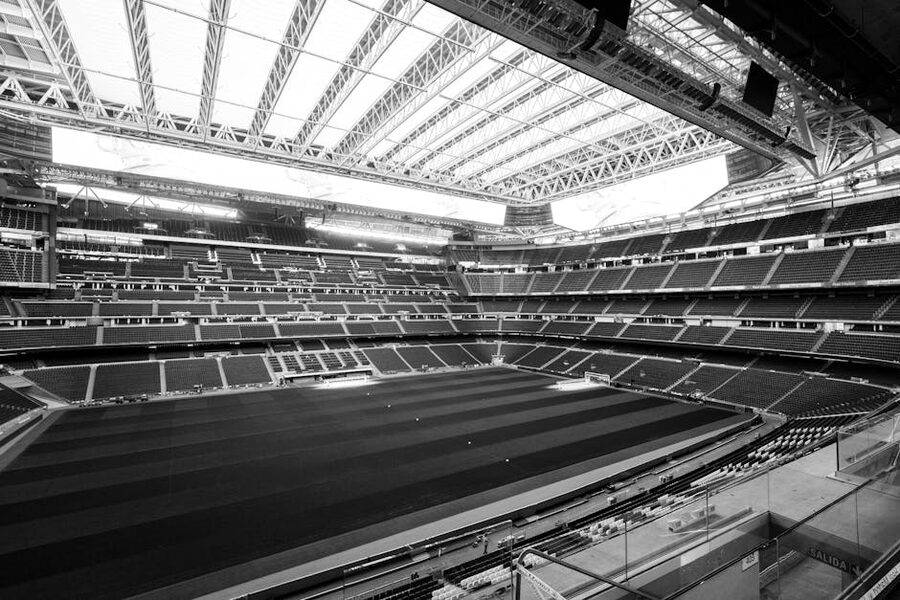
The 360-degree LED ring around the inside of the bowl is the third big change. It runs continuous video around the seating, which during matches becomes a mood-setter and during the tour becomes the projector for highlight reels of past finals. It looks ridiculous in a good way. The first time it lit up in front of me I genuinely laughed.
What’s gone from the old tour
Let’s be straight about the losses. The old grass-side dressing room walk-through, where you went down the tunnel into the home dressing room and out onto the pitch, isn’t part of the standard self-guided route anymore. Some of that access has been redesigned into the Bernabéu Experience interactive zone instead, which is more multimedia, less brick-and-paint. If your memory of the tour is “I sat in the home dugout and looked up at where Zidane scored the volley,” that specific moment is now staged differently and feels more digital.
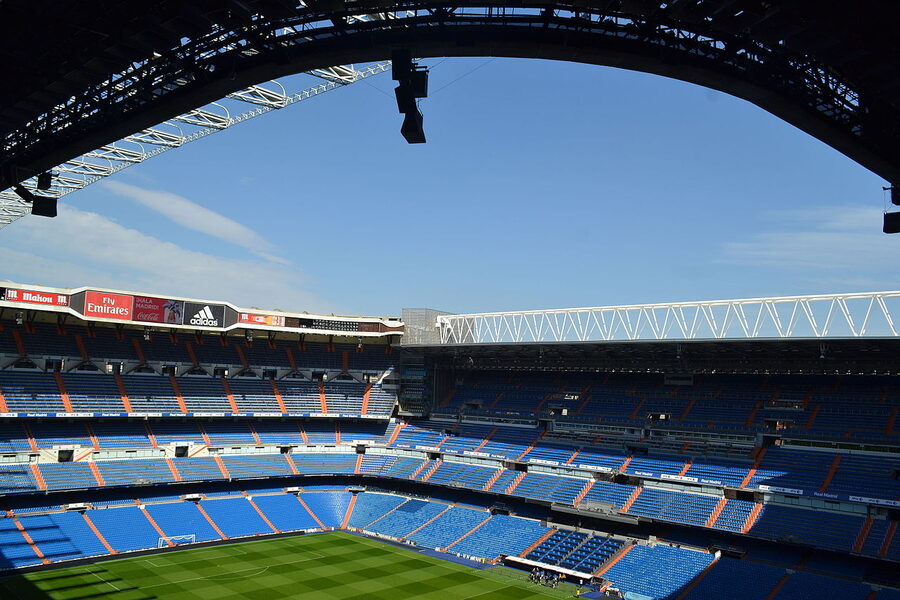
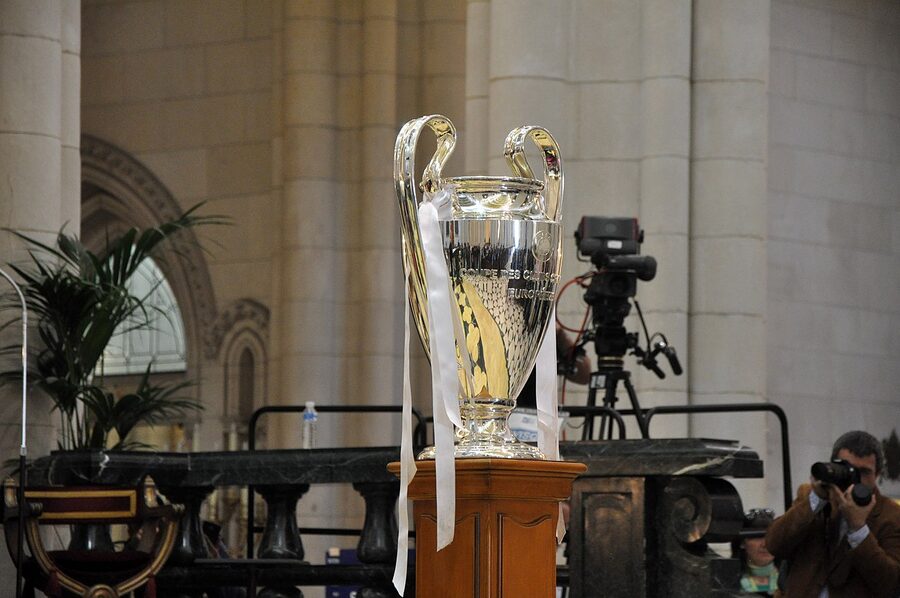
The trophy room is still excellent, and arguably better. The lighting is new, the displays are reconfigured, and the European Cup count keeps going up. The 2022 and 2024 Champions League trophies sit alongside the older silver. Real Madrid’s fifteen European titles get a wall they can finally fill without crowding.
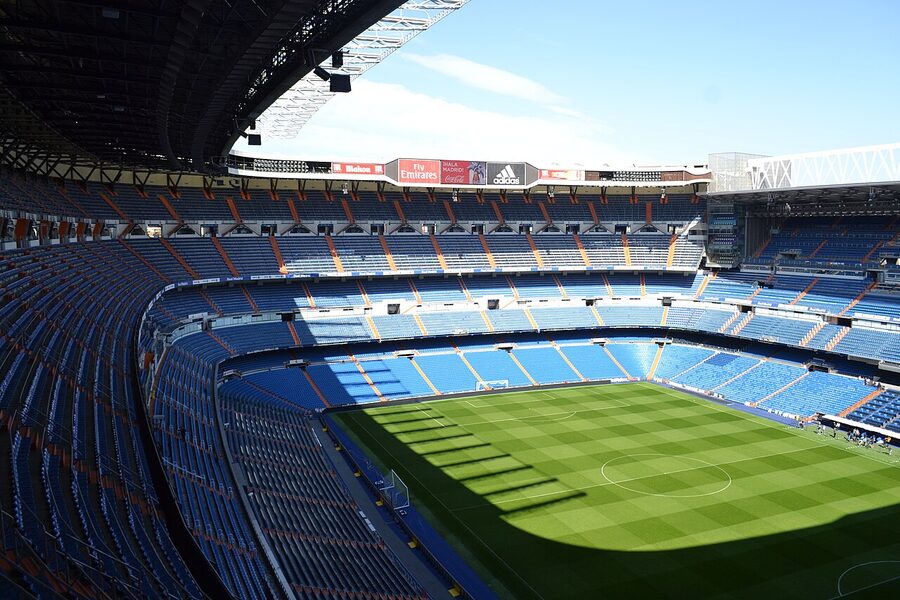
Best Bernabéu tours to book in 2026
Three options cover most reasonable visitor profiles, and these are the three I’d push people toward. The flagship self-guided ticket is the right pick for the majority. A guided option matters if you want narration. The combined museum-focused booking pulls in visitors who care more about the silverware than the pitch.
1. Madrid: Tour Bernabéu Entry Ticket: $41
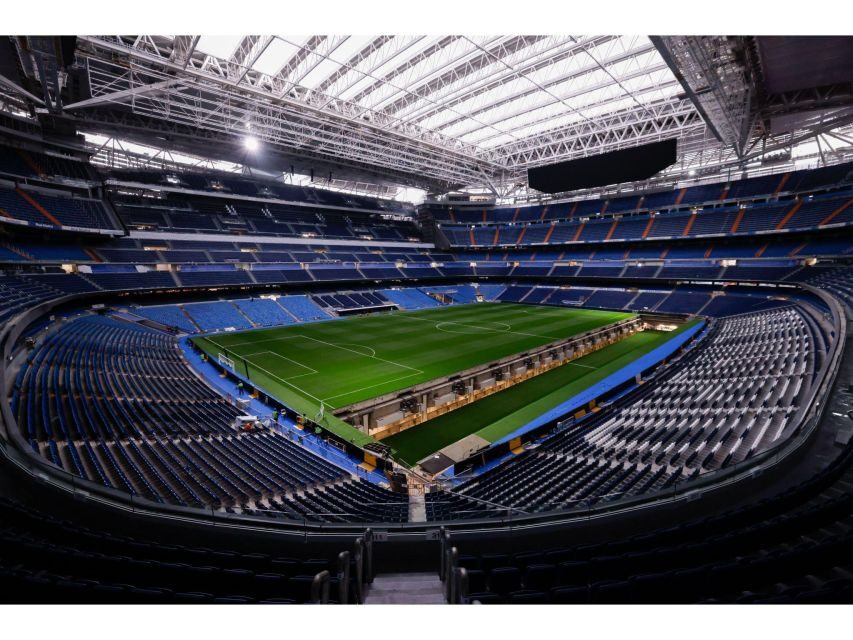
This is the right pick if you want maximum freedom and the lowest price. Our full review covers exactly which zones are open and how the new audio guide handles the rebuild content. You’ll spend roughly 90 minutes, more if you linger in the museum, and you control the pace entirely.
2. Madrid: Guided Tour of Bernabéu Stadium: $64
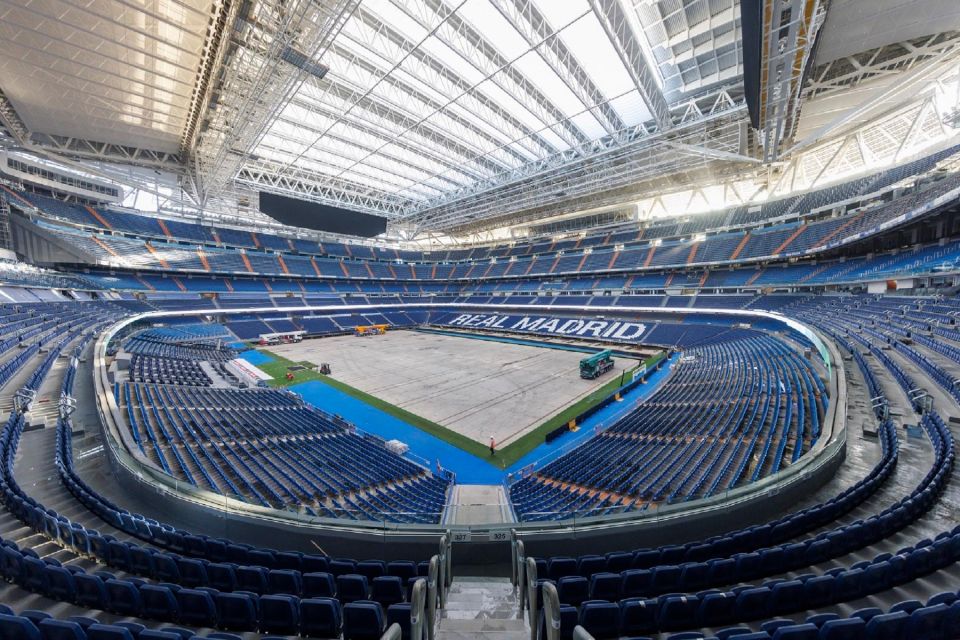
Book this if you want the rebuild explained out loud rather than read off a screen, and you don’t mind moving on the guide’s clock. Our full review notes that ratings have dipped in the rebuild window because some guided routes were limited; the route has stabilised since reopening. If you’re a casual football fan or travelling with kids, the guide-led version is easier to absorb.
3. Bernabéu Stadium & Real Madrid Museum Guided Tour: $70
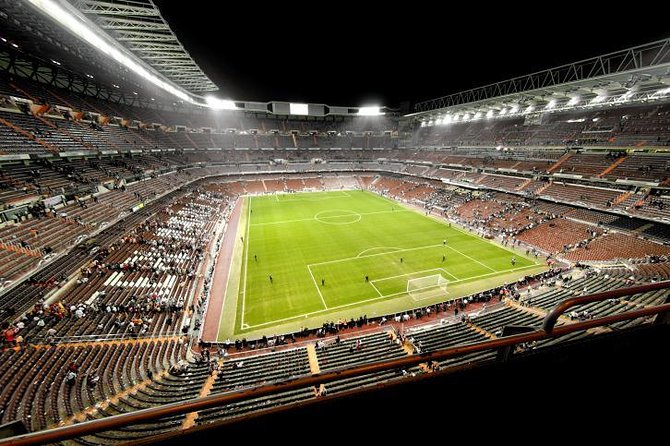
Pick this version if your booking ecosystem is already on Viator or you specifically want the museum portion led by a guide. Our full review walks through the museum-focused commentary and how it differs from the self-guided audio. Roughly two hours, similar in scope to option two.
How to choose between self-guided and guided
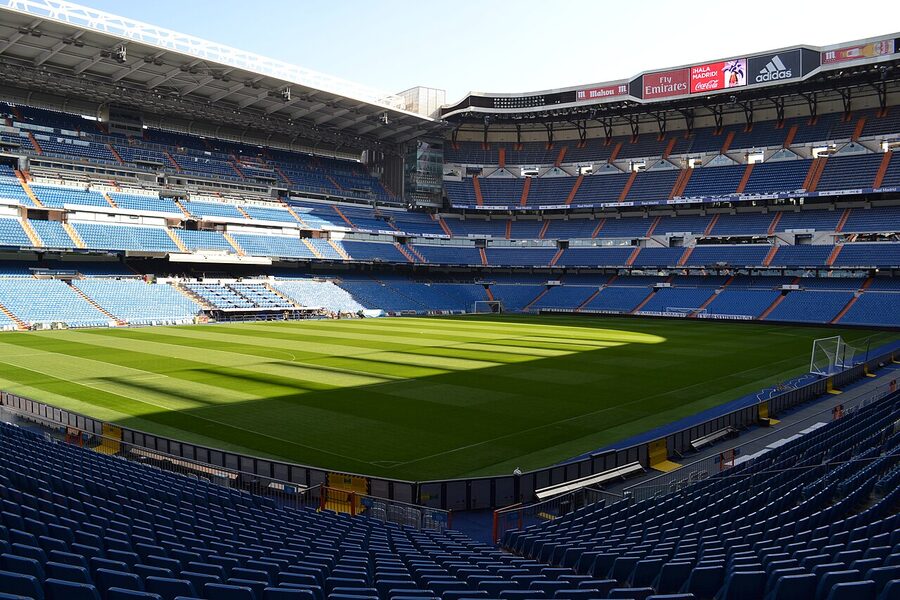
The simple split: self-guided suits people who already know Real Madrid’s recent history. If you can name the manager, the captain, and what the team won last season, you’ll get more out of moving at your own pace and reading the screens. The audio guide is in English (and several other languages), and the new multimedia is dense with information that rewards lingering.
Guided suits people who don’t follow the club closely but want the visit to feel structured. A good guide will explain why a specific Cristiano Ronaldo Ballon d’Or matters more than the others, what the difference is between a La Liga title and a Copa del Rey, and which manager actually built the modern era. You don’t need to know any of this in advance to enjoy the tour, but you do need someone telling you, and the audio guide is decent rather than great at it.

One thing the guided versions handle better than the self-guided: the rebuild itself. The audio guide mentions the new infrastructure but doesn’t dwell on it. A human guide will, especially if asked, and the engineering story is genuinely interesting. The pitch retraction system was custom-built, the roof closed for the first time at a Real Madrid friendly in late 2024, and the stadium is now a multi-purpose venue rather than a football-only building. That shift matters for the tour because you’re partly visiting an architectural project, not just a football shrine.
The Bernabéu Experience zone (the new bit nobody talks about)
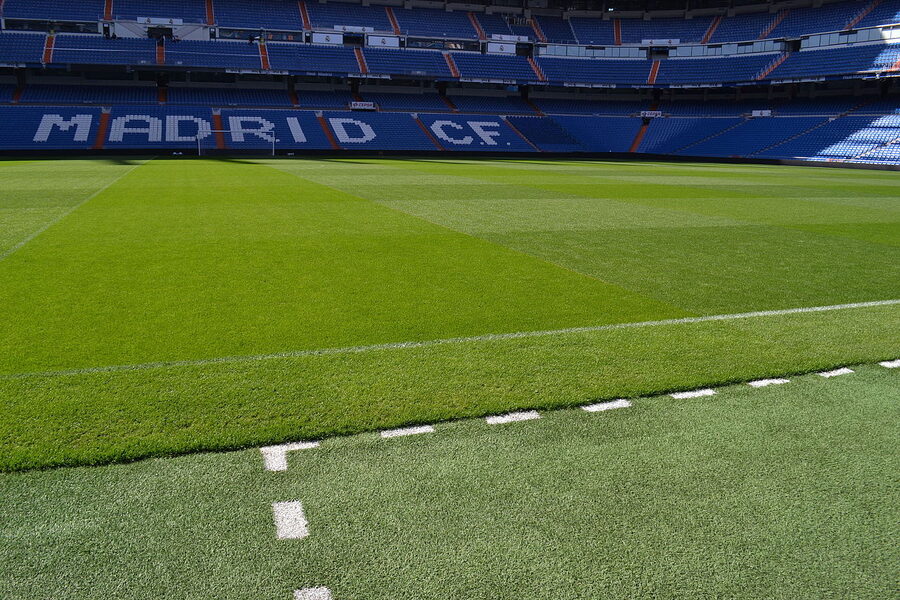
The Bernabéu Experience is the multimedia zone that replaced parts of the old dressing-room access. It’s interactive in the modern sense: motion-sensing screens, audio cones triggered when you approach an exhibit, and a few VR setups for things like “feel the roar of a Champions League final entry.” The kids in front of me on a Wednesday morning loved it. The adults were politely tolerant. This is the part of the rebuild most likely to divide visitors.
If you’re in your forties and you came here for the brick-and-grass intimacy of the old tour, the Experience zone will feel like a museum was sponsored by a tech brand. If you’re under twenty-five, or travelling with anyone under twenty-five, this might be the part you remember best. There’s no wrong reaction. Just know what you’re walking into.

Practical info for visitors in 2026
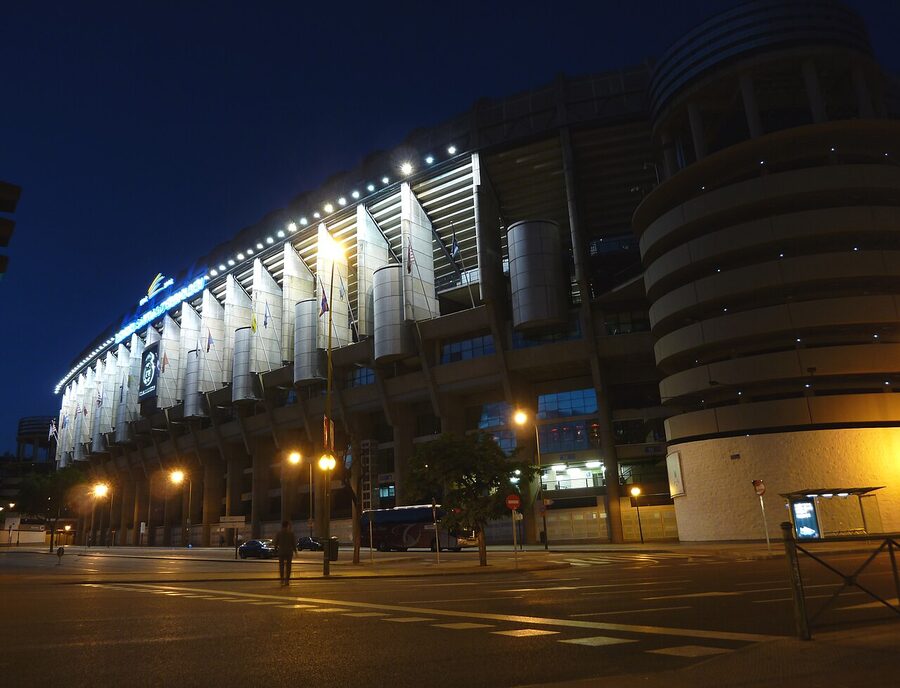
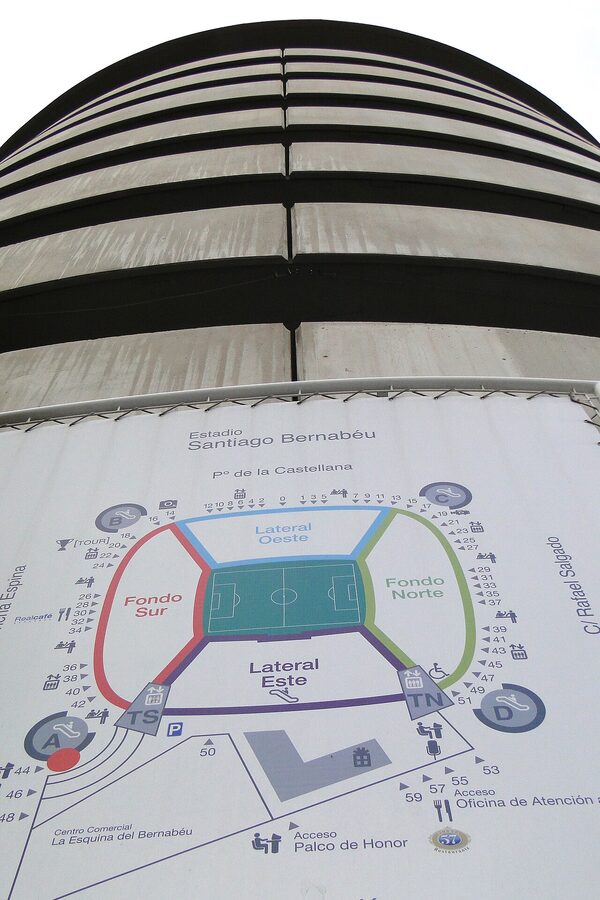
The stadium is on Avenida Concha Espina 1, in the Chamartín district north of central Madrid. The metro stops directly outside (Line 10, Santiago Bernabéu station), and that’s how almost everyone arrives. From Sol or Gran Vía, expect a fifteen-minute metro ride.
Quick logistics
- Address: Avenida Concha Espina 1, 28036 Madrid
- Metro: Line 10, Santiago Bernabéu station, exit on the stadium side
- Cercanías train: Nuevos Ministerios station, then a 15-minute walk
- Buses: EMT lines 14, 27, 40, 43, 120, 126, 147, 150 stop within two blocks
- Tour duration: 90 minutes self-guided, up to 2 hours guided
- Tour entry: Gate 7, signed in English
- Best time: first slot of the day on weekdays, never on Sundays before a home match
On match days the tour usually closes entirely. Check the Real Madrid fixture list before you book, especially around El Clásico, Champions League nights, and any cup tie. The tour also runs reduced hours on the day after a home match, because they’re cleaning the bowl. None of this is publicised loudly. It’s why the official site is the safest place to book if your dates are tight.
Pre-booking traps to avoid
Three things catch first-time visitors. First: skip-the-line tickets that aren’t really skip-the-line. The Bernabéu has a security queue and a tour-entry queue, and most “skip-the-line” sellers only skip the second one. The reality is you should arrive at your booked slot, not earlier, because the queue moves quickly when groups are timed.
Second: tour-plus-Madrid combos that look cheaper than booking each piece separately. They’re sometimes good value, but the Bernabéu portion is usually a self-guided ticket bolted onto a city walking tour, and you don’t get any extra access. If you wanted the city tour anyway, fine; if you wanted the stadium tour, just book the stadium tour.
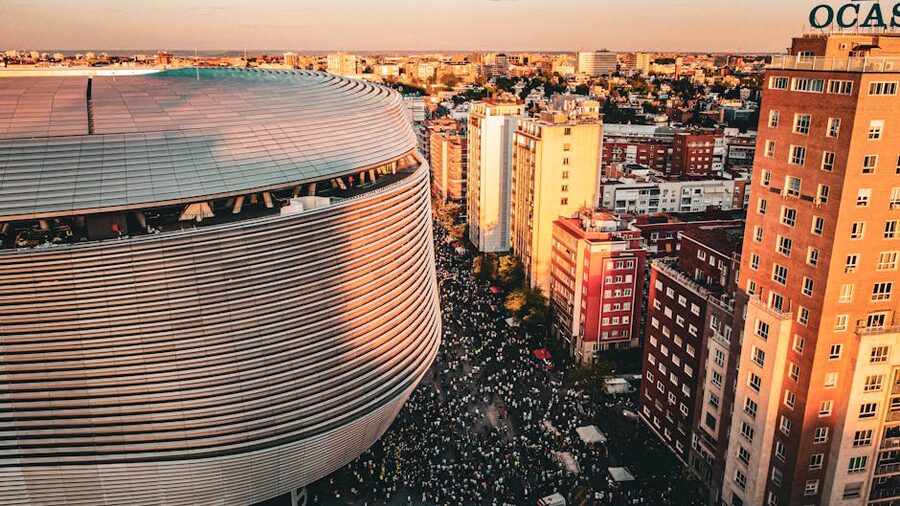
Third: thinking the rooftop view is included by default. It is on most current 2026 ticket configurations, but it wasn’t always, and a few older listings on resale sites still describe the pre-rebuild route. Read what’s listed under “what’s included” carefully. If the rooftop walkway isn’t mentioned, the listing is out of date.
Bernabéu vs Camp Nou vs San Siro: which stadium tour to actually book
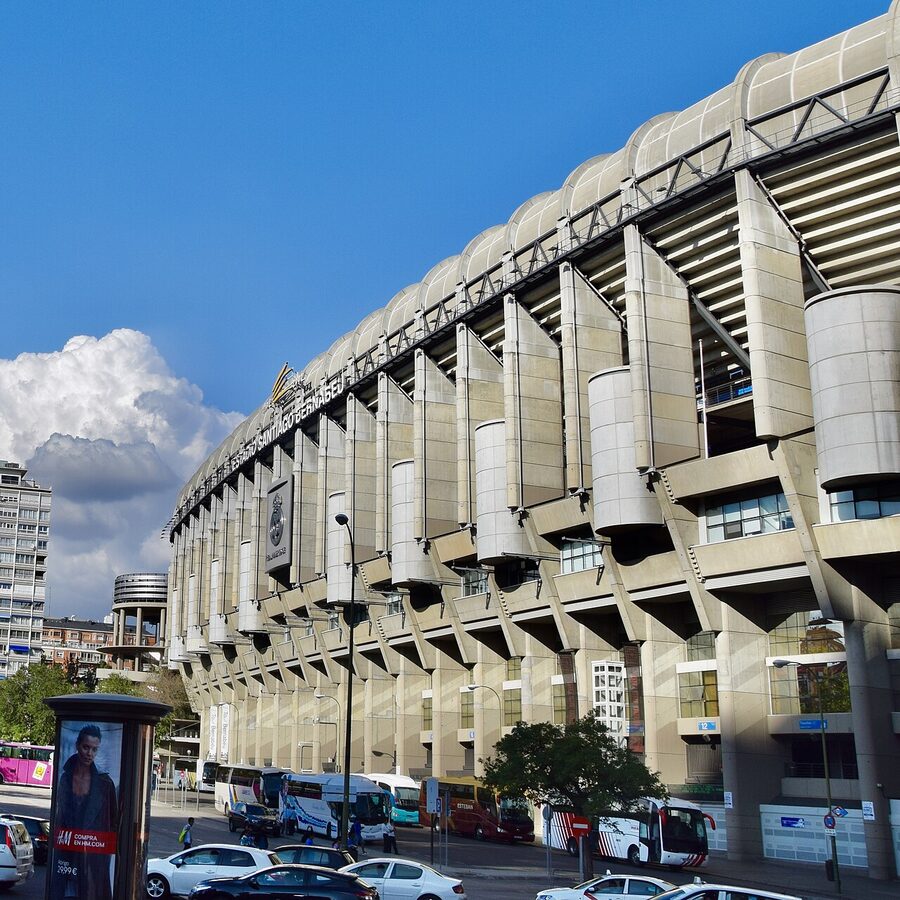
If you’re doing a Spain-and-Italy trip and trying to choose between three stadium tours, here’s the actual read. Camp Nou in Barcelona is still being rebuilt, and the tour is a reduced version with limited bowl access until late 2026. The Bernabéu is finished. San Siro in Milan is the opposite case again: it’s running normally, but the city has approved its demolition for a new Inter-and-Milan shared stadium, so the tour you book today won’t exist in five years. The cleanest already-finished comparison further north is Amsterdam’s Johan Cruijff Arena, the first stadium in Europe with a retractable roof and the place the modern stadium-tour template was effectively written.
So the real question becomes which one matches your visit. If you’re in Madrid: book it, the tour is ready and the new stuff is genuinely impressive. If you’re in Barcelona right now in 2026: the Camp Nou museum tour is still worth the visit, but expect a partial experience until the rebuild finishes. If you’re in Milan: do San Siro before it’s gone. None of these are bad calls. They’re just not the same product they were five years ago.
What to do near the stadium
The Chamartín district isn’t a tourist neighbourhood the way Sol or La Latina is. It’s where Madrid does business, lives in apartment blocks, and works in the office towers that line Castellana. The closest thing to a tourist sit-down lunch is in the AZCA business district, ten minutes south on foot, which is fine but not memorable. If you’re a food-focused traveller, take the metro back into the centre after the tour. The combo most people make sense of is: morning Bernabéu, lunch in central Madrid, afternoon for the Royal Palace or the Prado.
A specific tip: if you’re visiting in summer, the metro ride back is air-conditioned and the walk to the centre isn’t. Don’t do this on foot in July. People try, and it’s a 45-minute slog through Castellana traffic with very little shade.
Match-day vs tour-day: which to pick
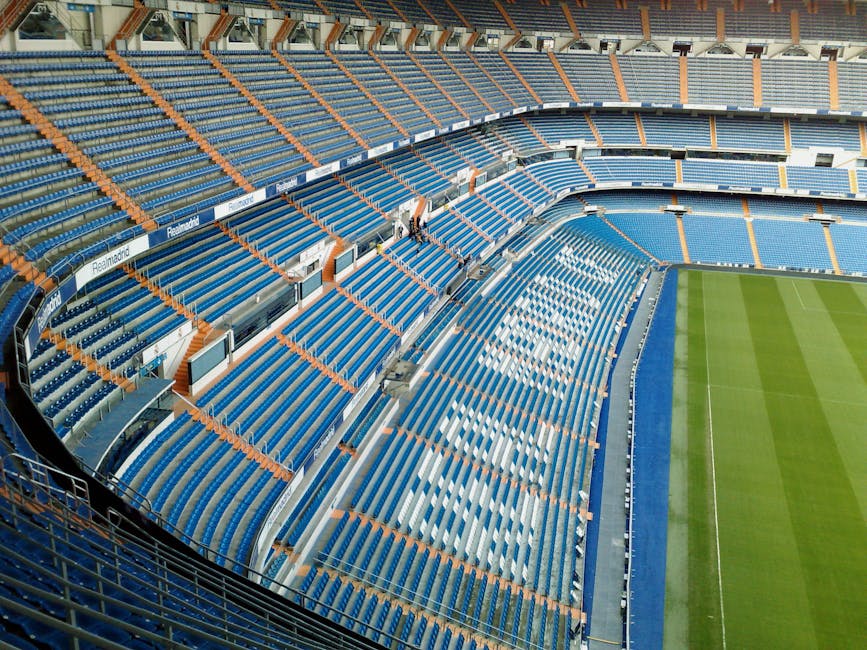
If you can attend a match instead of a tour, do that. A live Real Madrid match at the new Bernabéu is the better experience by a clear margin. The atmosphere with seventy thousand engaged Madridistas, the Hala Madrid chant before kickoff, the way the LED ring lights up when goals go in: this is what the building was designed for. Tickets are roughly €60 to €350 depending on opponent and seat, with La Liga matches against mid-table opposition being the cheapest realistic options.
The catch: La Liga doesn’t release fixtures more than three weeks ahead, and Champions League draws happen in stages, so locking a match-day visit into a fixed travel itinerary is hard. Most people end up doing the tour because it’s predictable. That’s a fine choice. Just know what you’re trading off.
Photo strategy for the new bowl
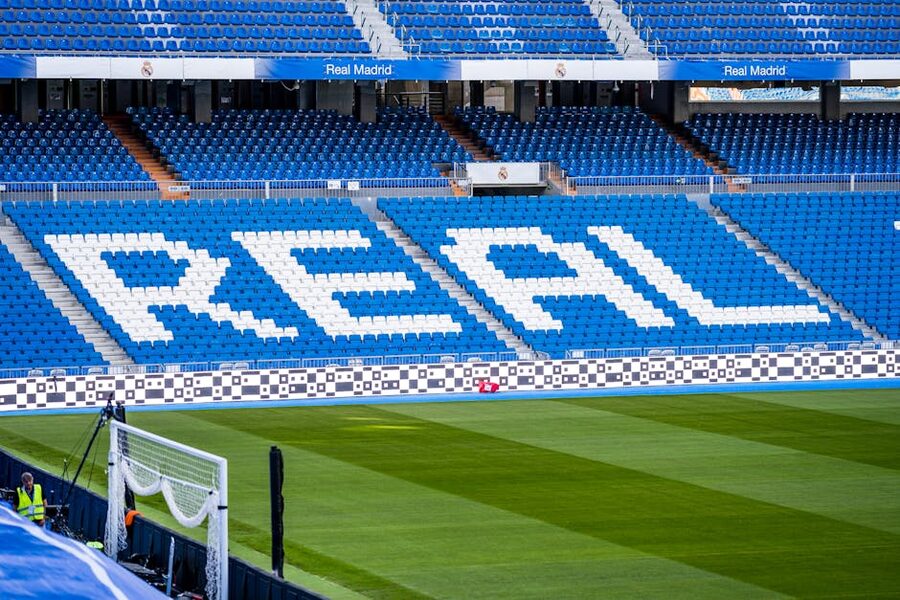
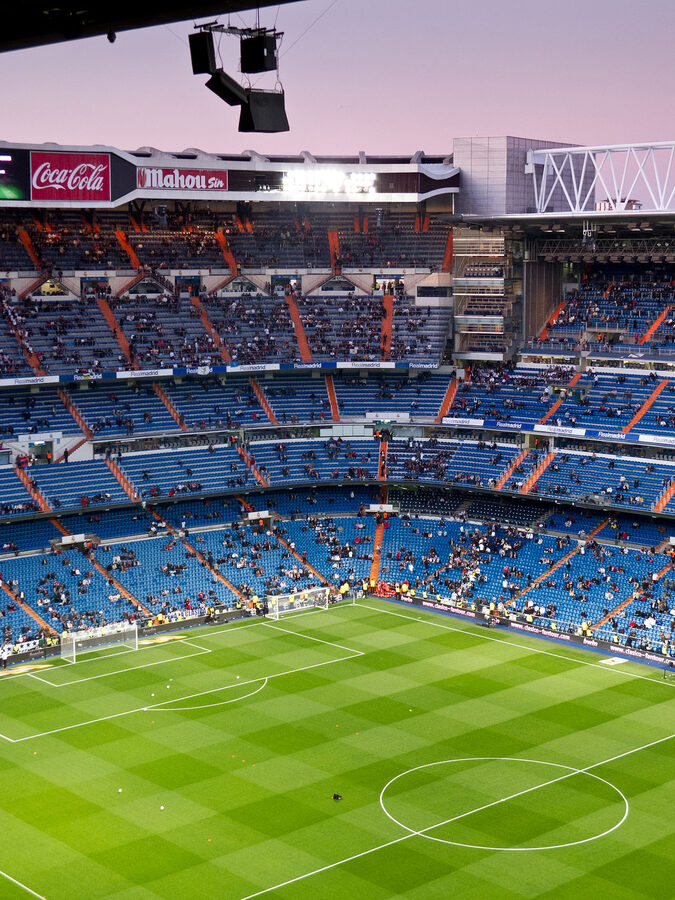
The two angles that work best in the new configuration: from the lower bowl looking up at the closed roof and LED ring, and from the upper-tier walkway looking across the pitch with the city skyline behind. Both are on the standard route. The upper-tier angle requires you to walk to the south-west corner; the lower bowl angle is at most stops along the route.
Avoid wide-angle phone shots from the dugouts. They’re crowded, and the new sponsor-board configuration means the back wall reads as advertising rather than stadium. The shot you want is from a few rows up, looking across the bowl, with the seating colour visible.
Booking tips: when to buy, where to buy
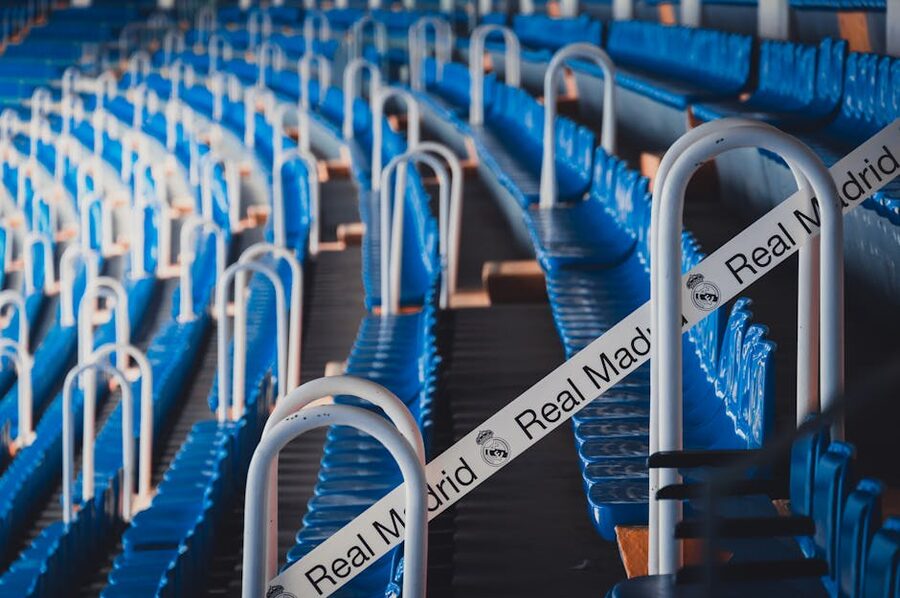
Tickets sell out in three windows: the day before a Champions League home match (because tour visitors realise they’re not getting in match-day), Saturdays in summer, and the week between Christmas and New Year. If you’re visiting in any of those windows, book at least a week ahead. Outside those windows you can usually walk up.
The official site, GetYourGuide, and Viator all sell the same flagship ticket, sometimes at slightly different prices because of currency rounding. The cheapest source on any given day is whichever platform has a current promo. I check all three before booking; the saving is rarely more than a few euros, but on a family of four it adds up.
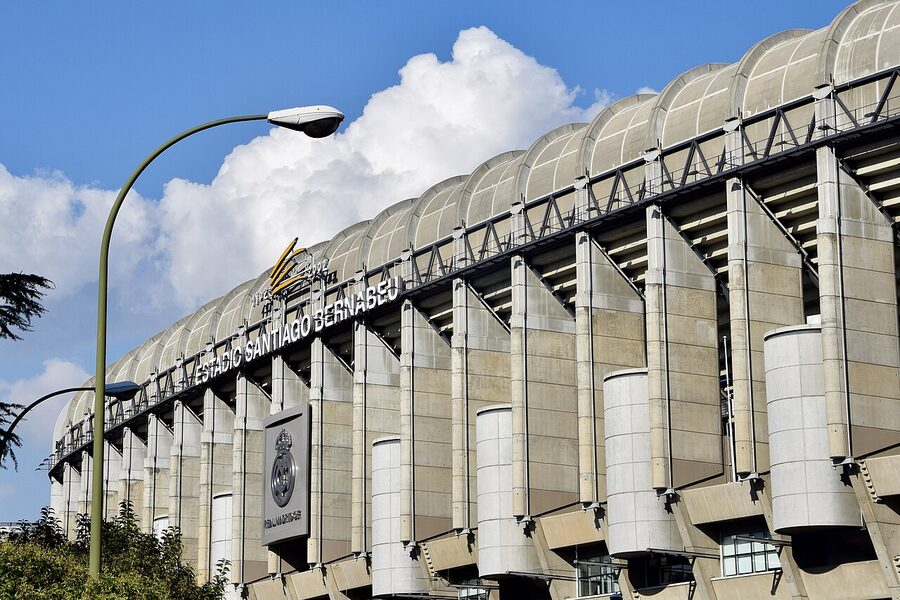
One thing the resale platforms do better: refunds and reschedules. The official site is strict on date changes. GetYourGuide and Viator are more forgiving, which matters when your travel plans shift mid-trip. If your dates are firm, official is fine. If they’re not, pay the small markup for flexibility.
Visiting with kids
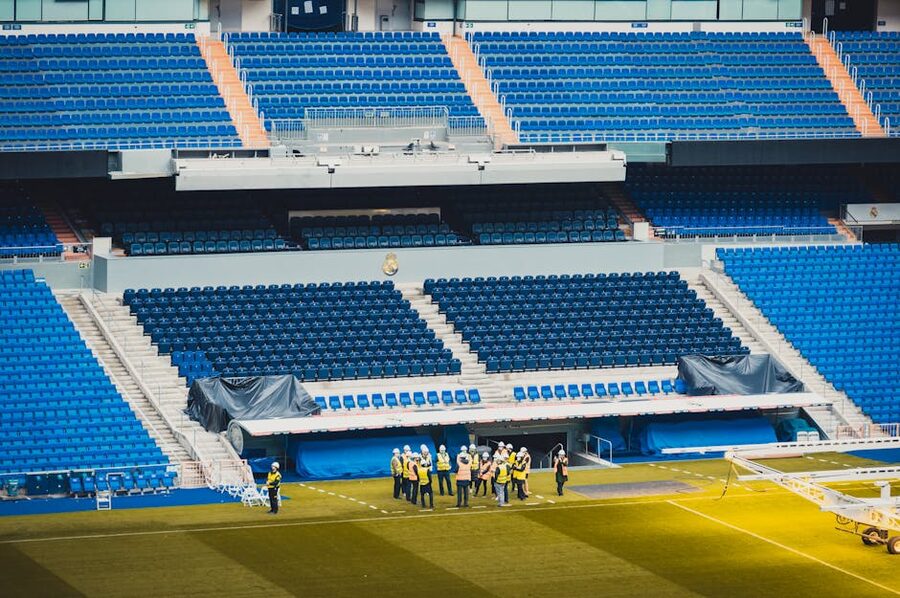
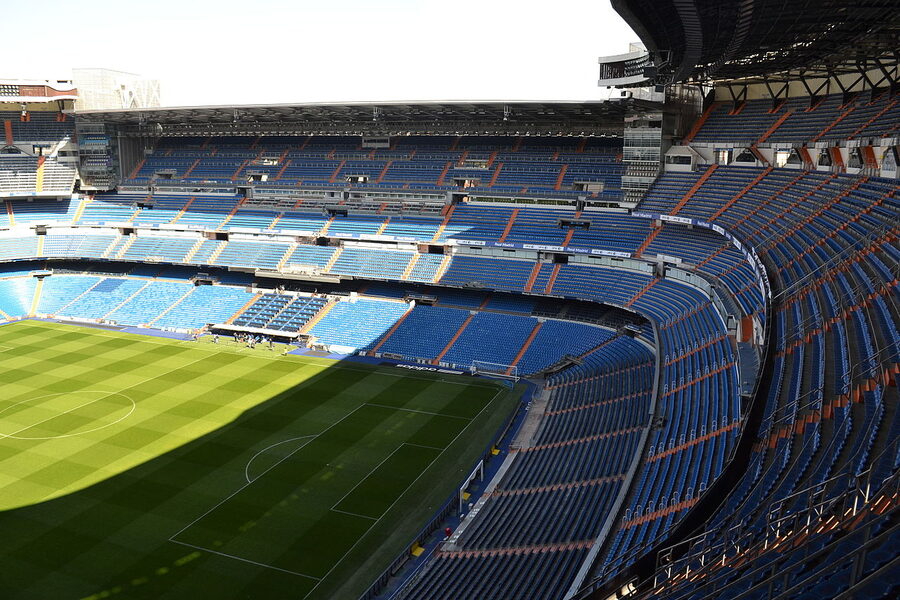
The Bernabéu Experience zone is where the new tour earns its place with under-twelves. The interactive exhibits, the VR, and the photo opportunities with players’ shirts are deliberately designed for kids who came expecting football and got bored at the trophy room. If you’re travelling with a young Real Madrid fan, this is the part to time the visit around: aim for the Experience zone in the middle of your visit, not the end, when their attention is highest.
The tour is stroller-friendly throughout, with lifts to all levels. The bottleneck for parents is the gift shop at the exit, which is small, expensive, and the only thing your child will remember. Set expectations before you walk in. The official scarf is €25, the kit is €110, and there’s no haggling.
If you’re combining the Bernabéu with the rest of Madrid
The most common itinerary I get asked about: Bernabéu in the morning, Prado in the afternoon, and one of the city’s flamenco venues that night. That stack works fine; the Bernabéu is a 90-minute commitment, the Prado realistically wants two-and-a-half hours, and a typical flamenco tablao show in Madrid runs about an hour after dinner. You’ll be tired but you’ll have done the three best Madrid commitments in a single day.
If you’re branching out: a full Segovia and Ávila day trip from Madrid doesn’t pair well with the Bernabéu on the same day, because both want a half-day each. Slot them on different days. The same goes for Toledo; it’s a separate full-day commitment.
Comparing transit: Madrid versus Barcelona for a stadium-tour visitor
One small note on logistics. Madrid’s metro to the Bernabéu is direct from Sol in fifteen minutes. Barcelona’s equivalent, getting to Camp Nou, is longer and slightly more annoying because the closest metro station is a five-minute walk on the wrong side of the stadium. Neither is hard, but if you’re scoring stadium-tour cities by ease of access, Madrid wins. If you’re a transit-card user, the Hello Barcelona Card covers Camp Nou metro trips and is worth the upgrade for a multi-day Barcelona stay; Madrid’s transit is cheap enough as single tickets that no equivalent card is necessary for a one-day visit.

Is the Bernabéu tour worth it?
Yes. With caveats. It’s worth it for football fans who haven’t done it before. It’s worth it for engineering-curious visitors who want to see the most ambitious stadium rebuild in modern football. It’s worth it for the trophy room, which is genuinely better than it was. And it’s worth it as a benchmark, the point of comparison every other club’s tour will be measured against for the next decade.
It’s not worth it for the same person twice in three years. If you did the old tour in 2019 or earlier, the new product is different enough to revisit. If you did it post-rebuild already, wait. There’s no third version coming soon.
Other Madrid worth-its
If the Bernabéu is one of the things you came to Madrid for, you’ll probably also want the rest of the city’s flagship visits. Think of the Bernabéu as 90 minutes of a planned half-day, not a full-day experience. After the tour I’d send you to the Royal Palace for the European-monarchy contrast, the Prado for the art, or out to Segovia and Ávila on a separate day if you want a Roman aqueduct and medieval walls in your trip. None of these reads like the Bernabéu, which is part of why Madrid as a city works as well as it does. If you came for football and stayed for the wider city, that’s the right move. Travellers chasing the same architecture-as-rebuild story across Europe will find Frank Gehry’s Fondation Louis Vuitton in Paris and the Heineken Experience in Amsterdam: two more buildings where corporate brand and built form sit on top of each other the way they now do at the Bernabéu.