
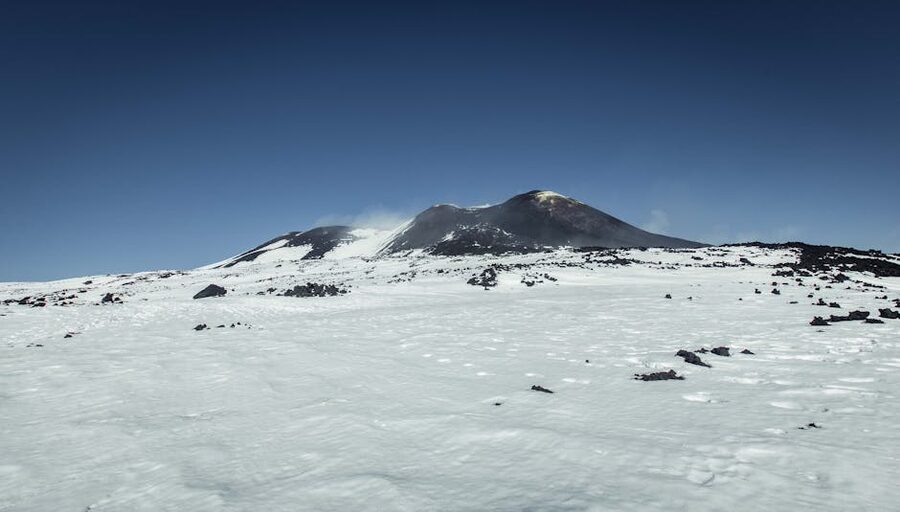
You step off the cable car at 2,500 metres and the temperature drops about ten degrees in three seconds. The forest is gone. The road is gone. What’s underfoot is a black-grey lava plain that crunches like broken pottery, and what’s above you is the steam from the summit cones, drifting sideways in a wind that wasn’t there at the bottom.
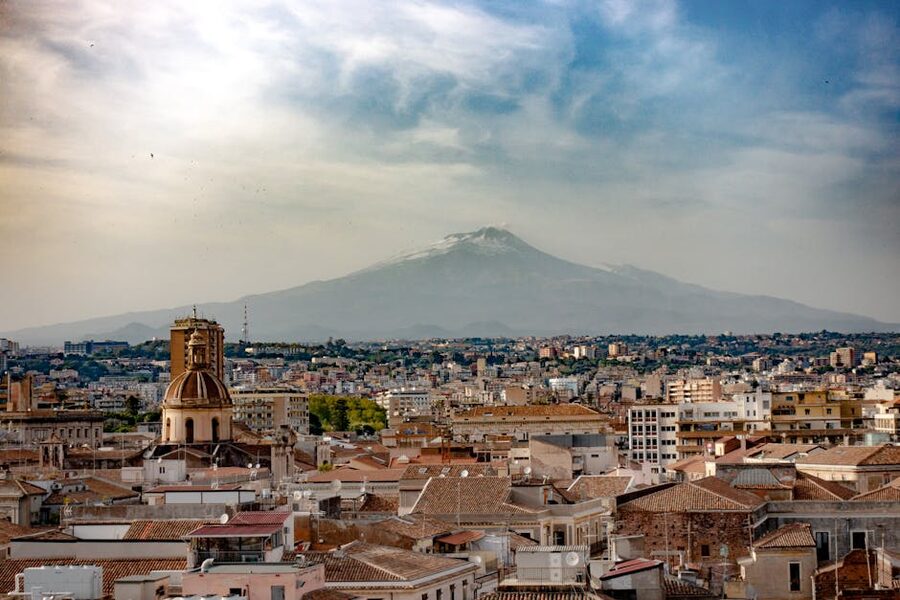
That’s Mount Etna. Not the postcard cone you saw from the plane window. The actual working surface of Europe’s most active volcano, which has been erupting on and off through every year of the 2020s, and which sits about an hour west of Catania.
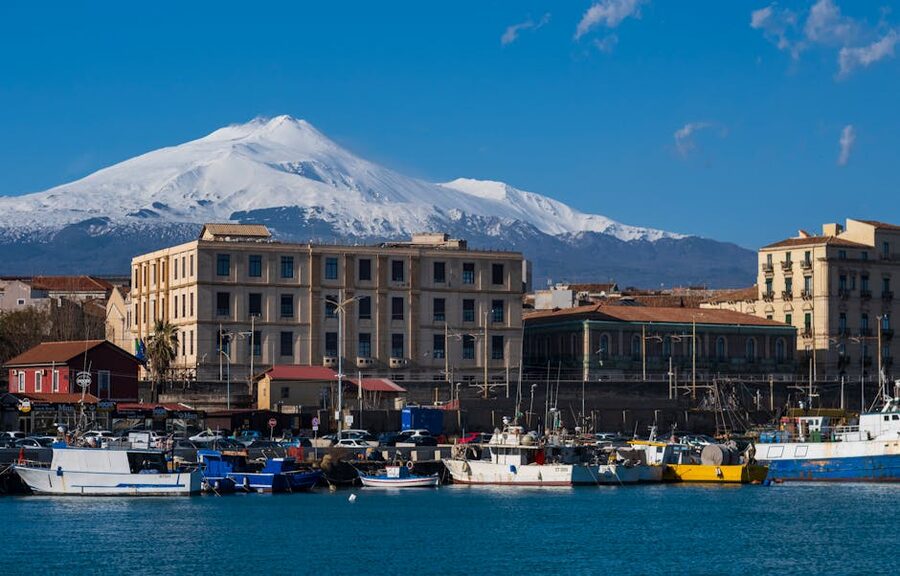
This guide is about how you actually get up there. From Catania, in a day, with the right tour. What you see at each altitude. Where the cable car ends and the jeep starts and the guided hike begins. What it costs, what it doesn’t include, and the version where you skip the operator and do it on a public bus for €12.
In a hurry? Pick one of these.
Best all-rounder, $70: the Catania Mount Etna day trip with tasting. Pickup in Catania, the Silvestri craters, a lava cave, honey and wine at the end. Done by lunch or by sunset, you pick.
If you want the actual summit, $124: the guided summit hike with cable car and jeep. Cable car to 2,500m, 4×4 to 2,920m, then a guide takes you above 3,000m. The only legal way to reach the active summit zone.
For the light at the end of the day, $71: the Etna sunset jeep tour. 4×4 up the southern flank, sunset from Piano Vetore looking back toward the sea, wine tasting in Zafferana Etnea on the way down.
The mountain you’re actually climbing
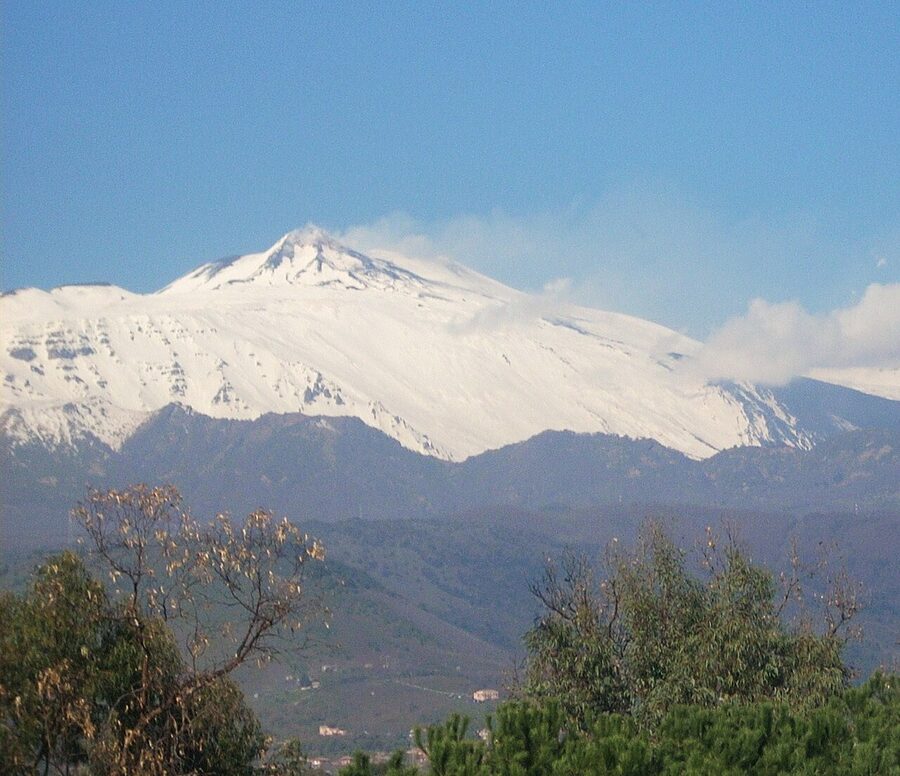
Etna is 3,357 metres on the day I’m writing this. I say “on the day” because the height changes. The 2021 paroxysm cycle pushed the southeast crater up by about thirty metres and the height numbers in old guidebooks and even Wikipedia drift. It is the tallest active volcano in Europe by a margin, almost three times the height of Vesuvius near Naples, and the pairing matters because the two volcanoes work in completely different ways. The other tall-volcano cousin worth knowing is Mount Teide on Tenerife, which is dormant and cable-car-served at 3,718m and gives the closest like-for-like comparison from elsewhere in southern Europe.
Etna leaks. Vesuvius holds. Etna has had over 200 separate eruption events in recorded history and is essentially always doing something at the summit, even if it’s just a steam plume. Vesuvius last erupted in 1944 and has been quiet since, which is why visiting Vesuvius from Pompeii is mostly a hike up to a dormant crater rim while visiting Etna is a hike to whatever the volcano is doing today.
The thing nobody tells you in the brochure: there are four active summit craters, not one. The Voragine, the Bocca Nuova, the Northeast Crater, and the Southeast Crater (which is the youngest and the one doing most of the recent show). They sit on the very top, above 3,200m, in a zone that’s permanently off-limits to unguided visitors because the activity changes by the hour. Park rangers and INGV volcanologists set the day’s limit each morning. On a good day with low gas readings, the limit might be 3,300m. On a bad day after a paroxysm, the limit drops to 2,500m and the Funivia closes the upper section.
That uncertainty is the article’s central thread. You are not visiting a static monument. You are visiting a working geological event, and the version you get is the version it gives you that morning.
The two sides of the volcano
Etna has two access roads, and which one you use changes the whole day.
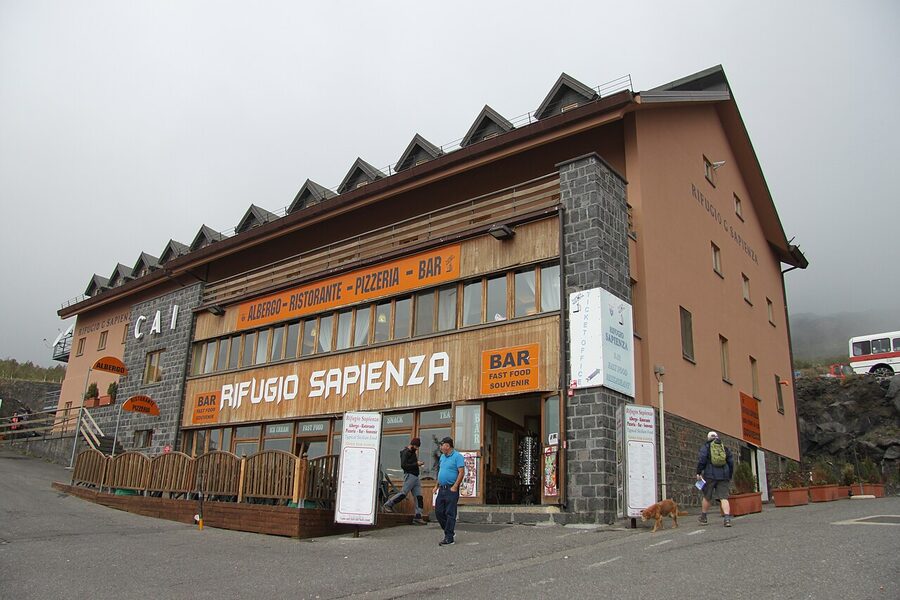
The south side goes up from Catania via Nicolosi to Rifugio Sapienza at 1,910 metres. This is where the Funivia dell’Etna cable car runs, where the AST public bus terminates, and where about 90% of day-trippers from Catania end up. There’s a row of restaurants, two hotels, the cable car station, and a parade of jeep operators with painted-on logos. It is busy. It works.
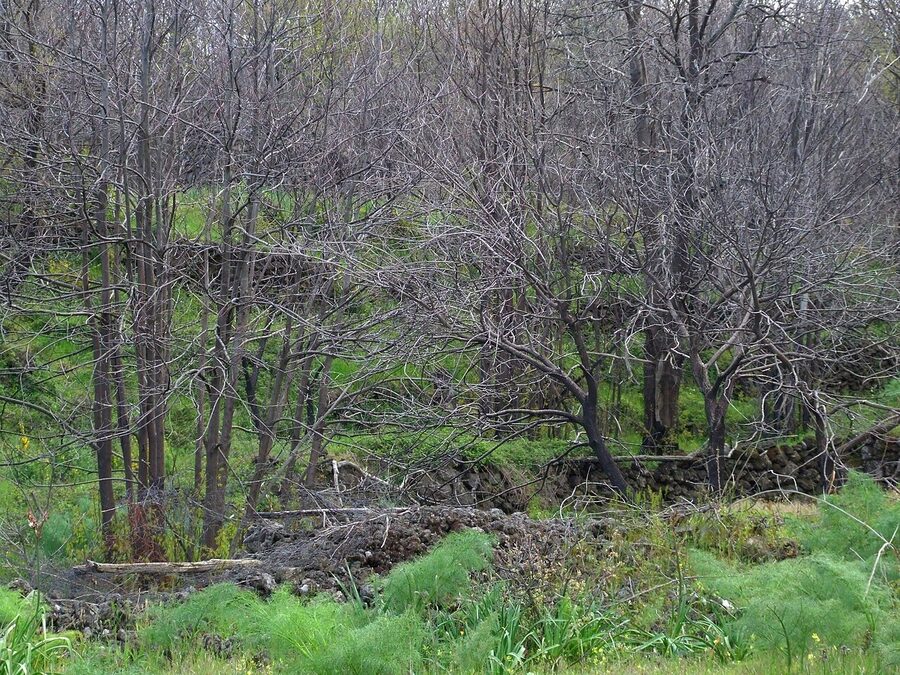
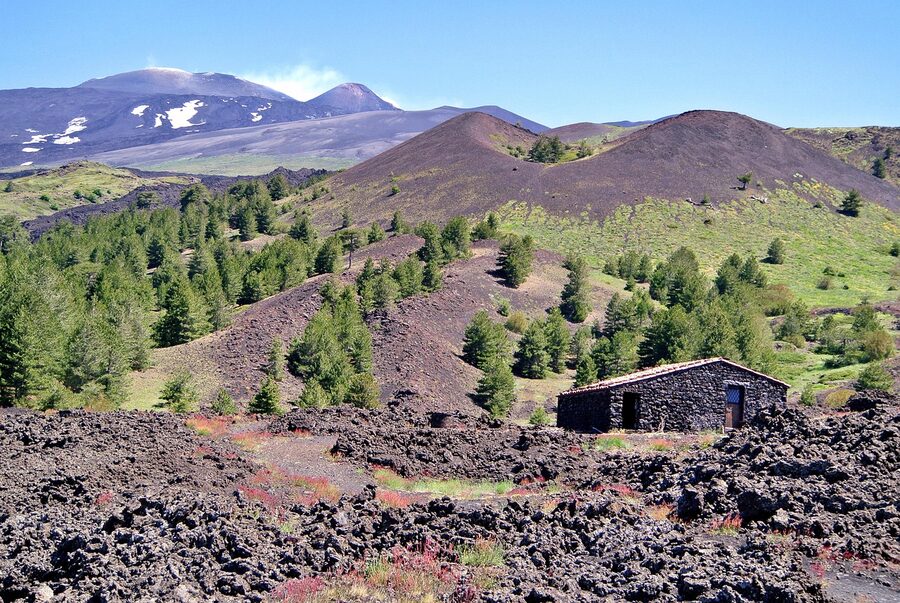
The north side goes up from Linguaglossa to Piano Provenzana at 1,800 metres. It’s quieter. The 2002 eruption wiped out the original cable car and ski lifts here and they’ve never been rebuilt, so you go up by 4×4 from the base, the same kind of rough-track approach that travellers know from a Verdon Gorge day from Nice. The trail-heads sit inside pine forest, the views back toward the Strait of Messina and the toe of mainland Italy are arguably better than the south’s view toward Catania, and it’s a 90-minute drive from Catania versus 60 minutes to Sapienza.
Almost every Catania day-tour goes south. If you want north side specifically, look for tours that say “Etna Nord” or “Linguaglossa” in the description. The summit hike I’d recommend defaults south because that’s where the cable car is, and the cable car is the only way to get above 2,000m without a five-hour walk.
How high you actually get
This is where most travellers get confused, so let me break it down by altitude band.
- 1,910m, Rifugio Sapienza: the road ends here. Cars, AST bus, every south-side tour. You can already see the Silvestri craters from the parking lot.
- 1,910–2,500m, the Funivia dell’Etna: the cable car runs from Sapienza to a station called La Montagnola. About 15 minutes one-way. €50 round-trip in 2026, includes nothing else.
- 2,500–2,920m, the 4×4 Unimog: a bus the size of a small lorry, built for lava roads. Operated by the Funivia. Adds about €40 to the cable-car ticket. About 25 minutes up.
- 2,920m–whatever the day’s limit is: on foot only, with an authorised mountain guide. Can be 3,000m, can be 3,300m, can be cancelled outright. The summit hike tour I list further down handles this end of the climb.
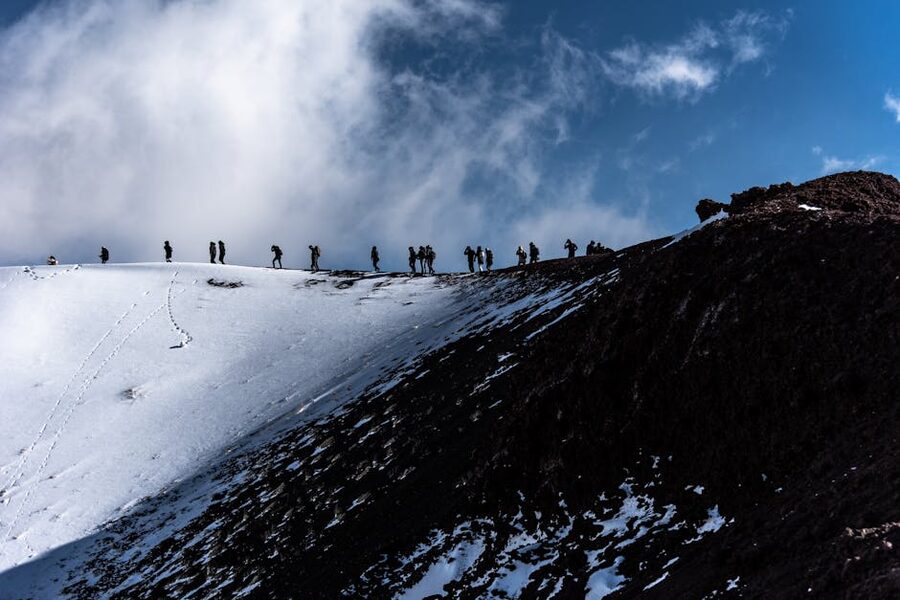
The trap is buying the cable-car-only ticket and assuming you’ve “done Etna.” You haven’t. La Montagnola at 2,500m is a viewing platform with a refreshment stand. The actual volcanic moonscape, the active crater rims, the Valle del Bove edge: all of that is above the cable car, and you need either the jeep, your own legs and a guide, or a tour that bundles everything together. The day-trip with tasting I list first below is the bundled version. The summit hike is the legs-and-guide version.
Three Etna tours worth booking
Three tours, three different days. Pick by what kind of trip you want, not by price.
1. Catania Mount Etna Morning or Sunset Day Trip With Tasting: $70
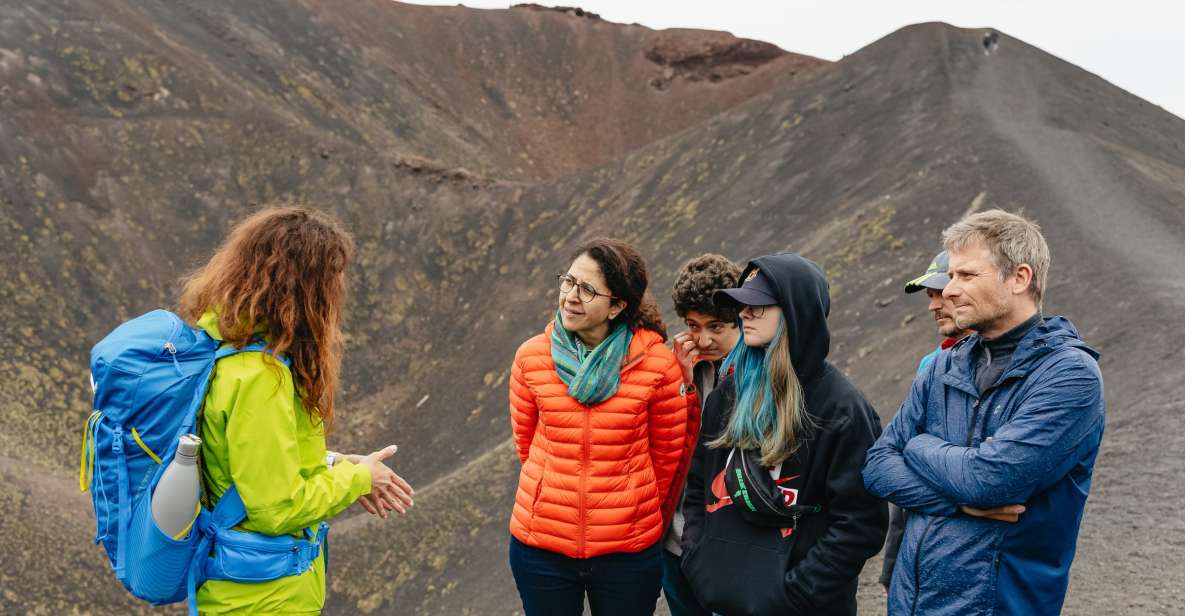
This is the right pick if you want one Etna day and don’t want to plan it yourself. Pickup in Catania, the Silvestri craters at 1,900m, a short walk into a lava cave, and a tasting of local wine and Etna honey to finish. Our full review covers what’s on the tasting plate and why the morning slot beats the sunset one in summer.
2. Mount Etna Guided Volcano Summit Hiking Tour with Cable Car: $124.61
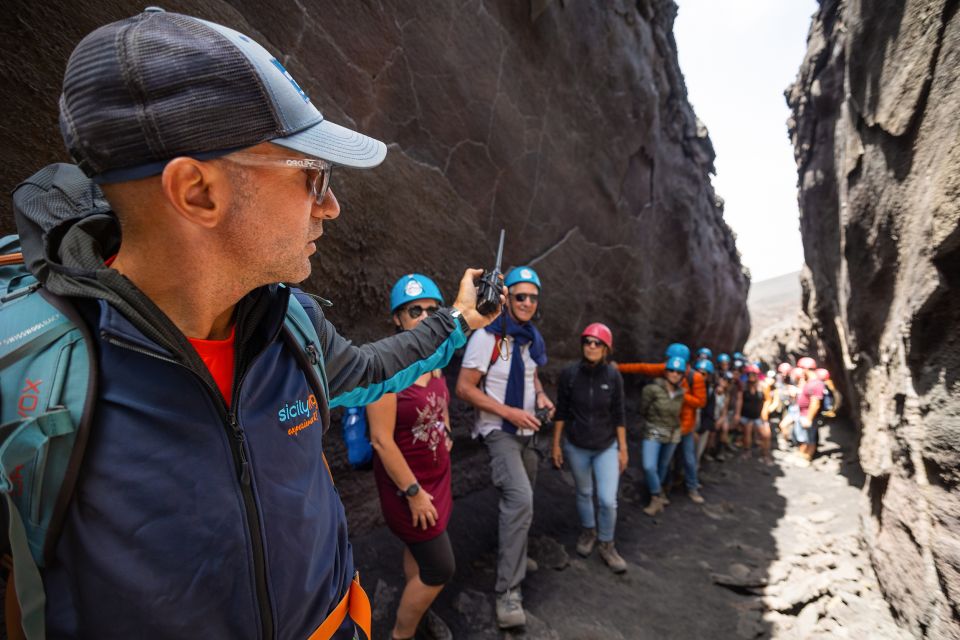
Pick this if “I went up Etna” needs to mean something above 3,000m. The cable car gets you to 2,500m, the jeep to 2,920m, and an authorised mountain guide takes you the rest of the way to whichever line INGV has set for that morning. Our full review explains why the guide is non-negotiable above the jeep stop.
3. Catania Mount Etna Sunset Jeep Tour: $71
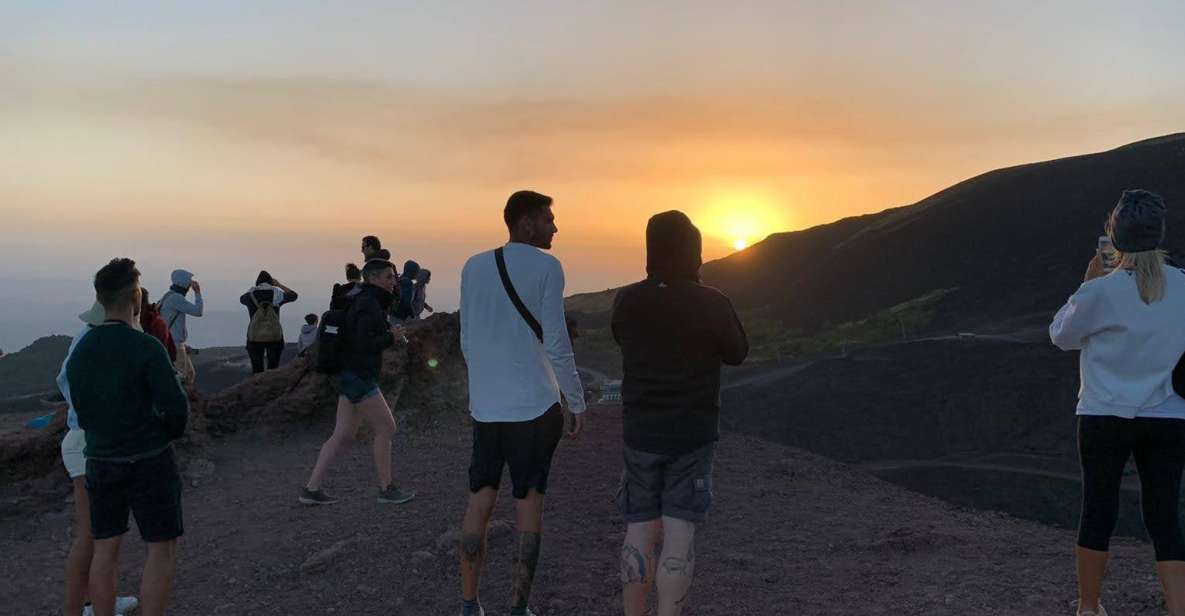
This is for the trip where Etna is the evening, not the day. The 4×4 climbs through chestnut woods to Piano Vetore at about 1,700m, you get the late light over the Ionian Sea, and you finish with a wine tasting in the volcanic-soil vineyards of Zafferana Etnea. Our full review notes the small-group cap is what makes this one worth the slight premium over the morning version.
Doing it yourself: the AST bus and the Funivia
If you’re the kind of traveller who’d rather pay €12 than €70, the public bus exists and it works. The AST bus number 8027 leaves Catania Centrale at 8:15am, gets to Rifugio Sapienza around 10:00am, and turns around at 4:30pm to be back in Catania by 6:30pm. €6.60 each way at the kiosk inside the bus station. There is one bus a day. Miss the 4:30 return and you’re paying for a taxi back, which will not be cheap.
From Sapienza you decide what you want. Cable-car-only at €50 round-trip stops at 2,500m. Cable car plus 4×4 plus a guide on foot at the top runs around €99 in 2026 if you buy it at the Funivia desk. There is no walk-up summit-hike option that gets above the jeep stop without a guide. The mountain has been guide-mandated above 2,920m since the 1979 fatalities, when nine tourists were killed by a sudden phreatic explosion at the Bocca Nuova rim.
The tradeoff: the bus saves you about €50 versus the cheapest tour, but you give up pickup, the lava cave, the tasting, the running commentary, and the flexibility to do the bus + Funivia bundle without queuing for tickets at 10:01am with the entire bus behind you. If you’ve travelled in Italy by public transport before, say you’re coming off a Lake Como day from Milan or a Cinque Terre run from Florence, or a Caminito del Rey transfer in Andalusia, the bus version probably feels familiar. If this is your one Sicily day and you want a guide who knows what year a particular lava field is, take the tour.
What to wear at 2,500m
The temperature at the top of the cable car is roughly fifteen degrees colder than Catania. In April this means Catania at 22°C, La Montagnola at 7°C with wind. In August: Catania at 35°C, La Montagnola at 18°C with wind. Whatever you’re wearing in town, add a fleece and a windproof shell, the same alpine-layering rule that applies above the cable car at Chamonix and Mont Blanc.
Also: solid shoes. Not trainers. The lava is sharp the way coral is sharp, and a soft-soled shoe will be cut through in three trips. The cheaper tours rent boots at the meeting point. The summit hike requires hiking boots and provides a helmet, gaiters, and a windproof jacket from the operator’s kit. If you’re booking the bus-and-Funivia DIY version, take your own boots, and check the gaiter rental at the cable-car building before you go up.
The wine and the pistachios
Volcanic soil grows things ordinary soil can’t. Etna DOC wines, made from Nerello Mascalese and Carricante grapes on the eastern flanks, have become some of the most-talked-about Italian wines of the last decade. They hold acidity at the heat of the south because the vines sit at 600 to 1,000 metres, much higher than most Italian wine zones. Almost every operator-led tour finishes with a tasting at a Zafferana Etnea or Linguaglossa winery. It’s not a tacked-on extra; it’s the second thing the volcano is famous for after the lava.
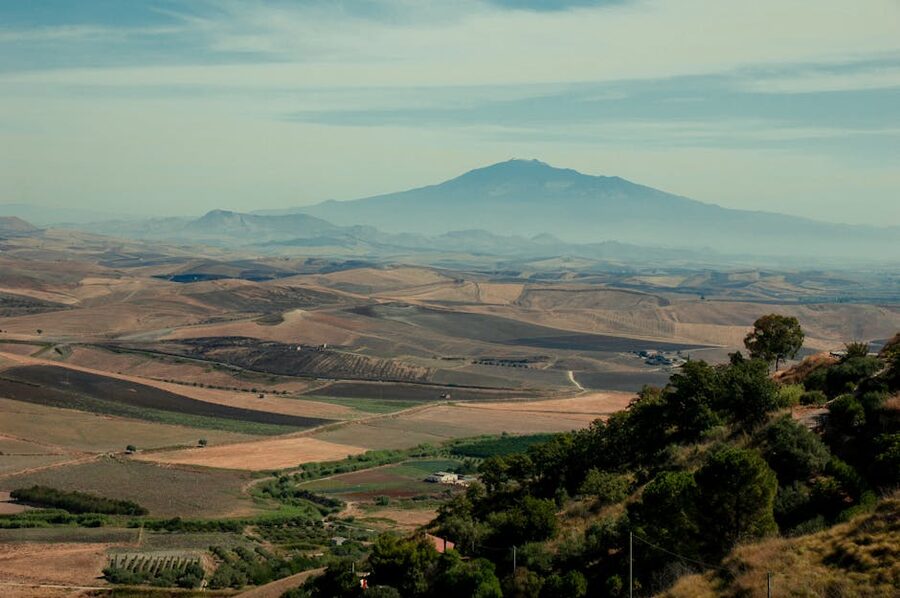
The other thing: pistachios. Bronte, on the western slope of Etna at about 750m, grows the protected DOP green pistachio that Italian pastry chefs guard like a state secret. They’re harvested every other year, in early September, from trees that grow directly out of cracks in old lava flows. If your tour passes Bronte, the gelato shops there sell pistachio gelato that’ll ruin every other pistachio gelato you’ve had.
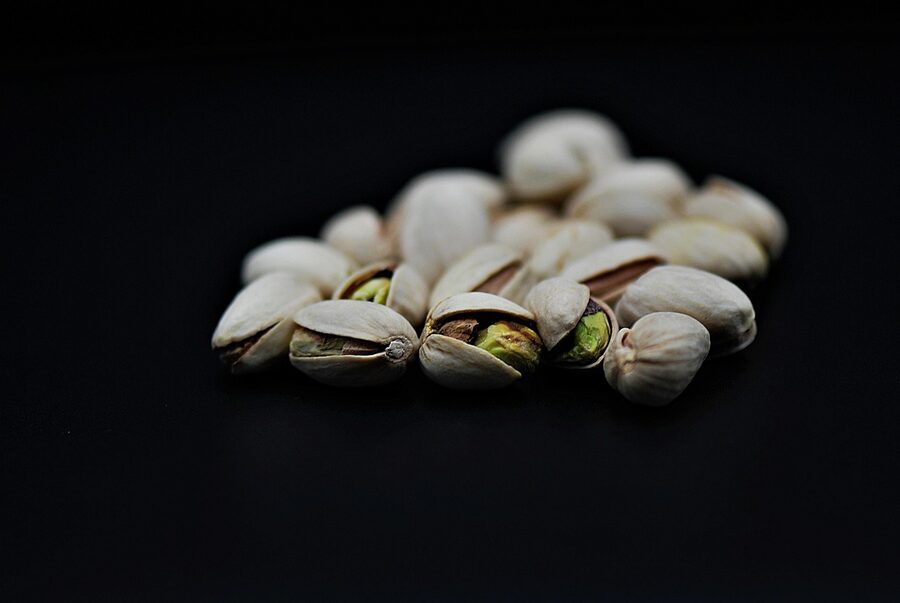
If you’re tracking Italian food through this trip alongside eating pizza in Naples or a pasta class in Florence, the Etna day adds the wine-and-pistachio dimension that the mainland trips don’t have.
Lava caves and the Valle del Bove
Two specific things almost every tour visits, and both are worth the stop.
The Grotta del Lampone, or whichever lava tube your tour happens to use that day, is a hollow tunnel formed when the outer surface of a lava flow cooled and solidified while the molten core kept moving and drained out. You walk in for maybe 80 metres with a head torch. The walls are polished smooth where the last flow scoured past, and the floor is rippled where it solidified mid-motion. It’s the kind of geology you read about in textbooks; here you can put your hand on it.
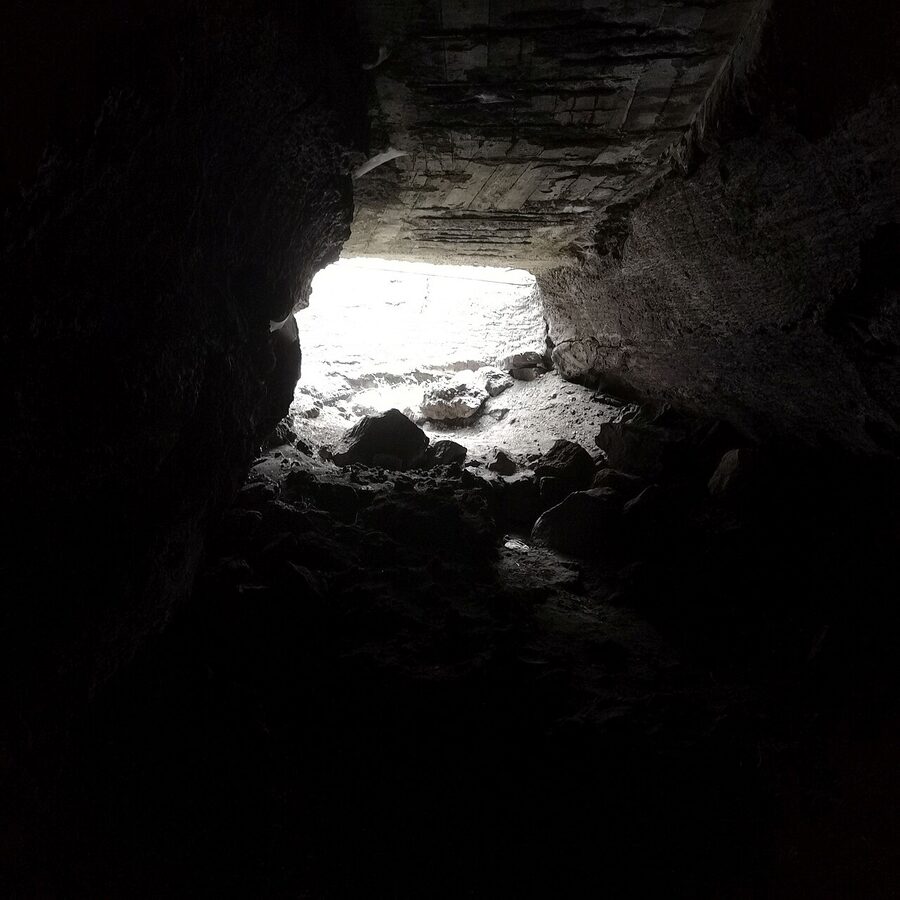
If you’ve already done one of the underground walking tours on the mainland (the Naples Underground network or the Rome catacombs), the Etna lava tube is geologically the opposite. Those are quarried out of soft tuff, which itself is solidified Vesuvian ash. Etna’s tubes are hollowed out by the rock that made them, in real time, from the inside.
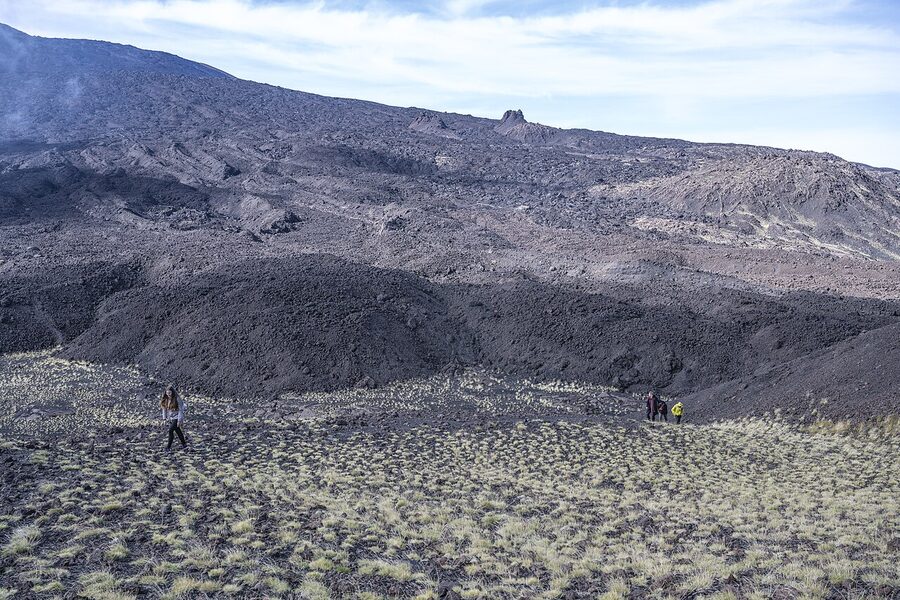
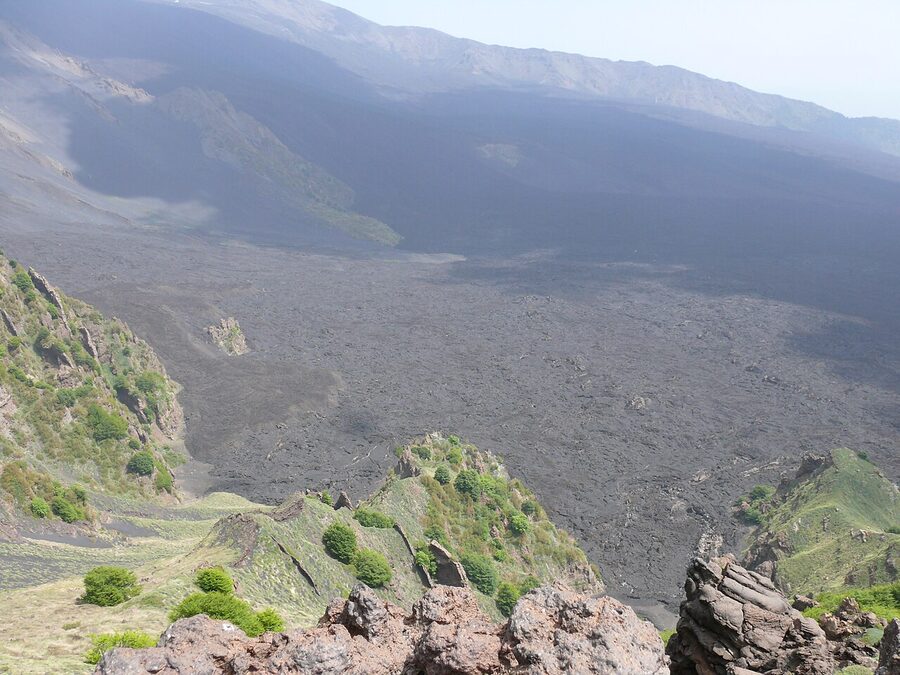
The Valle del Bove is a different beast. It’s a four-kilometre-wide horseshoe collapse on Etna’s eastern flank, formed by a massive prehistoric landslide and subsequently used by the volcano as its main lava drainage. Standing on the rim and looking down into the Valle del Bove is the closest most visitors get to feeling the scale of the mountain. You can see lava-flow scars from individual eruption years stacked on top of each other like a layered cake, with the freshest 2020s flows on top, still glassy black.
The Silvestri craters: the side-trip everyone takes
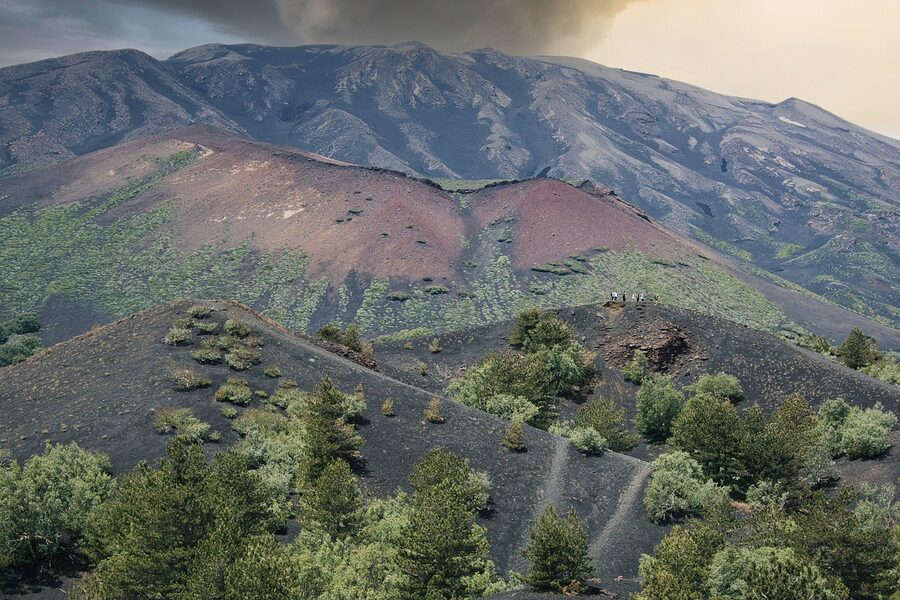
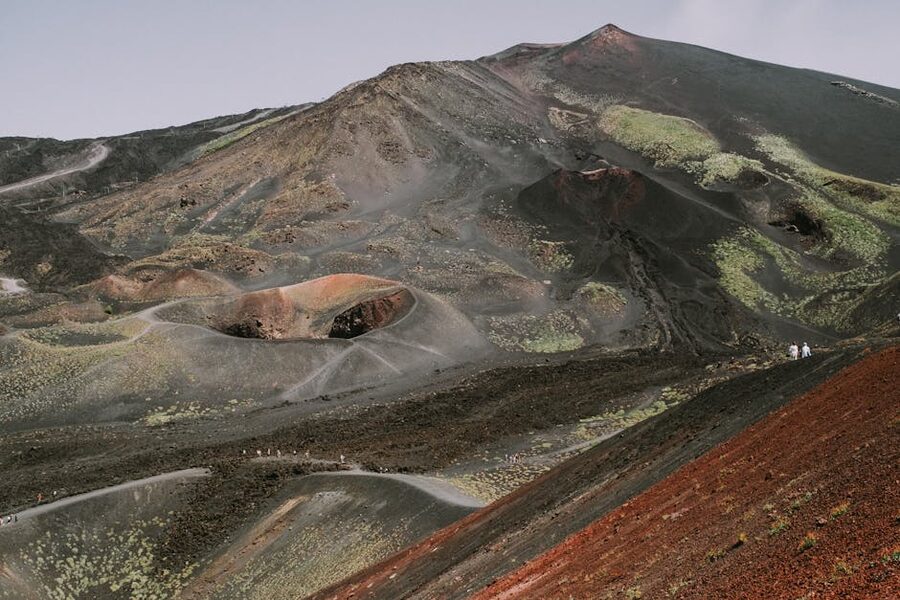
The Silvestri craters sit right next to the road at Rifugio Sapienza, formed during the 1892 eruption. There’s an upper crater (Silvestri Superiore, about 60m deep) and a lower one. Every day-trip stops here for 20 to 30 minutes because they’re free, photogenic, and you can walk a full circuit around the upper crater rim in about fifteen minutes.
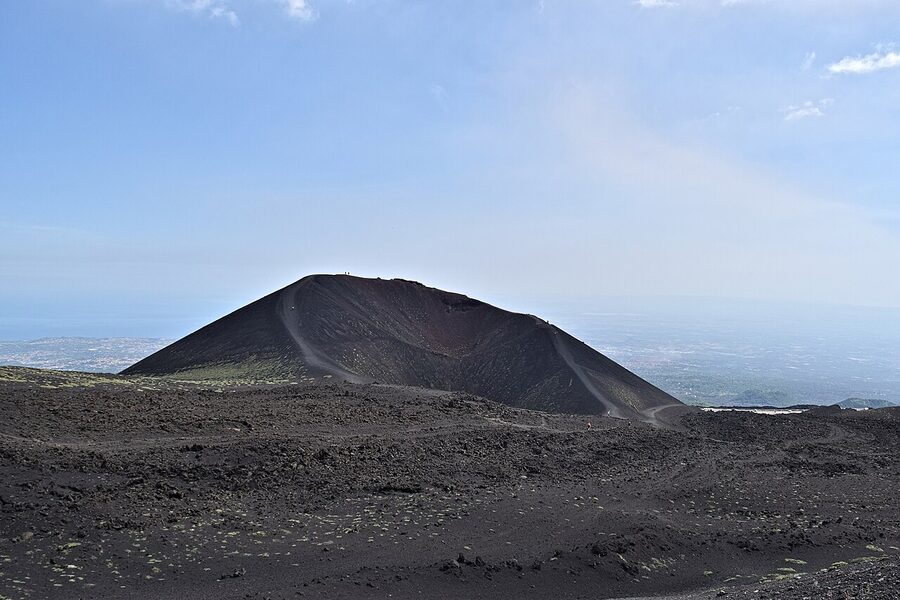
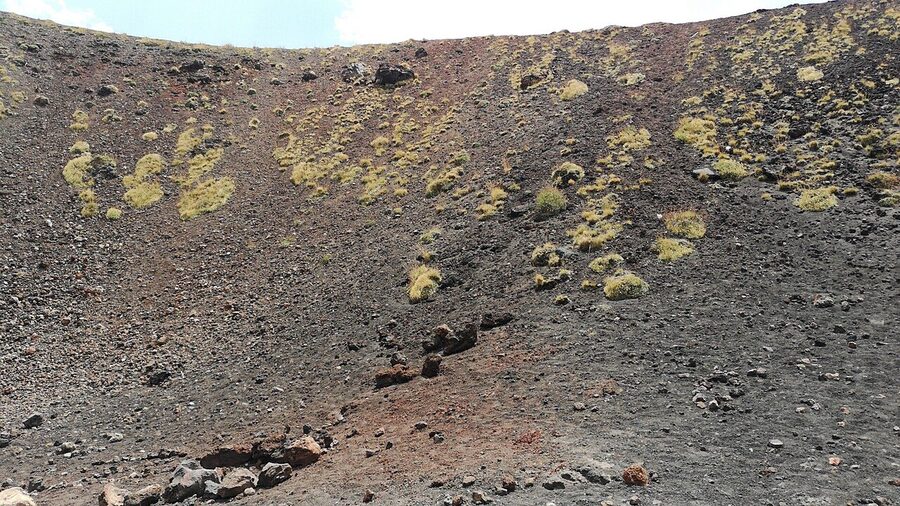
This is also the only point on the visit where you can stand inside a real crater without a guide and without a fee. The bottom of the lower Silvestri is reachable by a short scramble down the loose ash, although the climb back up is harder than it looks. Most tours don’t bother going into the bottom; they do the rim, take the photos, get back in the bus.
A working volcano: what’s happened recently
Here is what makes Etna different from every other tourist volcano in Europe. It actually erupts. Often. The 2020s alone:
- 2021: over 50 paroxysms in 12 months from the Southeast Crater, ash clouds reaching 10km altitude, Catania airport closed repeatedly.
- 2022: a quieter year by recent standards, but a fissure eruption in May–June dropped lava into the Valle del Bove.
- 2023: ash plumes through summer, Catania airport closed twice for ash on the runway.
- 2024: a major paroxysm cycle in late summer; this is the year of the photo above.
- 2025: ongoing strombolian activity at the Voragine crater through spring, summit zone closed for several days in March.
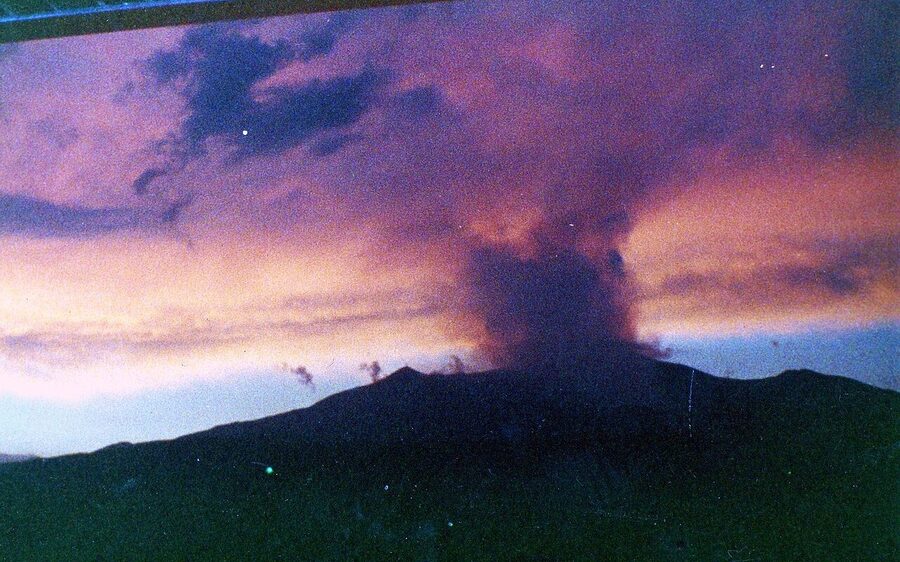
None of these eruptions has killed a visitor in living memory. The hazard zones are well mapped, the guides have radio contact with INGV, and the Funivia closes the upper section before the lava ever reaches it. But the air gets ash on bad days, and an active paroxysm will reroute your tour, shorten the high-altitude portion, or cancel it. The realistic scenario: the operator picks you up, drives to Rifugio Sapienza, sees the Funivia sign that says “chiuso per attività vulcanica,” and pivots the day to the Silvestri craters and the lava cave at lower altitude.
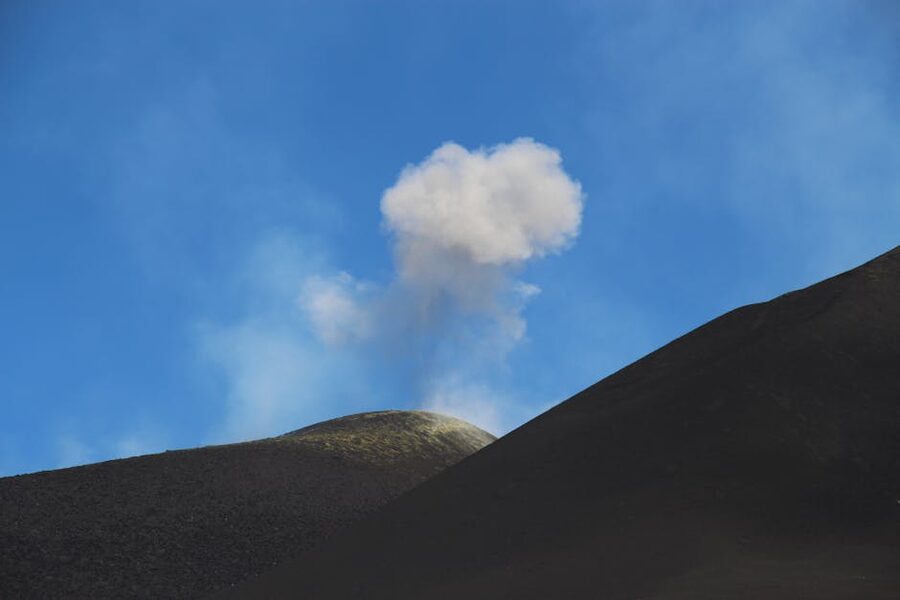
If that happens, the tour has to refund the proportional cable-car fee but not the booking. Read the fine print before you book. The summit-hike tour I list above has a full-refund clause for guide-cancelled summit days; the day-trip-with-tasting has a partial.
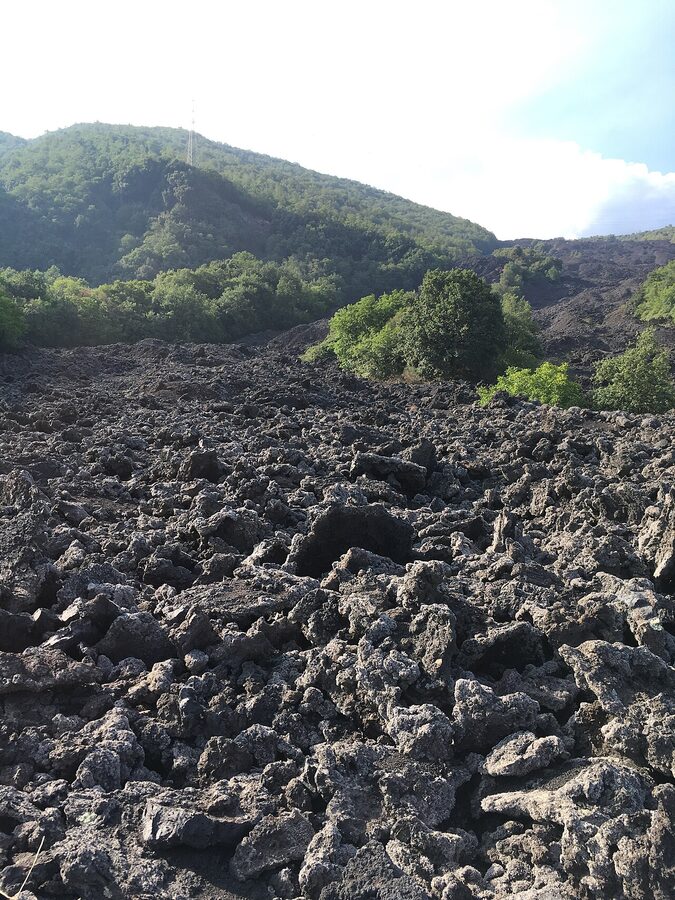
Older lava: 1669, 1928, 1992
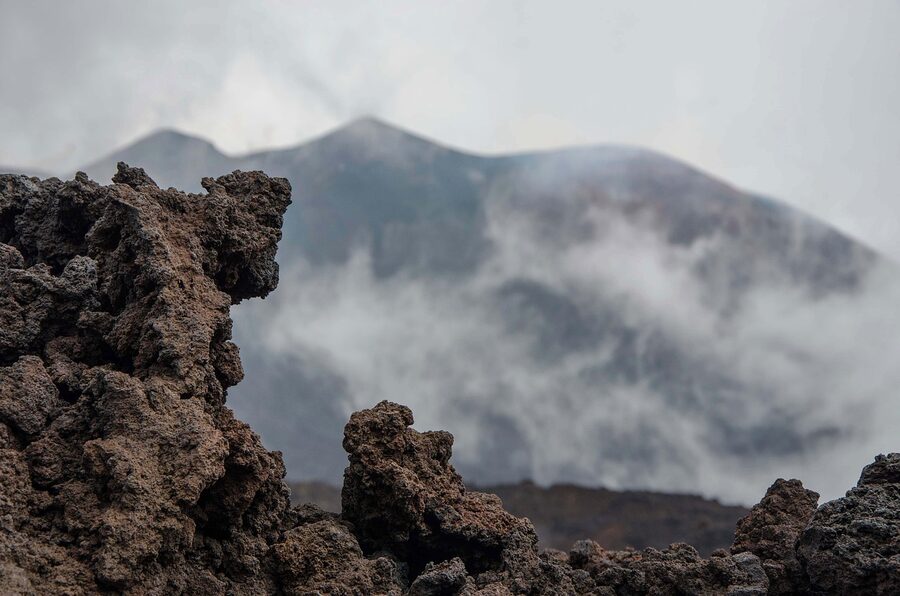
Three eruptions are worth knowing about because their flows are still visible from the road or from the cable car.
The 1669 eruption was the big one. A flank fissure opened at 850m and the lava ran for four months, eventually reaching the sea on the south side of Catania. It buried 14 villages, killed an estimated 15,000 people in the wider valley, and reshaped the whole southern coast. You can still walk on the 1669 flow at the edge of Catania today; the black stone walls of the Castello Ursino are partially the 1669 flow that lapped against them. The volcanic-stone construction you see all over Catania is, almost without exception, recycled 1669 basalt.
The 1928 eruption destroyed the village of Mascali in two days. The townspeople were evacuated in an organised rail operation, watched their homes vanish under 25 metres of lava, and rebuilt the village a kilometre to the south. Mascali Nuovo (new Mascali) is the village you pass on the train from Catania to Taormina. The original site is a black field with a small commemorative chapel.
The 1992 eruption is the one I mentioned above. Lava from the southeast flank threatened Zafferana Etnea, the army intervened, the flow was diverted, the village was saved. Watching the documentary footage of soldiers dropping dynamite-cast concrete blocks into a moving lava channel is one of the strangest engineering operations you’ll ever see, and the village’s wine industry (which is what your tasting may be at) owes its continued existence to that operation.
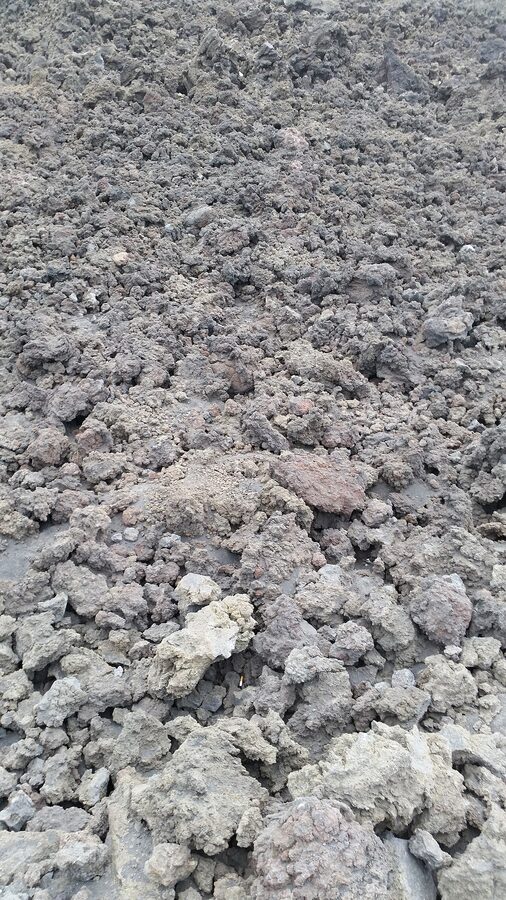
If the historical layer interests you, the lower-altitude visit to the 1669 lava field at the edge of Catania is something almost no day-tour includes. You can get there yourself in 15 minutes from the city centre by foot or bus. It’s a useful counterpoint to the high-altitude trip, a reminder that Etna’s most famous eruption didn’t happen at the summit you climbed, but down at sea level where the city is.
When Etna closes (and how to know)
Three things can shut down your day:
Active paroxysm. If a major eruption is in progress, the upper Funivia section closes and any guided summit hike is cancelled. The morning’s call gets made by INGV and the Funivia operator together, usually around 7am. Tours that depart from Catania at 8am will know by then; tours that depart at 6:30 will sometimes leave anyway and pivot to lower-altitude alternatives.
Weather. The Funivia closes for high winds (above about 70 km/h at the upper station). It closes for thick cloud that drops the mountain visibility below 50m, because at that point the operators can’t safely run the lift. It runs in snow, in rain, in fog up to a point. Winter weather is more reliable than you’d think; it’s the spring shoulder months (March, April) that get the most cancellations.
Booking confusion. Less weather, more human. The Funivia website is in Italian, the booking flow is unclear if you don’t read Italian, and the upper-jeep portion is usually only sold at the desk on the day. If you’re doing the DIY version and you arrive at the cable car at noon, the upper jeep slots may already be sold out for that afternoon. The package tours hold their slots in advance, which is one of the reasons they cost more.
Easiest way to check the morning’s situation: the Funivia website posts a status banner each day, and INGV’s bulletin (in Italian, but Google-translatable) gives you the current activity level by colour code. If you see “rosso” or “arancione,” expect cancellations.
Pairing Etna with Sicily
If you’re in Catania for two or three days, Etna eats one full day. The pairings that actually work:
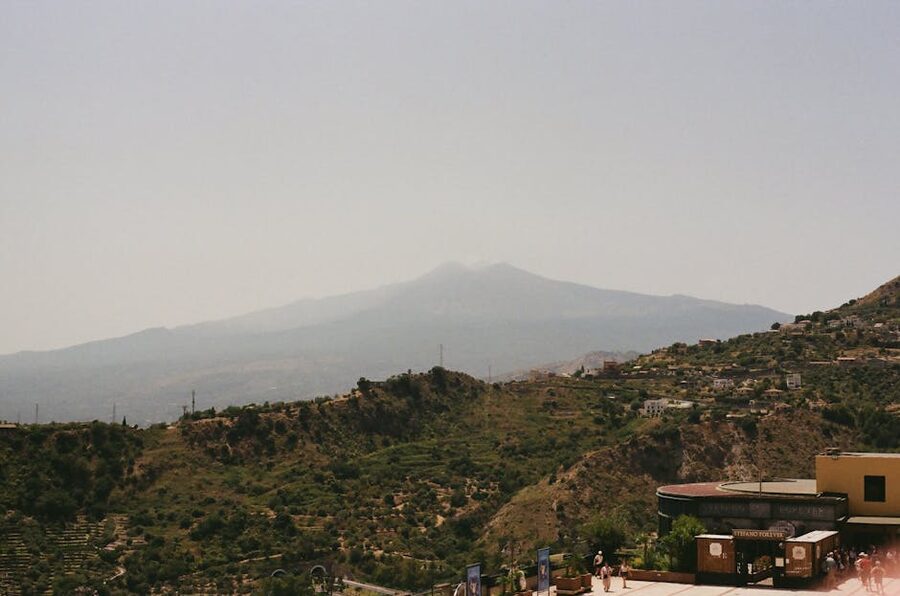
Etna + Taormina: the most popular combo, sold by every operator as a single full-day tour. Etna in the morning, Taormina’s Greek theatre in the afternoon, back to Catania by 7pm. It’s a long day; you’ll be tired. The view of Etna from Taormina’s theatre is genuinely one of the great views in Italy, but you’ve already had the close-up version, and the trade-off is rushing both. If you have three days, do them separately.
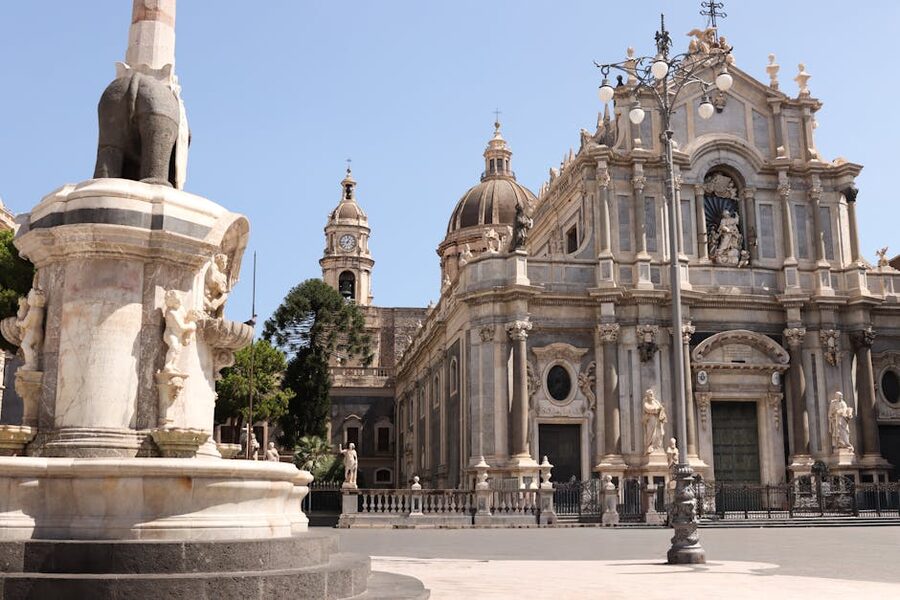
Etna + Catania food walk: after a high-altitude morning, an evening at La Pescheria fish market and a granita with brioche somewhere is the right counter-weight. You don’t need a tour for this. Just walk into central Catania around 6pm and eat your way from Piazza del Duomo south.
Etna + Alcantara Gorges: the Alcantara Gorges are basalt columns formed by a prehistoric Etna lava flow that cooled in an old riverbed. They’re a 40-minute drive from the cable car. Several tours bundle this as Etna + Alcantara for a full day. Worth it if you like geology; skippable if you’ve already seen the lava-cave version.
The pairing I’d specifically not recommend: Etna and a major archaeological site in the same day. Pompeii and Vesuvius work as a pair because they’re 20 minutes apart and tell the same story. Etna with the Pompeii ruins would mean a 4-hour ferry day eating both ends. If you’re combining volcano-and-archaeology in your Italy itinerary, do Vesuvius from Naples for the archaeological pair, and Etna for the live-volcano experience. They are completely different days.
What you take home
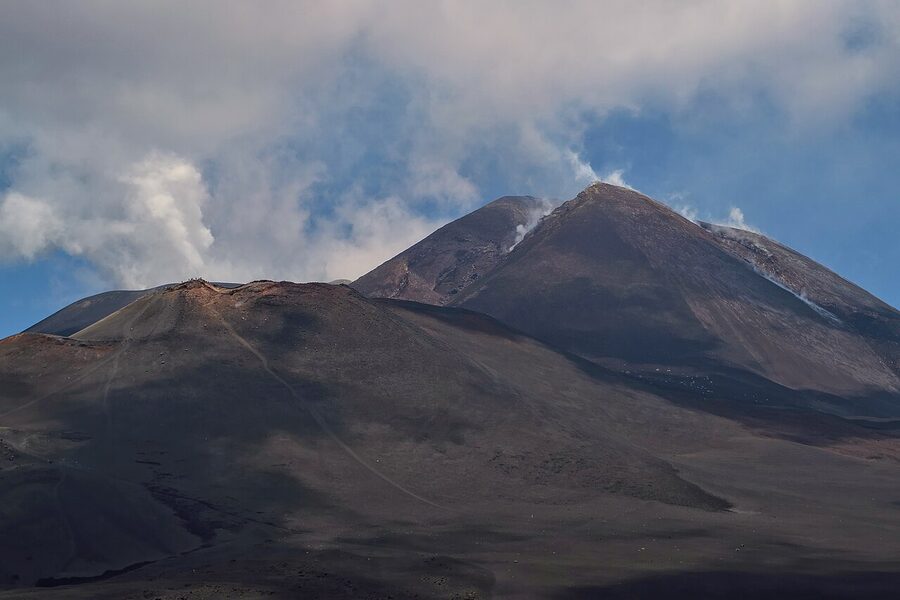
Etna is the rare landmark that doesn’t pose for the camera. The version you photograph in March will not be the version you photograph in October. The summit altitude limit you hit on the day will depend on a meeting that happens at 7am in a building you’ll never see. The mountain is famous because it works, and a half-day with a guide on a working volcano in Europe is a thing you can’t buy on the mainland.
If Mount Vesuvius is the volcano of Italian history, the one that buried Pompeii and has been quiet since 1944, Etna is the volcano of Italian present. They both belong on a Sicily-and-Campania itinerary, but they answer different questions. Vesuvius is what a volcano did once. Etna is what a volcano does now. Pair the two if you can; if you can’t, take the live one.
And while you’re in this part of Italy, it pairs naturally with the slower south. The Amalfi Coast from Sorrento or a boat day to Capri works as the recovery half of the trip after a Sicily volcano day, and a visit to the Sassi of Matera closes the southern Italy loop with the only town in the country older than Etna’s recorded eruption history.