
It’s the third song. The cantaor has been mostly contained until now, working through a slower form, voice steady. Then he reaches for a note he has no business reaching for, and his voice cracks open on the way up. Not a stumble. The point. The whole room understands at the same instant that this is what we came for, and the dancer who has been still on a chair at the back of the stage stands up.
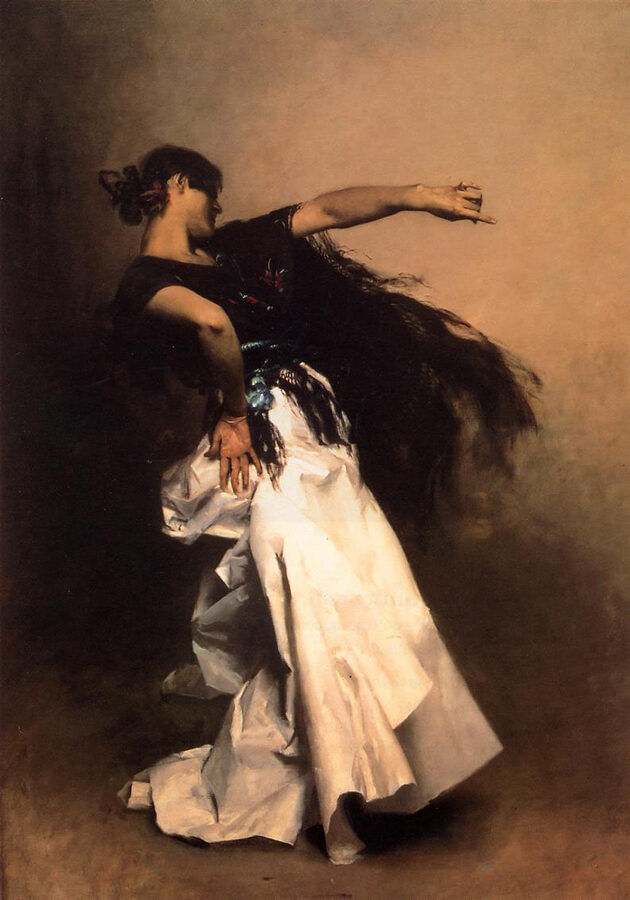
Flamenco is from Andalusia. Not Barcelona. That matters, and we’ll come back to it. But Barcelona has been a flamenco city for longer than most visitors realise, and on a good night in a small tablao here, the form lands as hard as it does in Seville. This is a guide to the venues that are worth your evening, the ones that aren’t, and how to read what you’re actually watching.
In a Hurry: Three Picks Worth Booking
- Flamenco Show at the Theater ($29): the most-booked show in Barcelona; theater seating, an hour, a drink option that’s actually worth adding.
- The Tarantos Flamenco Show ($29): the historic 1963 tablao on Plaça Reial; 40 minutes, three shows a night, the closest thing to the gypsy roots of the Somorrostro.
- Tablao Flamenco Cordobés on La Rambla ($55): the splurge; a real tablao with reputation, a drink included, longer than the others.
First, the Honest Bit: Barcelona Isn’t the Homeland
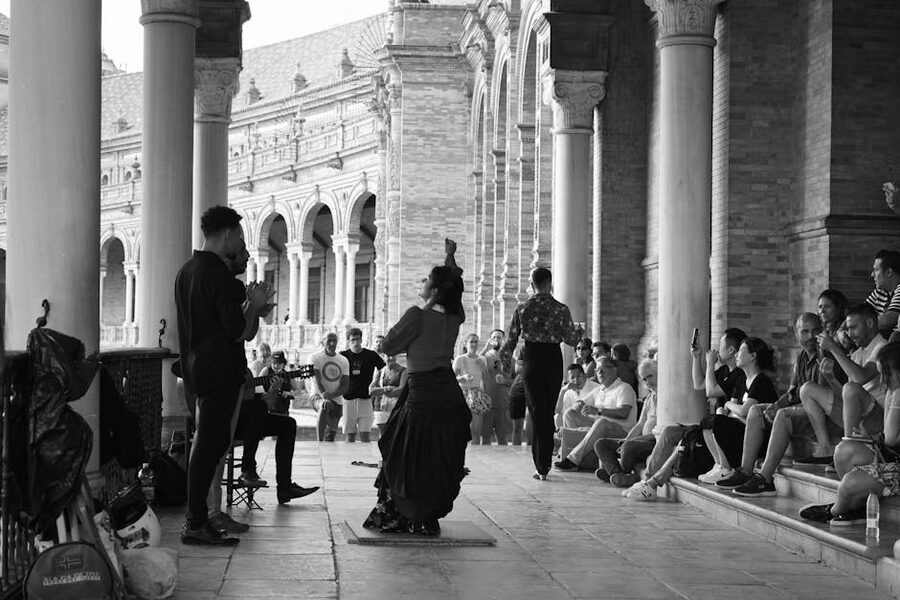
Flamenco grew out of Andalusia, in the gypsy quarters of Seville, Cádiz, Jerez, and the caves of Granada’s Sacromonte. It’s a fusion of Spanish folk song, Romani melody, and Moorish phrasing that took centuries to settle into the form you’ll watch tonight. Catalonia is a different country, culturally. Catalans speak Catalan, dance the sardana on Sunday afternoons, and built a national identity that for a long time held flamenco at arm’s length.
So why is Barcelona one of the best cities in Spain to see flamenco? Two reasons. The first is migration. Through the early twentieth century, Andalusian families moved north for work and brought the music with them. By the 1940s, Barcelona had a real flamenco neighbourhood: the Somorrostro, a Romani shanty town on the beach where the Olympic Village now stands. The other reason is one specific name, and we’ll get to her in a minute.
What this honesty buys you: don’t go in expecting Seville. If you’ve already done flamenco in Seville or you’re heading there afterwards, you’ll feel the difference. Barcelona’s tablaos are tourist-aware in a way that Seville’s bar-back peñas are not. That’s not a knock. It just means the show is shaped to be readable by a first-timer. For most travellers, that’s exactly what you want.
Carmen Amaya, and Why Barcelona Has a Claim
Carmen Amaya was born in 1913 in a beach shack in the Somorrostro, the Romani slum that ran along Barcelona’s coast. She started dancing for tourists for coins as a child. By the 1940s she was the most famous flamenco dancer alive, performing for Roosevelt at the White House, holding the screen in Hollywood films, and rewiring what flamenco dancing could be by doing the men’s footwork in a women’s dress and refusing to give either part back.
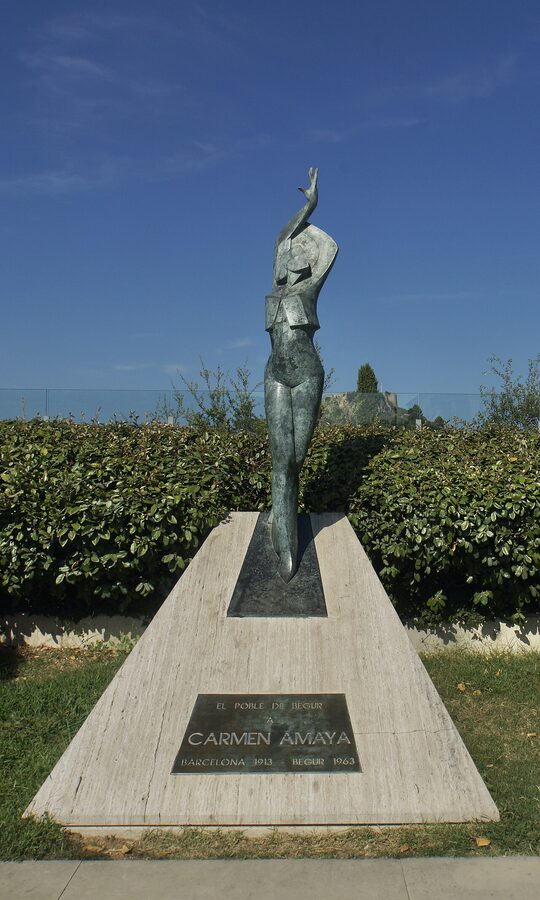
The 1963 musical Los Tarantos, filmed in the Somorrostro the year Amaya died, is what gives the Tarantos tablao its name. The Somorrostro itself was demolished in the 1980s for the Olympic Village. There’s a fountain to her now, on the promenade where her house used to stand. The point: when you watch flamenco in Barcelona, you are not watching an Andalusian import that never quite belonged. You are watching a tradition that put down roots here, produced one of its giants, and has been performed by Catalan-born artists for three generations. The honesty stands. The footnote matters.
Theater Show vs Tablao: Pick the Right One for You
This is the one decision that matters. Everything else flows from it.
Theater shows happen in proper proscenium-stage venues. The lighting is designed. There are usually four to six dancers, a lead cantaor, two or three guitarists, and percussionists. The choreography is tighter and more legible. You sit in rows, you don’t have a drink in your hand during the performance, and the audience is mostly tourists. The flagship in Barcelona is the show at the City Hall Theatre on Rambla de Catalunya, the most-booked flamenco experience in town.
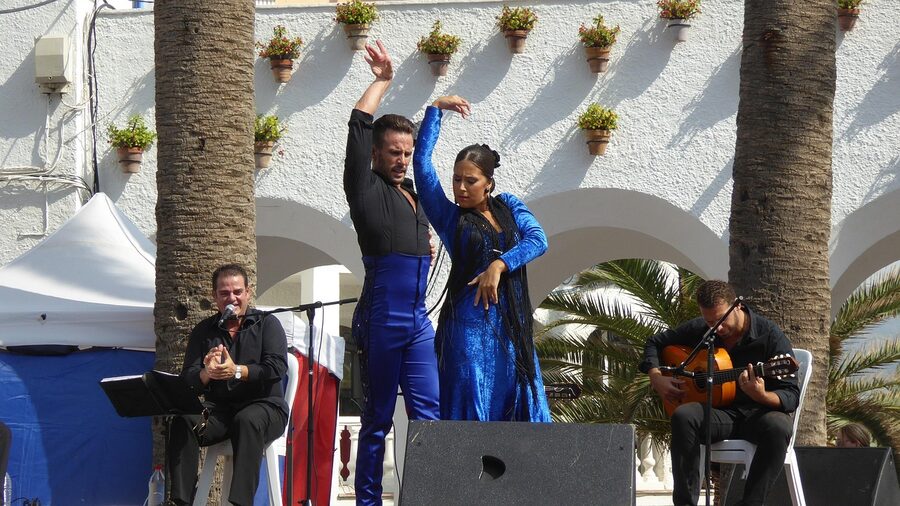
Tablaos are smaller. The word comes from the wooden floor (tablao) the dancers stomp on, which is a real instrument; you’ll feel it through your chair. Three or four artists at most, usually one dancer leading and others sitting on chairs at the back, clapping and calling out. You have a drink. You’re maybe fifteen feet from the stage at the back, six feet at the front. The room is dark and the energy is contained and louder. The Tarantos on Plaça Reial and the Tablao Cordobés on La Rambla are the two best-known.
Which to pick? If it’s your first flamenco show, take the theater. The form is dense and the conventions take some getting used to; a slightly more polished version is easier to follow, and the tickets are cheaper. If you’ve already seen flamenco anywhere, take a tablao, and ideally pay the extra for the Cordobés or splurge on the small midnight show at the Tarantos. The intensity in a small room is genuinely different.
What about Gran Gala Flamenco at Palau de la Música Catalana? It’s the most-photographed flamenco venue in Barcelona, and that’s its problem. The room is staggering. We’ll get to that. But the show itself is shaped for the tourist coach trade: eight performers, broad strokes, a lot of red dresses spinning at once. The room sells the experience. The flamenco itself is fine, not great. Skip unless you specifically want to see the Palau, in which case go on a daytime guided tour and pay for it once.
What You’re Actually Watching: A Five-Minute Crash Course
Flamenco started as a singing form, and singing is still the part that does most of the emotional work. The dance is what tourists notice. The cantaor, the singer, is what the form is built around.
The four roles in a tablao are:
- Cante: singing. The cantaor sits on a chair, often with eyes closed. Voice is rough, cracked, intentionally not pretty. There are dozens of subforms (palos): soleá is slow and grave, bulería is fast and playful, seguiriya is the most tragic, alegría is the most upbeat. You don’t need to identify them. You just need to know that what sounds like discomfort in the voice is the whole point.
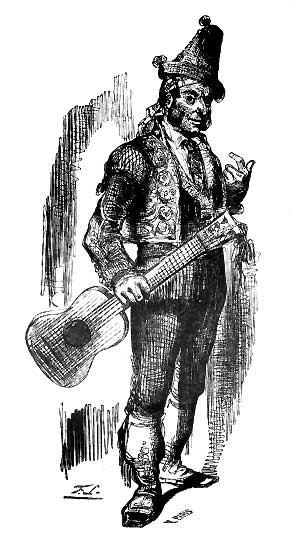
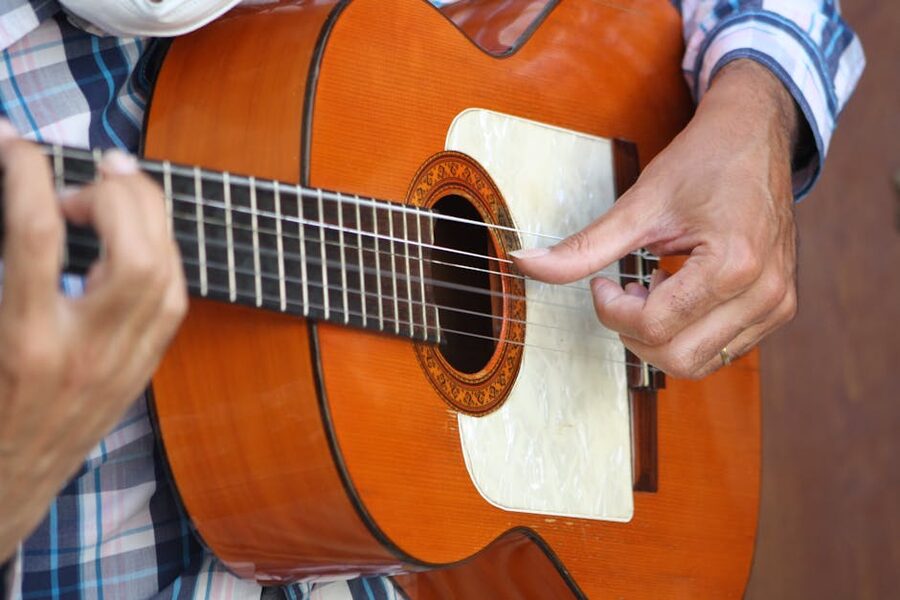
- Toque: guitar. The guitarist isn’t accompanying. He’s leading. Listen for the moment he changes the rhythm and the dancer answers him; that’s the conversation flamenco is built on.
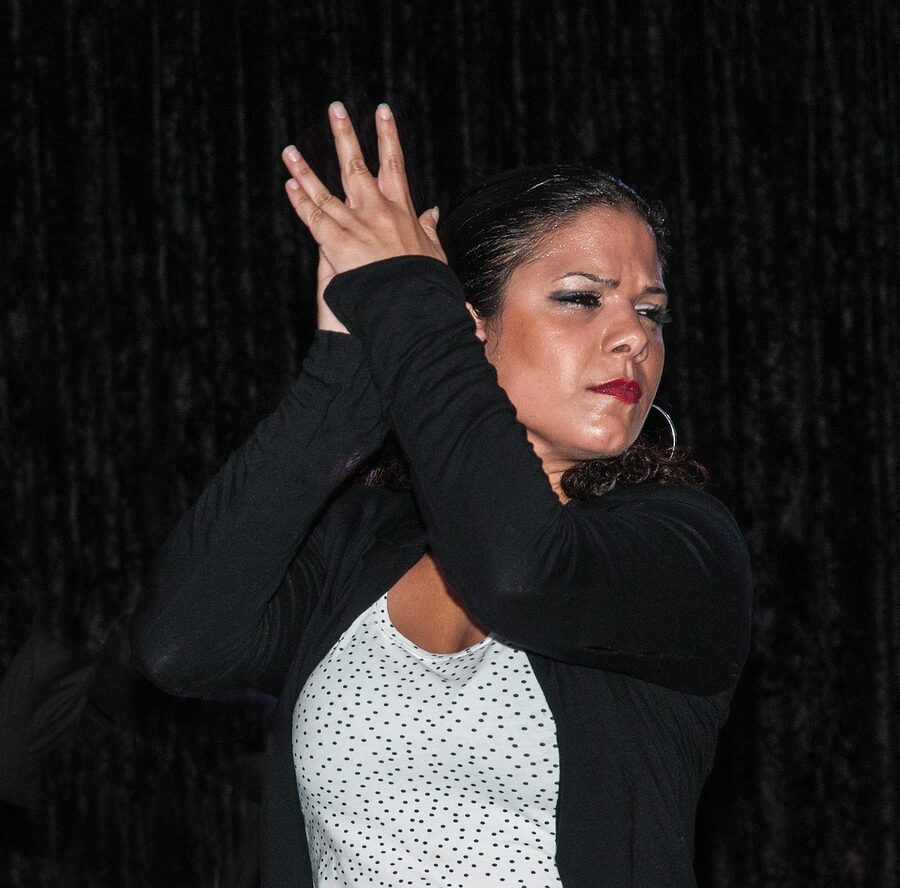
- Palmas: hand clapping. The artists not currently performing sit on the chairs at the back and clap, sometimes counterclap (one row offbeat). It looks loose. It’s not. The polyrhythm is what holds the whole thing together.
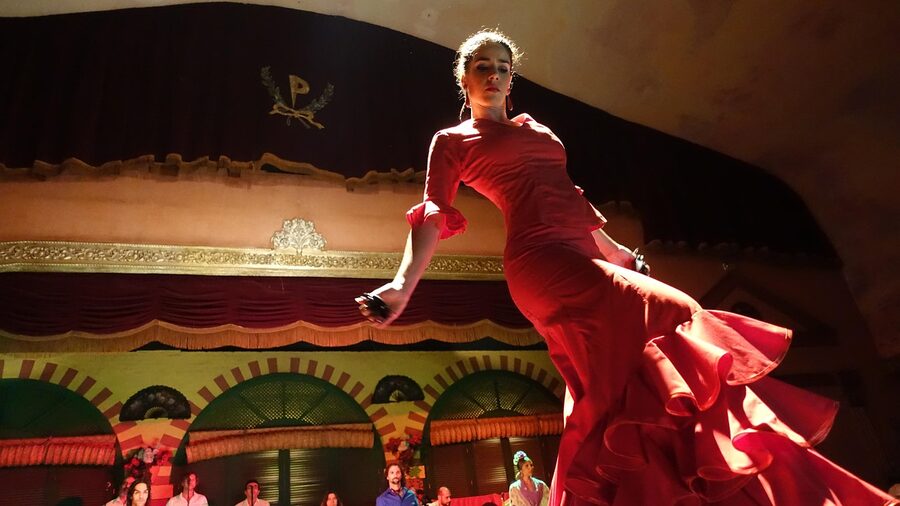
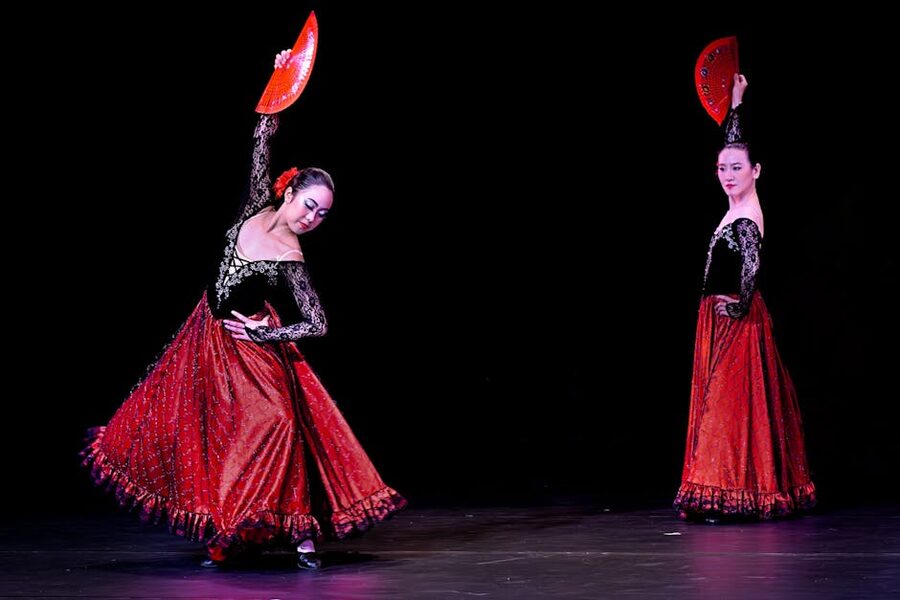
- Baile: dance. The dancer’s job is to make the rhythm visible. The footwork (zapateado) is percussion; the arm and torso movement (braceo and marcaje) is the melody. When she stops moving and holds a pose, the room goes silent. That’s not for the camera. That’s the form.
One vocabulary word that pays off: duende. It means something close to “the spirit arriving.” Federico García Lorca wrote a famous essay on it. When the cantaor’s voice cracks at the right moment in the right song and the room collectively stops breathing, that’s duende. You can’t fake it. Most shows don’t reach it. When it happens, you’ll know.
The Best Flamenco Tours to Book in Barcelona
Three picks, three different reasons to pick them. The first is the safest bet, the second is the cheapest legitimate tablao, the third is the splurge.
1. Flamenco Show at the Theater: $29
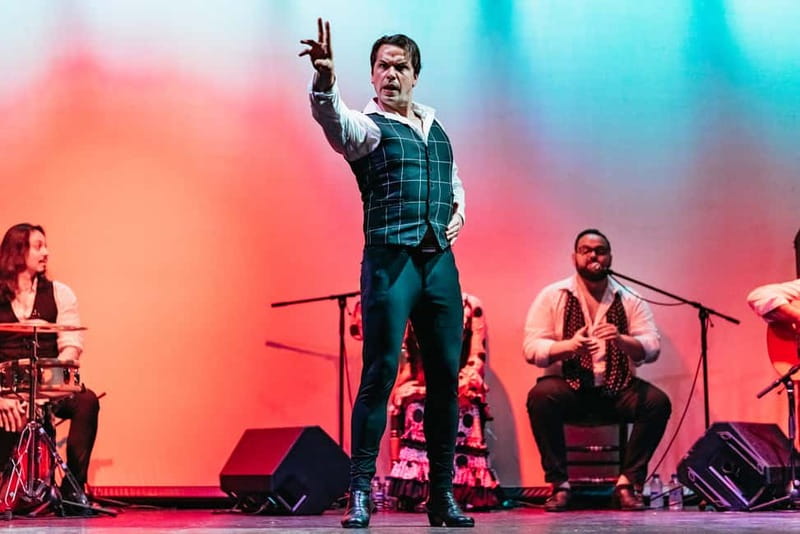
This is the one to book if it’s your first flamenco show or if you’re nervous about whether you’ll actually like the form; the theater format is the most legible version of flamenco a tourist can sit down to. Our full review of the City Hall Theatre flamenco show covers timing and seating in detail, but the short version is: middle row, drink in hand, hour later you’ll know whether you want to pay for a tablao tomorrow night. The venue itself is a small old theater on Rambla de Catalunya, easy to find and central to most hotels.
2. The Tarantos Flamenco Show: $29
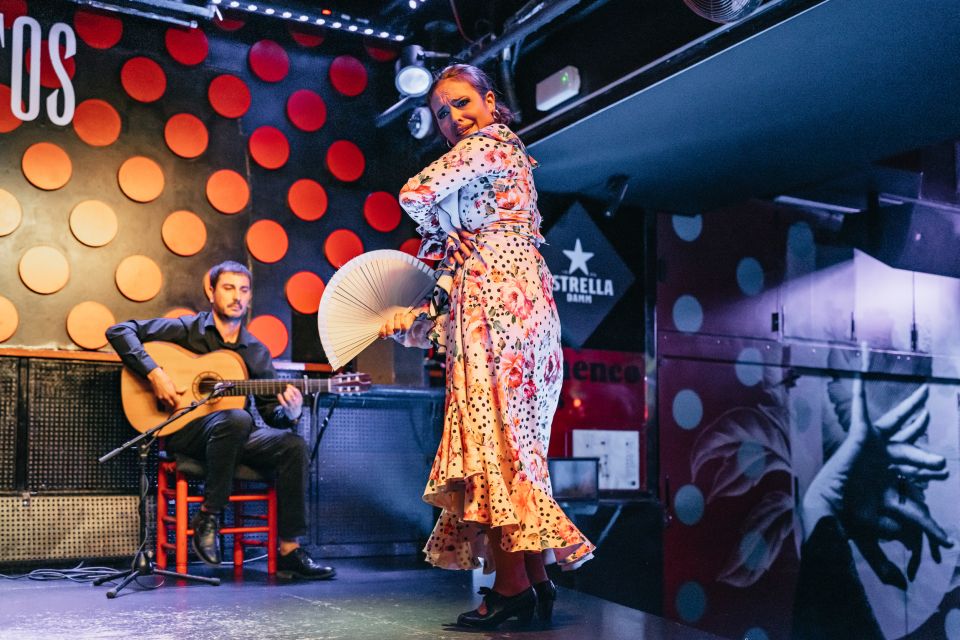
The Tarantos is the city’s oldest functioning tablao and it has the lineage to prove it; our Tarantos review walks through which of the three nightly shows actually fills up and which has the best chance of duende. The room is small and dark and the format is stripped to the bone: one guitar, one dancer leading, palmas at the back. The 40-minute length is honest; the form is intense and forty minutes of it is the right dose for a tablao first-timer.
3. Tablao Flamenco Cordobés Show with Drink: $55
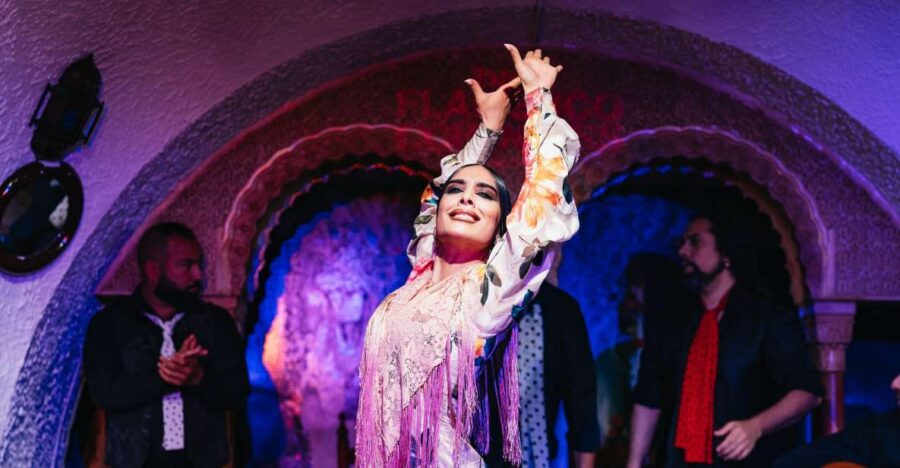
This is the splurge pick: almost double the price of the other tablaos, and worth it if you only see one flamenco show in Spain. Our Cordobés review covers the dinner-versus-show-only call (skip the dinner, the food is fine and the show is the whole point). You’ll get a more experienced lineup, a longer set, and a room that feels like a proper Andalusian tablao transplanted onto La Rambla.
The Tablao Cordobés, Up Close
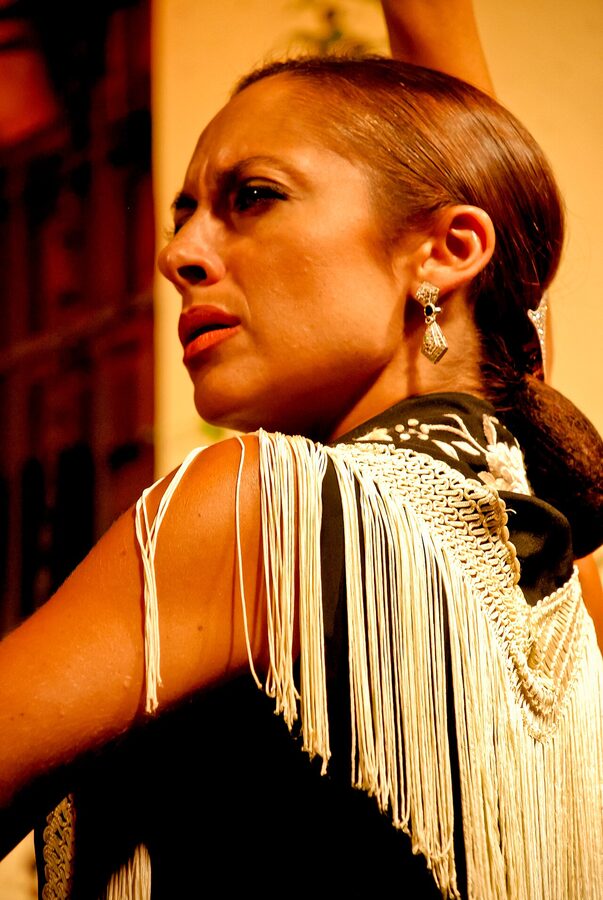
The Cordobés has been working since 1970 and gets the room right. The walls are dark, the lighting is warm, the tablao itself is raised maybe six inches and front-row seats put you close enough to see the dancer’s calluses. They cycle three or four shows a night, and the later shows are reliably better. The artists have warmed up, the room has filled out, the hour is closer to when flamenco is actually performed in Andalusia.
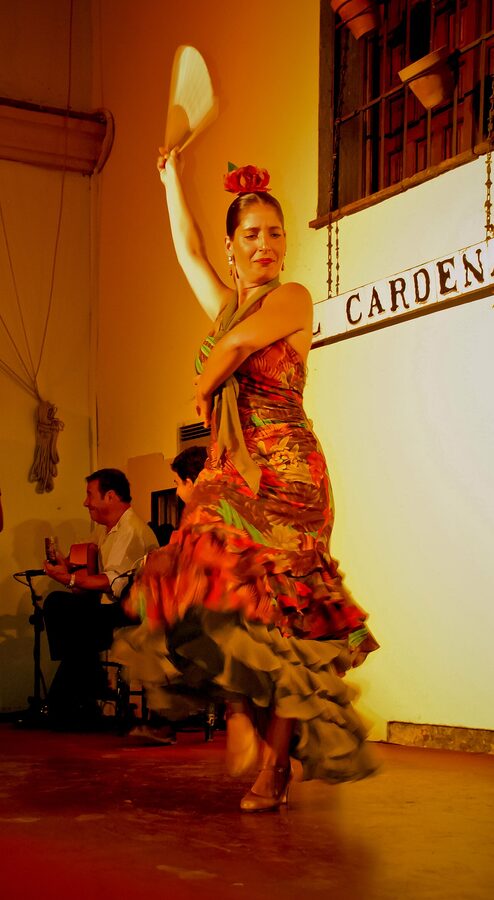
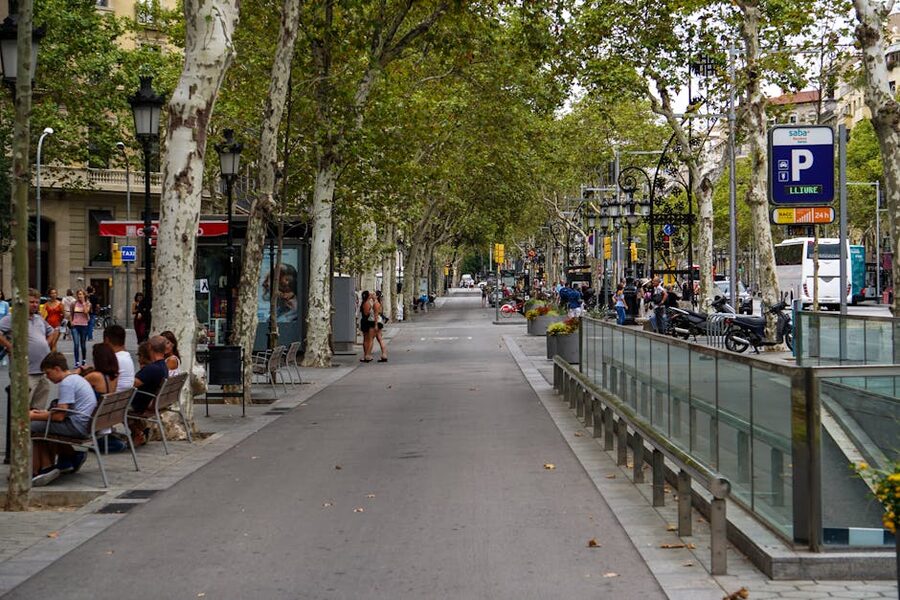
One specific advice: book the show-only ticket, not the dinner package. The Cordobés dinner is fine, it’s not the reason you came, and the food eats up an hour you could spend walking on La Rambla beforehand. La Rambla itself is worth the walk to the venue. The address is Rambla, 35, halfway down between Plaça de Catalunya and the harbour.
The Tarantos Story
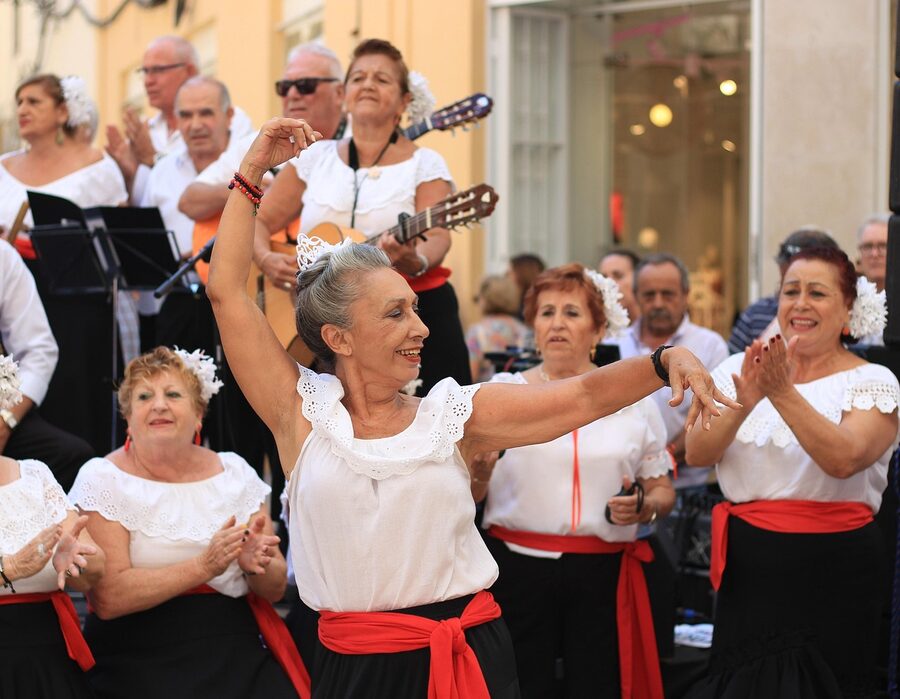
The Tarantos opened in 1963 on Plaça Reial, the year Carmen Amaya died and the year the film named after her family was released. The owners named it after the film. The room has been in continuous operation for sixty-plus years and has hosted nearly every major flamenco artist that came through Barcelona in that span.
The current format is three shows a night, forty minutes each, around 8:30, 9:30, and 10:30. The 10:30 show is the one with the strongest energy and the smallest tourist contingent. Tickets are tight on weekends; book ahead. The seating is unreserved within the price tier. Get there fifteen minutes early and aim for the front-left of the room, where you have a clear sightline to both the dancer’s feet and the cantaor on the chair.
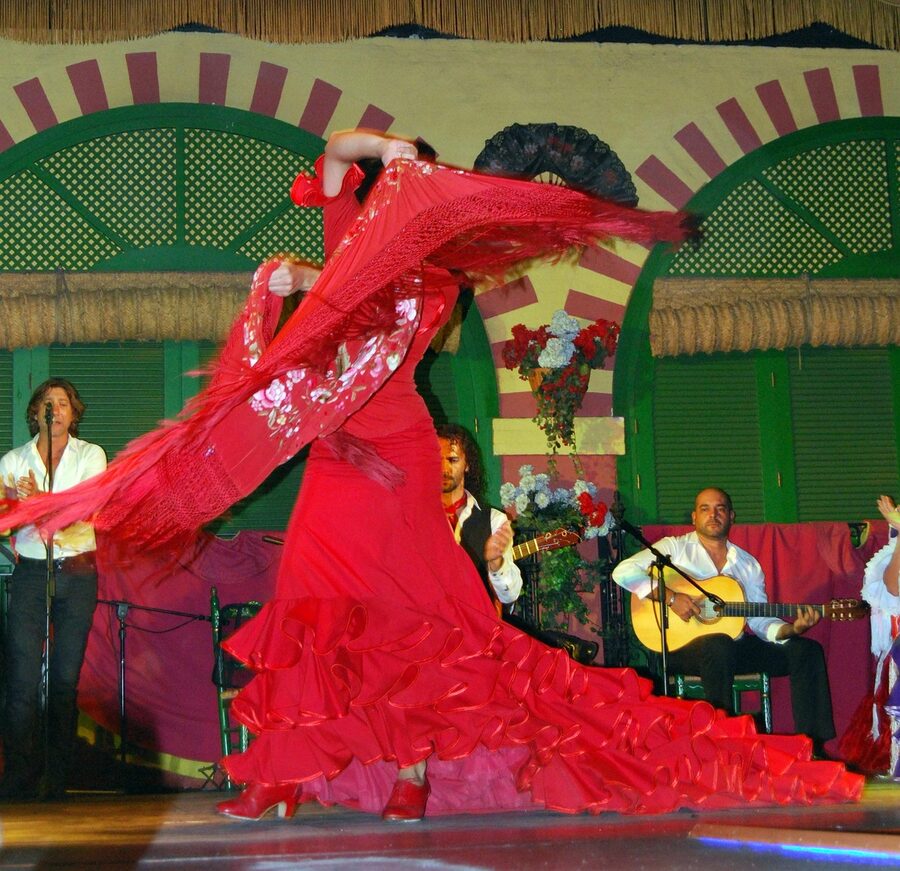
Plaça Reial itself, where the Tarantos is, is one of Gaudí’s first commissioned works in Barcelona. He designed the lampposts in the square in 1879. If you arrive early, the square is one of the best places to have a beer in the old city. Just be careful with bag-snatchers; the square is a known hotspot.
Palau de la Música: The Room That Sells Itself
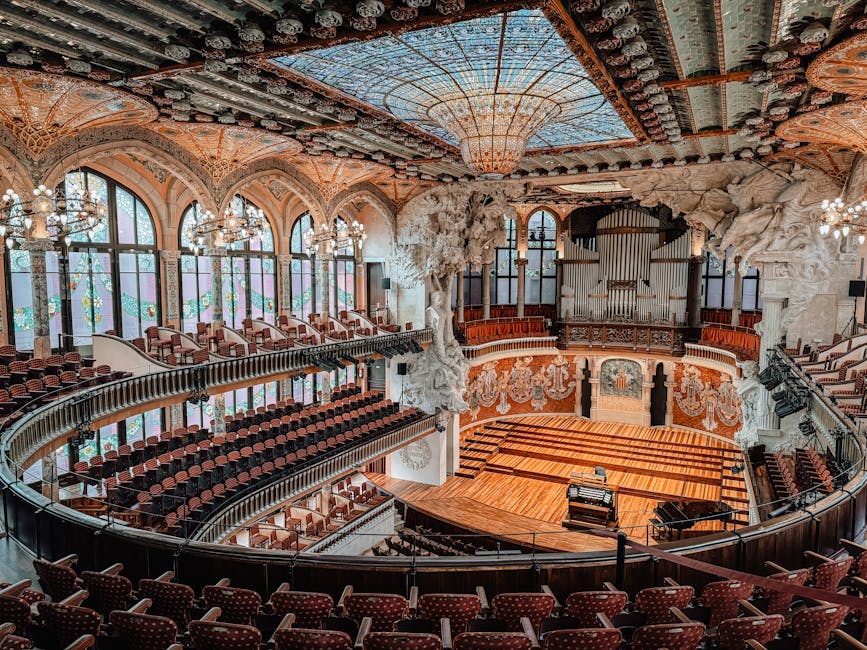
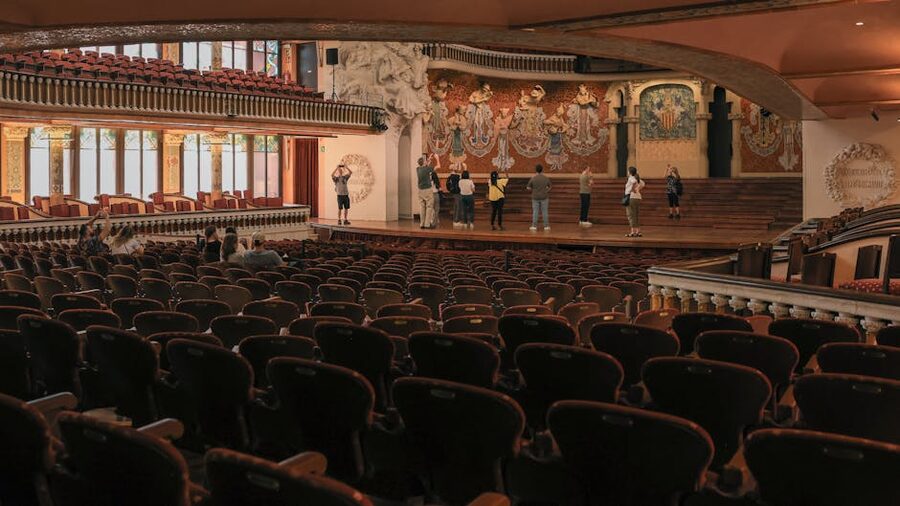
If you’ve researched flamenco in Barcelona you’ve seen this room. It’s the Palau de la Música Catalana, finished in 1908 by the modernista architect Lluís Domènech i Montaner. The stained-glass skylight in the centre is roughly the size of a small swimming pool and floods the auditorium with daylight. It’s one of the most beautiful concert halls in Europe and a UNESCO World Heritage site. Sagrada Família gets the visitor numbers but the Palau is arguably the better single-room building in modernista Barcelona, alongside Casa Batlló and La Pedrera.
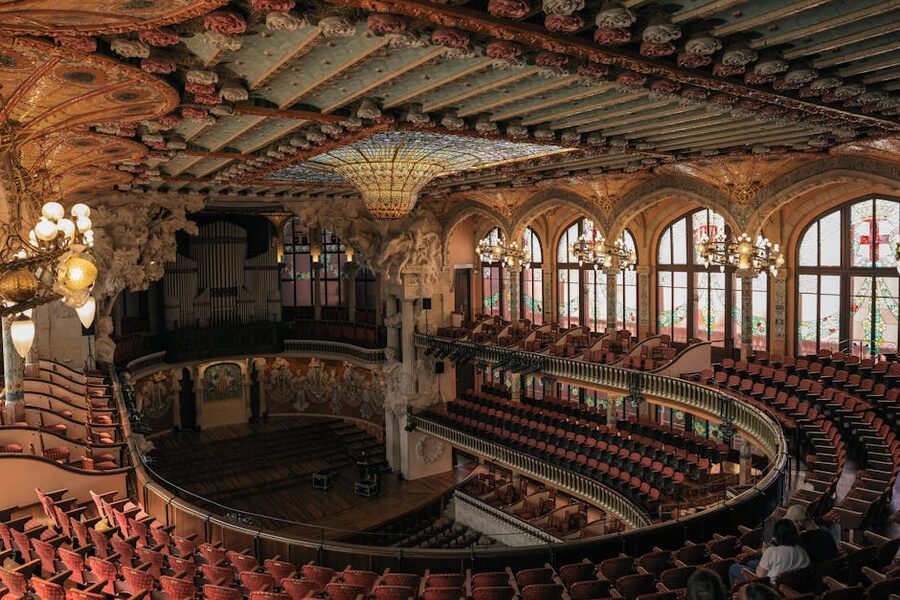
The Gran Gala Flamenco show runs here several times a week. It’s the most expensive flamenco ticket in town and the production is built for the room: eight performers, broader choreography, more dresses on stage at once, less of the contained intensity that makes a tablao what it is. Honest call: the show is fine. Not great. The room is the show.
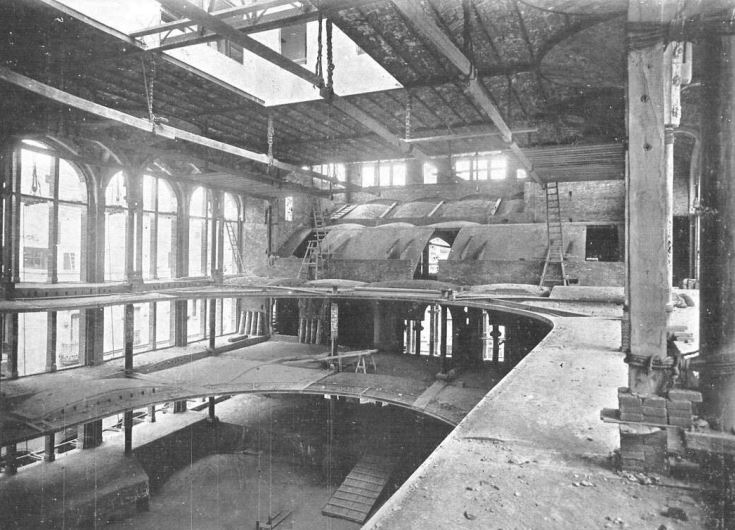
The right play here is to do the Palau and the flamenco as two separate things. Take the daytime Palau guided tour. It includes the auditorium and is the only way you can really walk around the room and look up. Then book your flamenco at a tablao that is set up to deliver flamenco rather than at a venue that’s set up to deliver itself. Two different evenings, both better than the combined version.
Pricing, Timing, and How to Book
The price ladder is:
- Tarantos: $29 for the 40-minute show. Cheapest legitimate tablao. Three shows a night.
- City Hall Theatre: $29 for the hour-long theater show. Drink upgrade about $5-7 extra and worth taking.
- Cordobés: $55 for the show with drink, more for the dinner package (skip).
- Palau de la Música Gran Gala: from about €45 for the cheaper seats and into the €60-80 range for the centre. Skip unless you specifically want the room.
Booking ahead matters in summer (June through September) and around long weekends. The City Hall Theatre and the Cordobés both fill up two or three days in advance. The Tarantos is more flexible because it has three shows a night, but the 10:30 slot on weekends sells out. Booking via GetYourGuide is what we’d recommend: free cancellation on most tickets, instant confirmation, and the price is the same as walking up to the box office.
What time should you go? Flamenco in Spain is a late-night form. The 10:30 Tarantos show or the 9:30/10:30 Cordobés show is closer to the natural rhythm of the music than the 8pm tourist slot. Eat at 7 or 8 in a side street off La Rambla, walk over for the late show, you’ll be back at your hotel around midnight. That’s the local pattern.
What to Wear, Where to Sit, What to Order
Smart casual. Tablaos are dim and informal; theater shows lean a little dressier but jeans-with-a-shirt is fine anywhere. Don’t show up in shorts and flip-flops at the Cordobés. They won’t turn you away but you’ll feel out of place.
For seating: at a tablao, front row is the right call if you can get it. The first three rows put you close enough to feel the floor through the heel-strikes and read the small choices the dancer is making. Theater shows are less position-sensitive; centre is fine, middle of the row.
For ordering: at the tablaos that include a drink, the house option is sangria or a glass of cava. Both are fine. Add another at your table mid-show if you want; the staff are quiet about it. At theater shows, drinks are pre-show only; no in-room service during the performance.
A Quick History You Don’t Need But Will Like
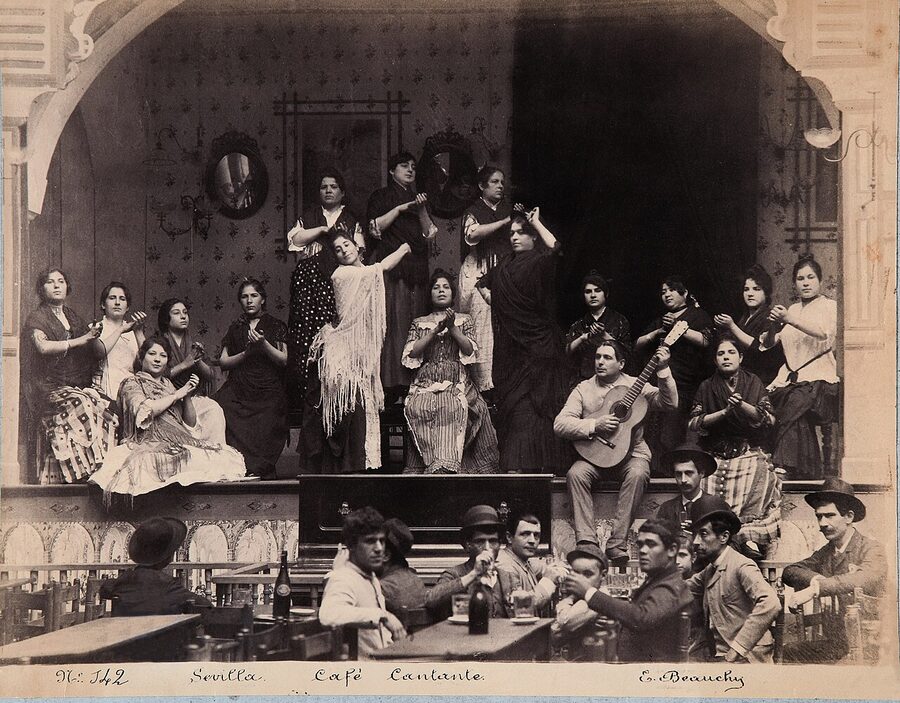
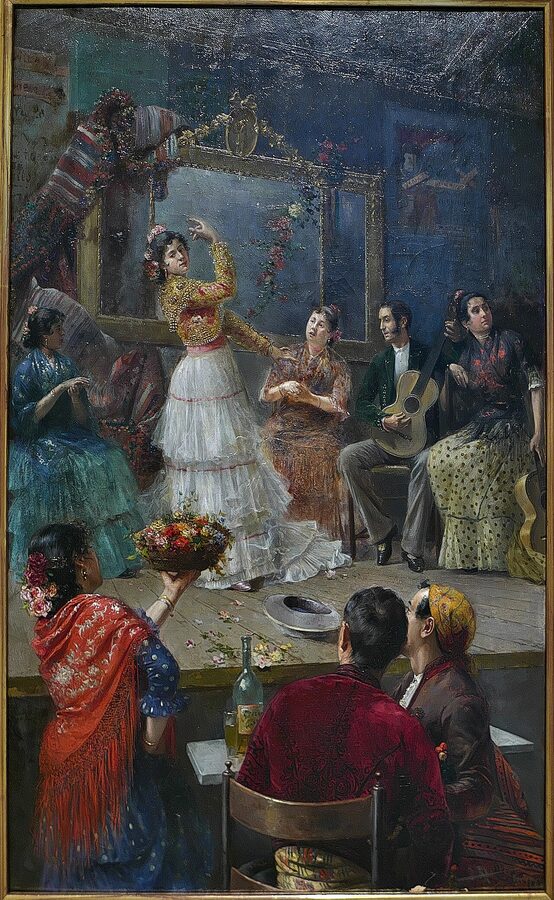
The 19th century is when flamenco settled into its modern form. Before that it was scattered Romani folk music in the patios of Andalusian gypsy quarters, undocumented and informal. Then in roughly 1850 the café cantante opened in Seville, a coffee-and-cabaret venue where flamenco was performed for paying customers, and the form had its first commercial home. The photograph above, taken by Emilio Beauchy in Sevilla around 1885, is one of the earliest images of a flamenco venue in operation. Wooden floor, chairs at the back, dancer up front. The format hasn’t changed.
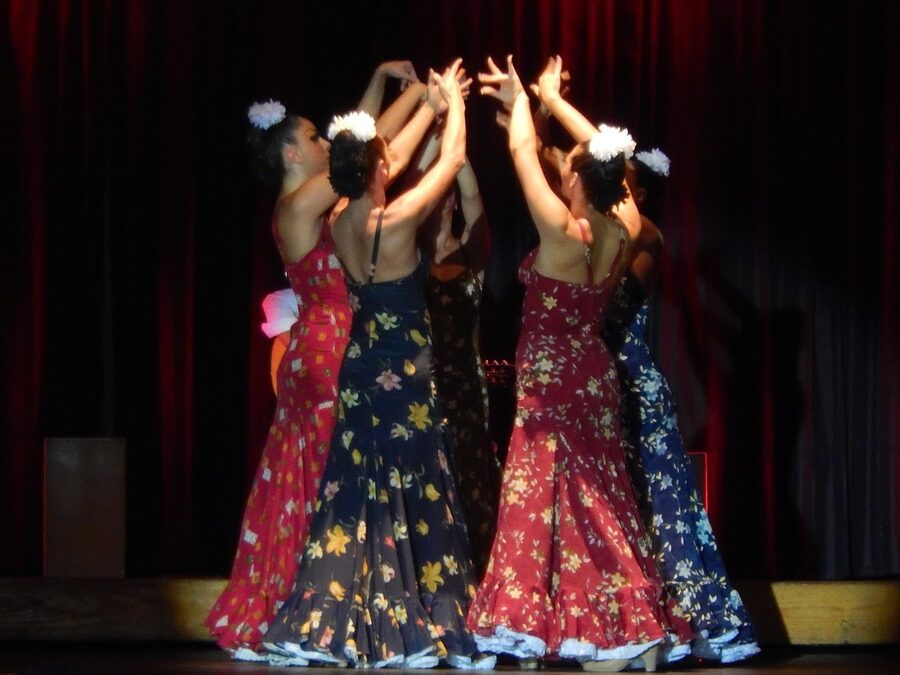
The 20th century pushed flamenco onto international stages: Carmen Amaya in Hollywood, Paco de Lucía’s guitar work in the 1970s, Camarón de la Isla redefining the cante. UNESCO listed flamenco as Intangible Cultural Heritage in 2010. By that point Barcelona had been a fixture in the touring circuit for decades and the Tarantos had been running for nearly fifty years. Today’s tablaos are direct descendants of the 1885 cafés cantantes, with better lighting and a drink menu in English.
If You’re Going to Andalusia: Save Some for Later
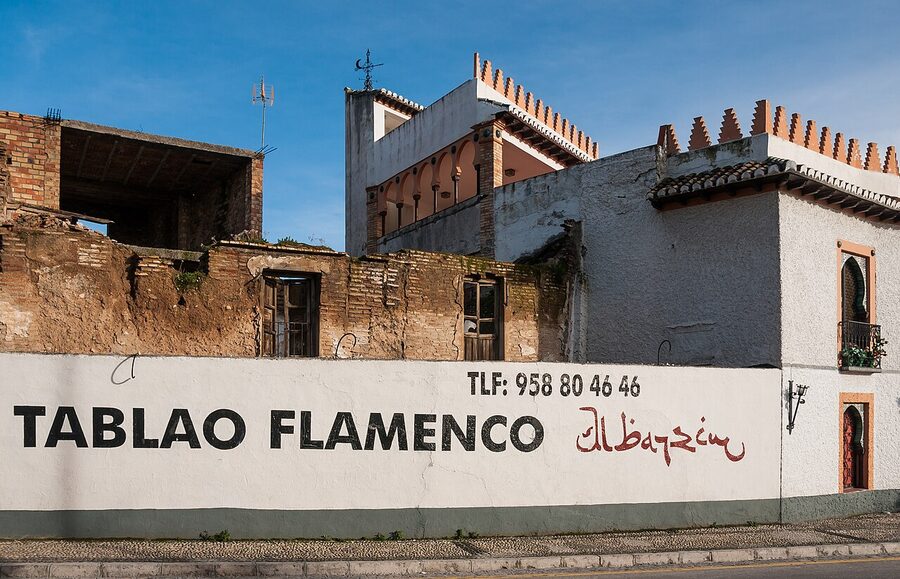
If your trip continues to Seville, Granada, or Jerez, hold something back. Barcelona is a strong starter. See one show here to get the form into your eye, then save the splurge for an Andalusian peña or a Granada cave (a zambra) where the audience is mostly Spanish, the singer is from down the road, and the room has the smell and the noise the form was built for. Our Seville flamenco guide, the Granada flamenco guide, and the Madrid flamenco guide walk through the regional differences. The Jerez Royal Andalusian School horse show in Jerez de la Frontera is in the same cultural register as a strong tablao (Spanish equestrian as a cousin to flamenco footwork) and pairs with a flamenco evening there.
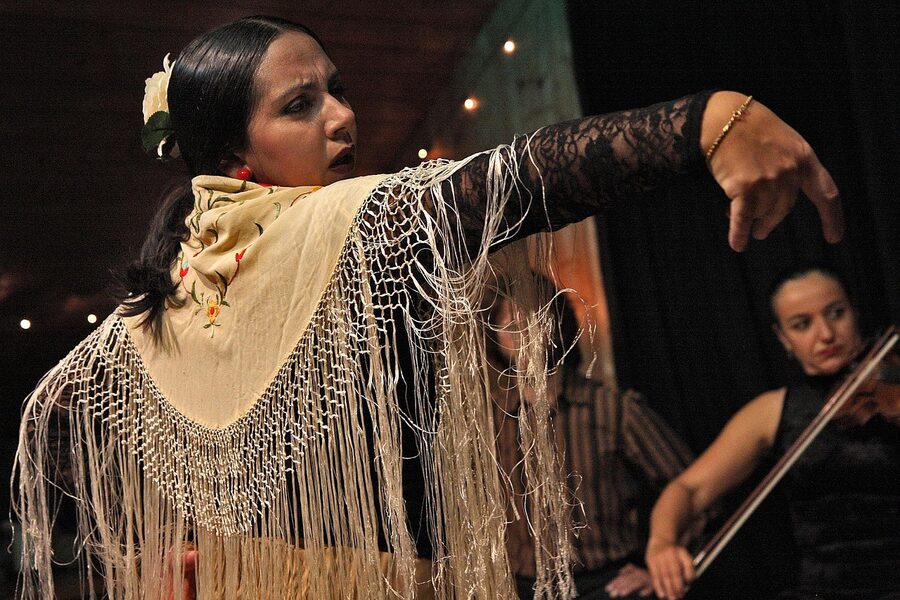
If Barcelona is your only Spanish city this trip, the calculation reverses. Splurge on the Cordobés, eat the cost, and give yourself the best version of the form available within the city. You’ll get the music, the room, and the sense of why people who grew up with this won’t sit through the cheaper imitations.
What Flamenco Is Like in a Different Register: Other Spectacle Nights
If a flamenco night turns into a flamenco week (it does, for some travellers), the closest thing in Italy is opera in a small venue: Vivaldi at a candlelit church concert in Venice, or a chamber performance at La Fenice. The discipline of the form, the contained room, the singing voice doing the emotional work; the family resemblance is real. In Spain, the closest cousin is the Jerez horse show mentioned above, which works with the same vocabulary of footwork and held pose. The Paris equivalent is the cabaret tradition at the Moulin Rouge, and Amsterdam answers with the fully immersive projection rooms at the Fabrique des Lumières: same instinct for a single contained spectacle, in three different registers.
Closer to home in Barcelona: the night visit to Sagrada Família when it’s available, or a sunset drink up on the rooftop of La Pedrera, are both quiet-intensity Barcelona evenings that pair well with a tablao earlier in the week.
Getting to and From the Venues
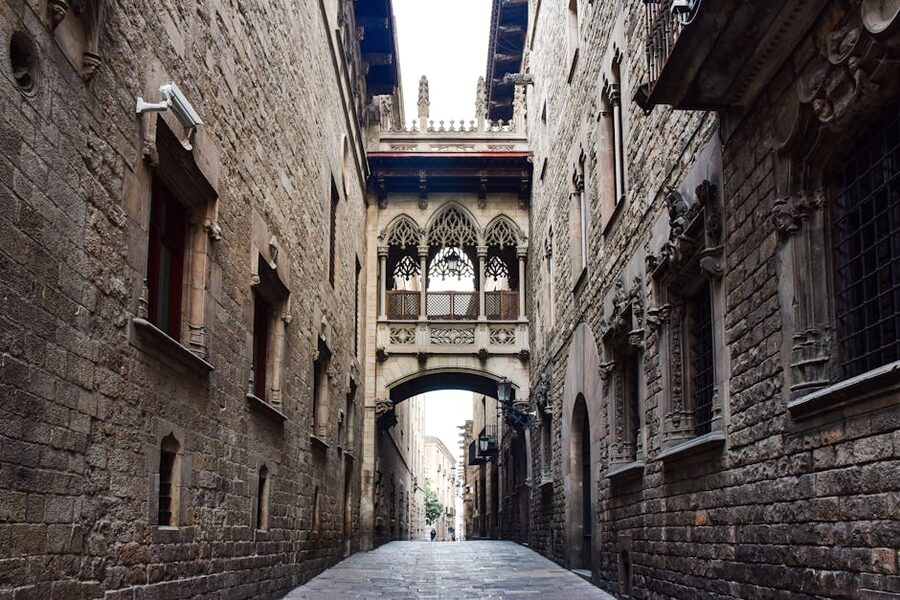
All three main venues are in the old city, walking distance from each other and from most central hotels. The Tarantos is on Plaça Reial, two minutes off La Rambla. The Cordobés is on La Rambla itself. The City Hall Theatre is on Rambla de Catalunya, which is a different street than La Rambla, five blocks north of Plaça de Catalunya. Easy to miss if you’re guessing.
Metro: Liceu (L3 green line) for the Cordobés and Tarantos, Catalunya (L1, L3) for the City Hall Theatre and Palau de la Música. The Hello Barcelona transit card covers all of these on its 48-hour or 72-hour ticket and saves you the hassle of single-ride faffing each time.
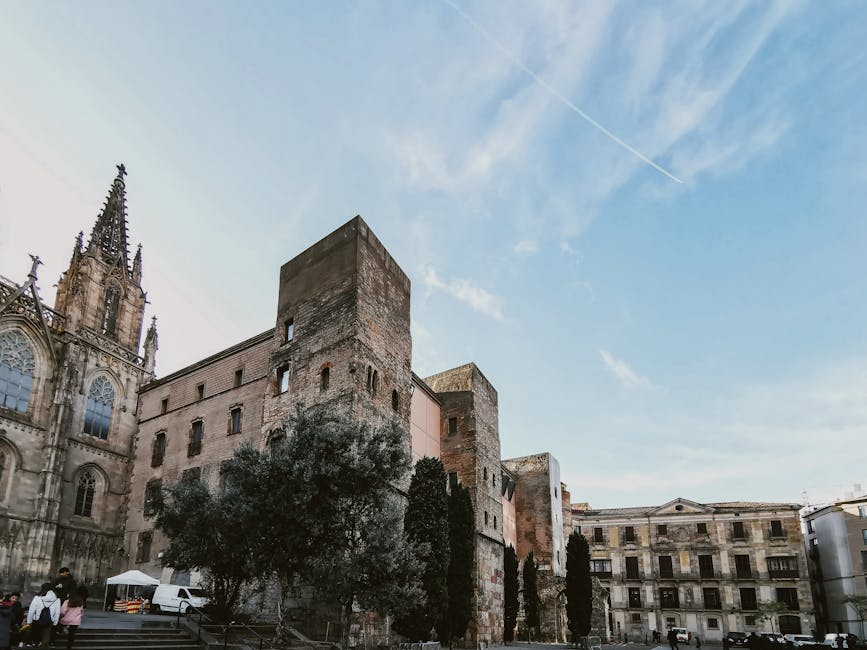
If you’re skipping the metro and the night is late, walk; the old city is compact and floodlit on the main streets. The Barcelona hop-on-hop-off bus stops near Plaça de Catalunya for the City Hall Theatre but it doesn’t run late enough for a 10:30 show return. Taxis are cheap and metered; an Uber-equivalent (Cabify or Free Now) is fine too.
Two Specific Mistakes to Avoid
One: don’t pick the dinner package at any venue. The food is hotel-banquet quality at three times the price; the show is what you came for. Eat in the Gothic Quarter beforehand, walk over, get the show-only ticket.
Two: don’t film the whole show. Most tablaos technically allow phones; the cantaor at the back of the room will ignore you for one or two short clips. Filming the whole 40 minutes is rude and you won’t watch the footage. Put the phone down after the first song. The form is built for the room; it doesn’t translate well to a phone screen anyway.
Where to Eat Before
Don’t stress about it. Anywhere in the Gothic Quarter or El Born is fine. A few specific suggestions: Bar del Pla in El Born for proper Catalan tapas, Bormuth for the same a couple of streets over, Quimet & Quimet in Poble Sec if you don’t mind walking 15 minutes for one of Barcelona’s best standing-room montaditos bars. Avoid eating directly on La Rambla itself; it’s tourist-priced and tourist-quality.
If you want to fold flamenco into a longer Spanish food evening, our guided Barcelona tapas tour wraps up around 8 or 9 with an option to walk straight from there to a 9:30 or 10:30 flamenco show. The tour ends in the Gothic Quarter, the venues are five minutes away, the timing is built in.
One More Thing About the Honest Reframe
The argument earlier in this guide was that Barcelona isn’t the homeland of flamenco, and that’s true. The footnote is the Somorrostro and Carmen Amaya, and that’s also true. The thing that holds both at once is this: flamenco is a living form, not a museum piece, and a living form is wherever it’s being performed well. Tonight, in a small dark room on Plaça Reial or on La Rambla, with a singer who has been working this craft since he was thirteen and a guitarist who is in conversation with him in real time, flamenco is being performed well in Barcelona. That’s enough. The cantaor’s voice will crack on the right note in the third song. The dancer will hold a pose, and the room will stop breathing. You’ll know.
Other Barcelona Nights Worth Booking
If your Barcelona trip has a few more nights in it, the natural pairings with a flamenco evening are a daytime Sagrada Família visit and an early evening at Park Güell for the sunset light. A morning at Casa Vicens, where Gaudí started, slots in well too. It’s small, lightly visited, and pairs the modernista thread you’ve already started at the Palau. For a half-day out of the city, the cog-wheel ride up to Montserrat on the day of a flamenco evening works because the train back gets you in early enough to nap before the late show. And if you want a third Barcelona spectacle night, the Montjuïc cable car at sunset is the cheapest dramatic-view evening in the city. On a longer European trip, the after-dark walking equivalents are a guided Red Light District tour in Amsterdam and a candlelit Seine dinner cruise in Paris: the same evening-as-event muscle, in two different cities.