
The traveller in front of me at the Prada storefront is doing the maths out loud. She has flown from London with an empty suitcase and a list, and the first item on the list is a Prada handbag at half price. The bag in the window costs €1,890. The little orange tag tucked behind the strap says €1,512. That is exactly 20% off. She turns to her friend, says something I won’t repeat in print, and walks past four boutiques to Furla. The Furla bag two doors down is €390 marked from €690. Forty-three percent off. She buys it.
That is Serravalle Designer Outlet in one sentence. The headline luxury brands have small or seasonal discounts. The bargains live on the floor below them, in the labels nobody Instagrams but everybody wears. If you come knowing what actually goes on sale here you will fill a suitcase. If you come expecting Gucci at a Lidl price you will go home angry. This isn’t a half-day side trip the way Lake Como from Milan is; it’s a planned mission with a clear list, and the people who succeed at it treat it that way.
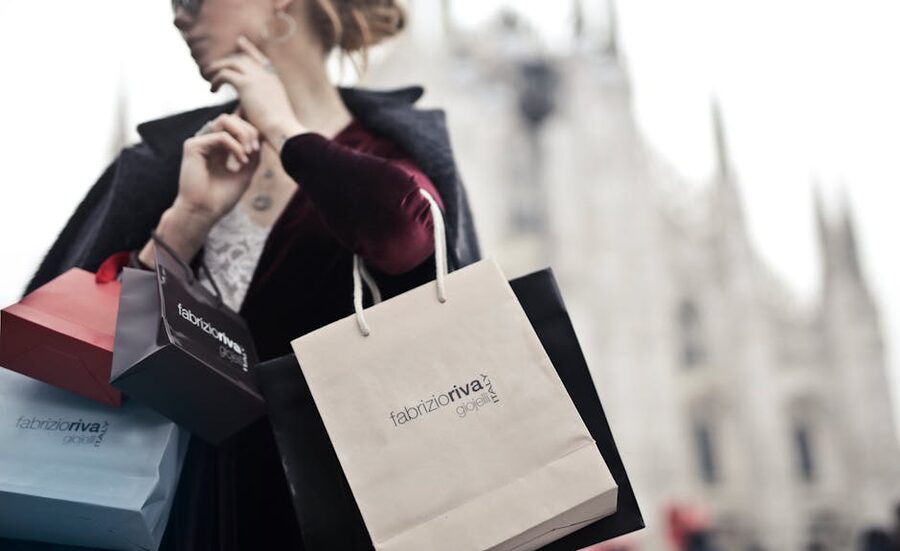
In a Hurry: Three Ways to Get There from Milan
- Cheap and easy ($28): the official Roundtrip Bus Transfer from Milan with Zani Viaggi.
- All-day shuttle pace ($30): the Serravalle Outlet Shopping Mall Shuttle Bus for an 11-hour day.
- Private with a vineyard stop ($306 per group of 3): a Private Tour to Serravalle plus Gavi vineyards, which is the version I’d book if I were splitting the cost three ways.
What “designer outlet” actually means at Serravalle
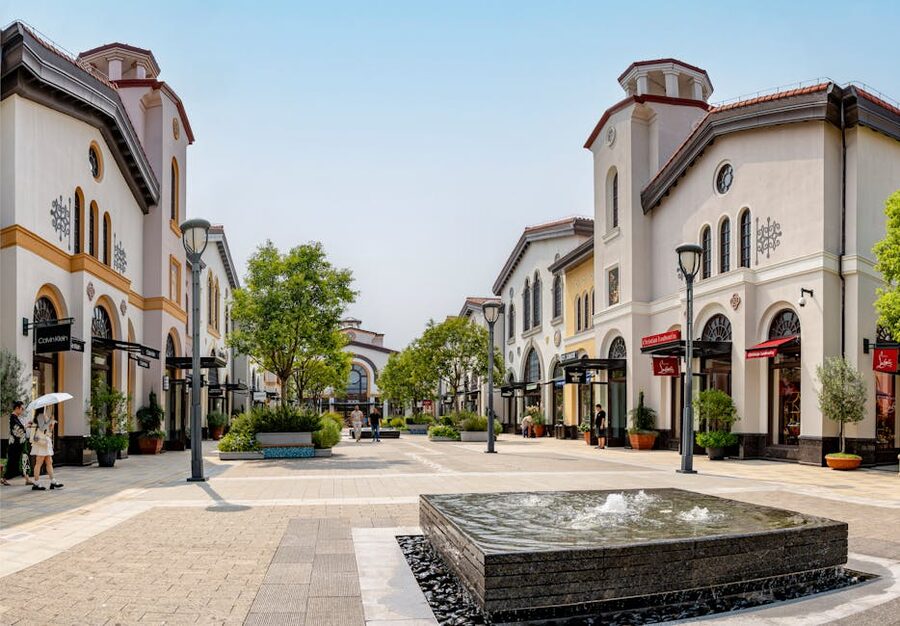
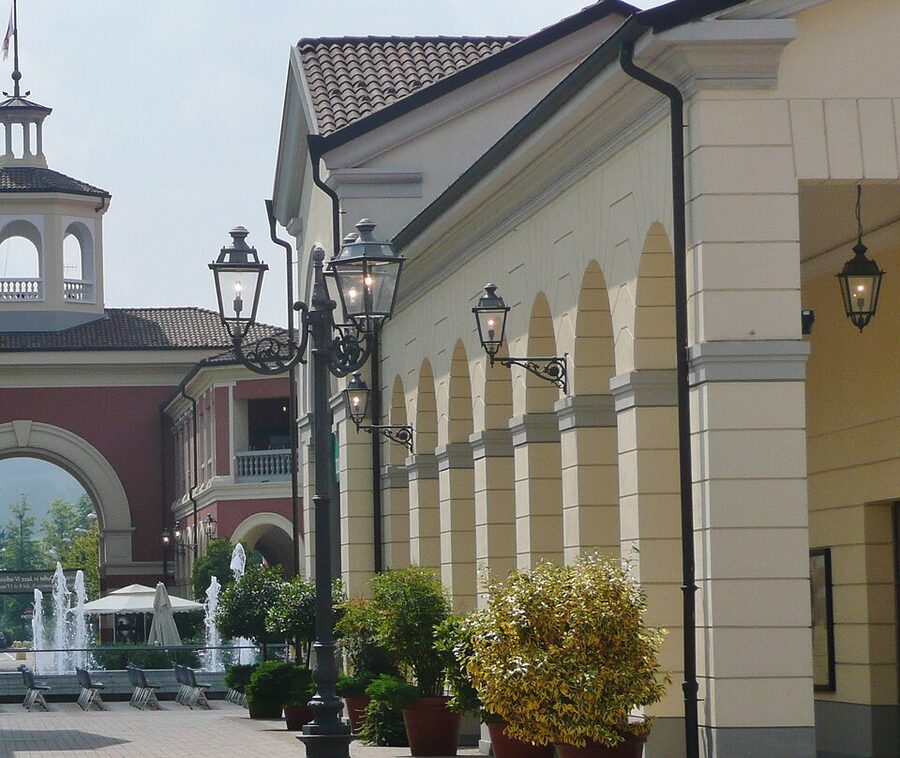
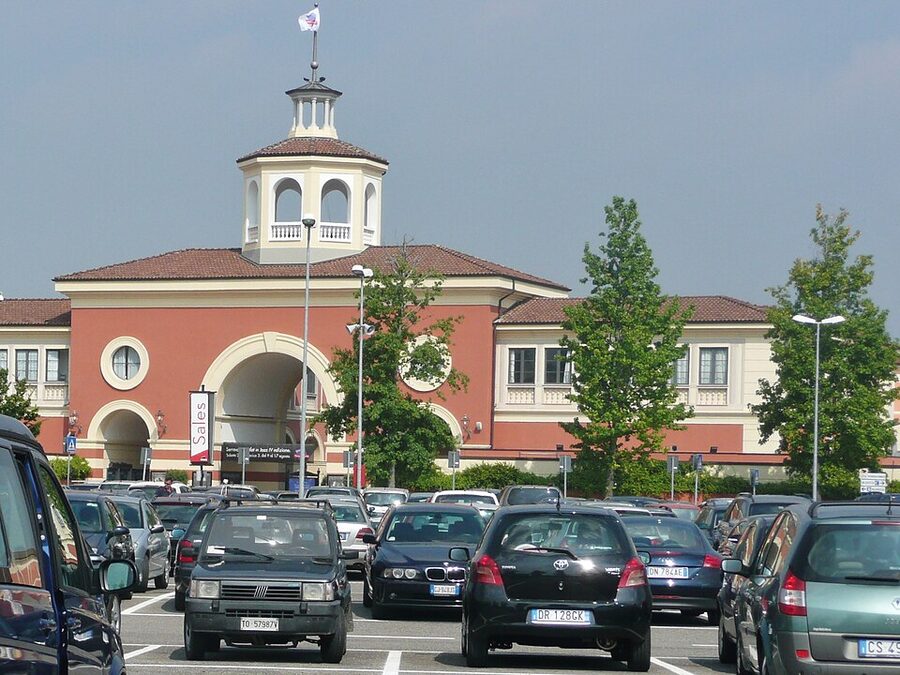
Serravalle is the largest McArthurGlen outlet in Europe, a roughly 230-store village in Serravalle Scrivia, halfway between Milan and Genoa. The architecture is designed to feel like a Tuscan hill town: pastel facades, paved squares, fountains, a clock tower. It works. After ten minutes you forget you’re in a giant outdoor shopping mall, which is the point. The same designed-immersion is what makes Madame Tussauds in Amsterdam work as a venue: every room is engineered to make you forget the building it sits inside.
The word “outlet” in Italy means something specific. These are not factory seconds or fakes. They are last-season stock, surplus runs, sample sales, and items that didn’t sell at full price in city boutiques. The pieces are real. The discount labels are real. What’s variable is how steep the discount actually goes for each brand, and that’s where most first-timers get tripped up. A real Italian artisan-leather workshop in Florence will not undercut their own pricing here, because they don’t sell here. The brands that do sell at outlets are the ones whose volume can absorb a permanent secondary channel.
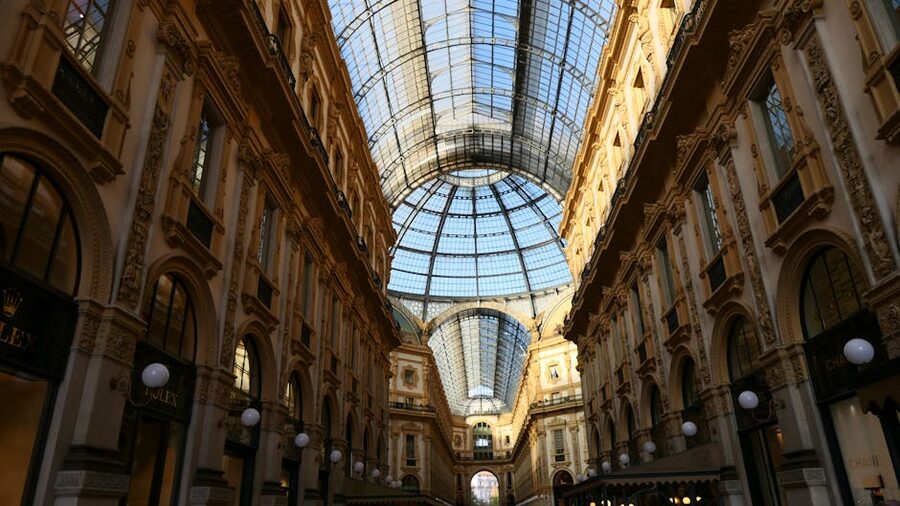
Compare the experience to a Milan shopping day at the Galleria Vittorio Emanuele II next to the Duomo and you’ll see the trade. The Galleria is the cathedral of full-price; Serravalle is the warehouse outlet of a country that takes shopping seriously. They aren’t competitors. They are sequential trips on the same itinerary if you have the time.
What actually costs less, brand by brand
This is the part the marketing won’t tell you. After three visits I keep a mental tier list. It changes by season but the broad shape is consistent.
Headline luxury (Prada, Gucci, Burberry, Saint Laurent, Valentino, Bottega Veneta, Versace). These are the brands tourists fly here for and they’re the worst-value tier. Discounts are typically 20% to 30% off retail, occasionally 40% on a specific carry-over piece. The stock is tightly filtered. You will not find this season’s runway pieces. You will find last season’s ready-to-wear in odd sizes. If you have the size, the queue is worth it. If you don’t, it’s a long walk for nothing. Saint Laurent is the most likely of this tier to surprise you with a 50% piece. Gucci almost never does.
Premium mid-tier (Furla, Coach, Tory Burch, Polo Ralph Lauren, Hugo Boss, Armani, Michael Kors). This is where the value compounds. Discounts run 40% to 60% as standard, with seasonal sales pushing 70%. The stock is broad. A €390 Furla bag at €175 is normal. A wool Hugo Boss coat at €280 from €690 is normal. Bring a list of your sizes and pieces you’ve been eyeing in city boutiques and the savings here pay for the bus, the lunch, and a second bag.
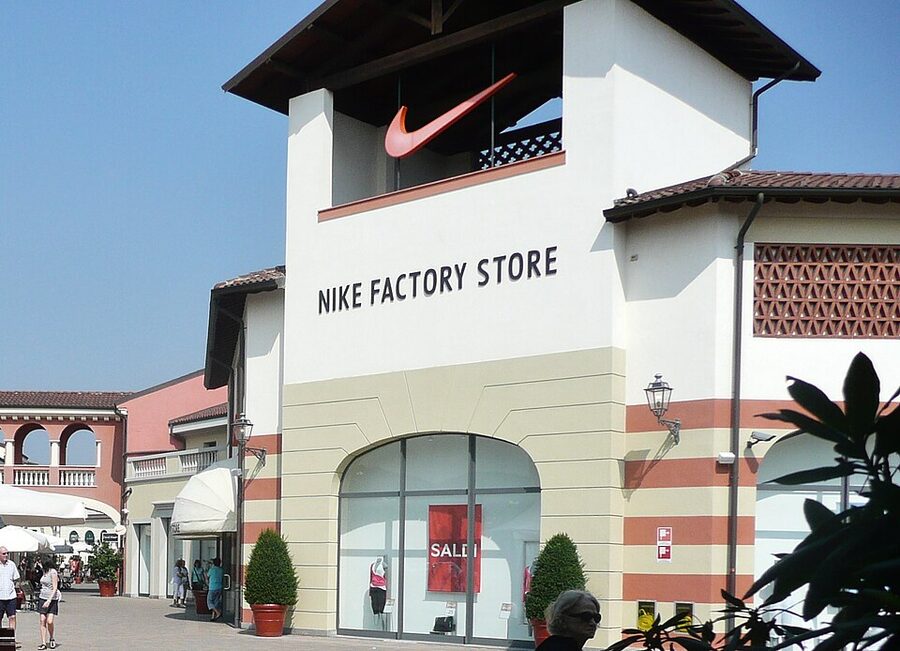
Sportswear and athleisure (Nike, Adidas, Puma, Diadora, Hoka, On). Steady 30% to 50% off, with the second-additional-discount Fashion Pass stacking on top. Diadora and On are the dark horses, Italian and Swiss brands that are quieter than Nike but with deeper outlet cuts. Hoka shoes here are routinely €30 to €50 less than department-store pricing.
Italian heritage (Aspesi, Stone Island, Woolrich, Geox, Replay, Diesel). The most consistent discounting and the most interesting stock. These are the brands Italian men buy. A Stone Island compass-patch piece at 50% off is the classic Serravalle find. The same piece at the Brera or Quadrilatero boutiques in Milan will be sold at full retail with a polite no-discount-here smile.
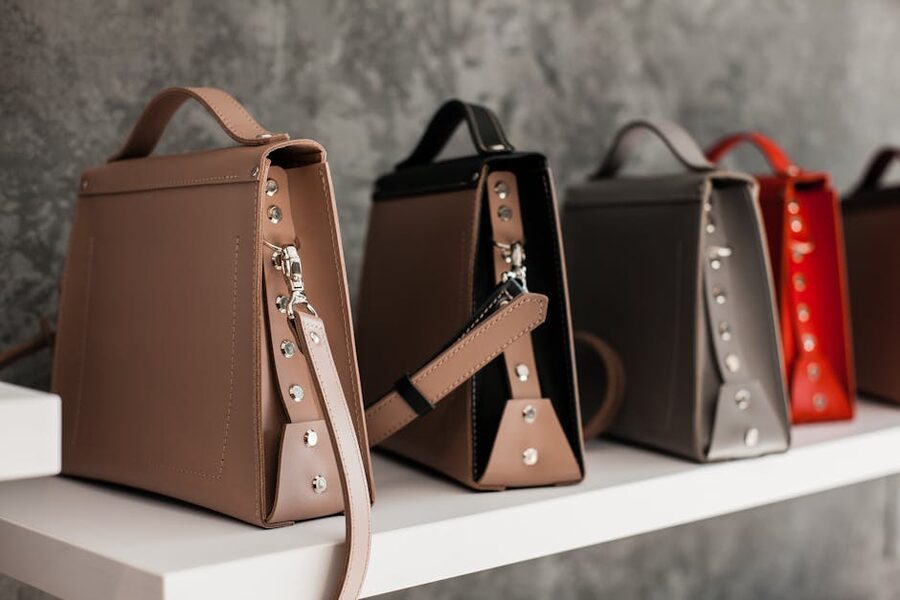
The genuine outlet-only labels (Calvin Klein, Tommy Hilfiger, Levi’s, Lacoste, Guess). These exist primarily to feed outlets. Discounts are aggressive (50%-70%) but the stock is also outlet-grade: basics, season-irrelevant pieces, repeat lines. Fine for jeans, polos, gift wallets. Not where the storyworthy finds happen.
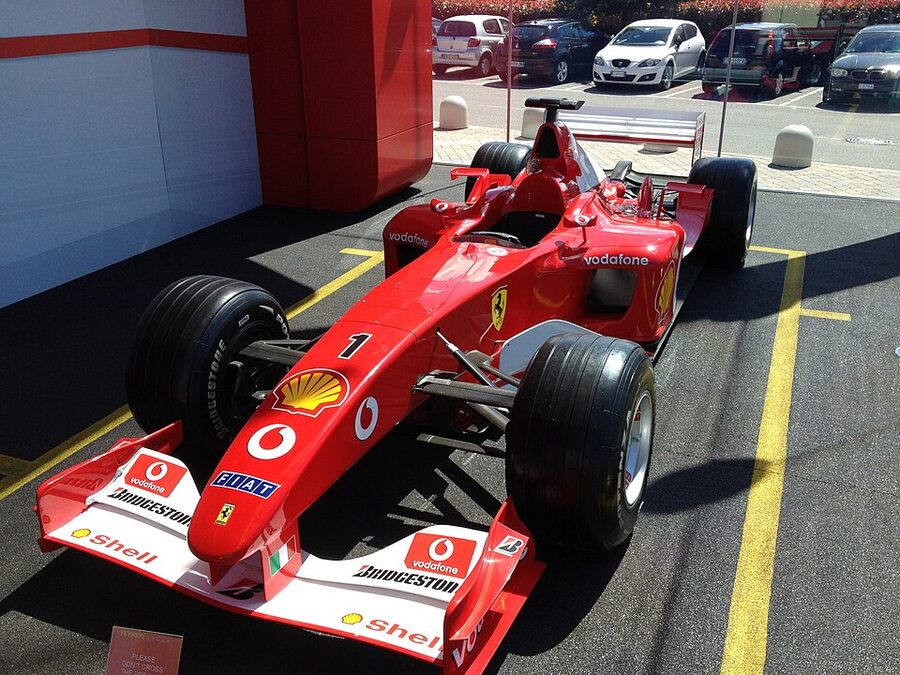
The Ferrari Store deserves its own footnote. The pricing here is Ferrari pricing. The €450 jacket is €450. People go for the experience, the espresso bar inside, and the photo. It is a brand-as-attraction visit, the same proposition as the Heineken Experience in Amsterdam: you are paying for the room, not the product. If you came for an actual discount on Ferrari merchandise this is not the place. Read the sign and move on.
Getting there from Milan: the four real options
Serravalle Scrivia sits about 100 km south of Milan, in the Alessandria province, off the A7 motorway. It’s roughly an hour’s drive from central Milan. Public transport is awkward, which is why the official shuttle exists. This is the opposite direction from where you’d head for the Bernina Express into the Alps; outlet day is south, mountain day is north, and you can do both in the same week if you stagger them.

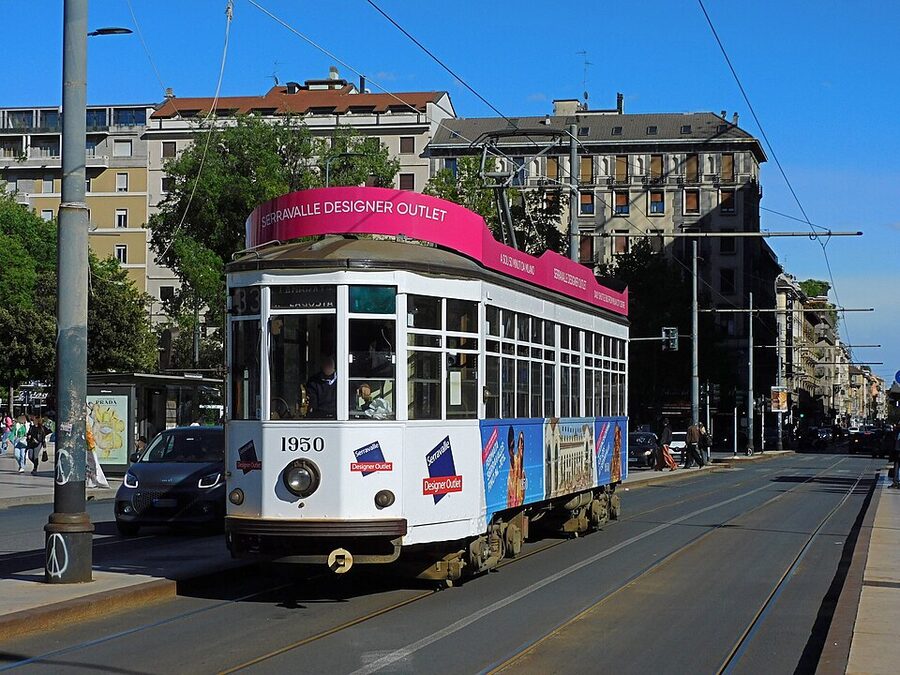
The official shuttle bus (Zani Viaggi). Departs from Milan Foro Bonaparte / Cadorna area, runs two or three times a day depending on season, takes about 70 minutes. This is the version sold as the official Roundtrip Bus Transfer on GetYourGuide and on the McArthurGlen partner page. Around $28 round trip. Buy the ticket online, get the QR code, board, sleep, shop, board, sleep, return. It is the most efficient option if you don’t have a car.
FlixBus from Milan to Serravalle Scrivia. About €17 return on a good day, but the schedule is built for residents, not shoppers, and the FlixBus stop drops you near the village rather than at the outlet entrance. If you are price-optimising and don’t mind a 10-minute walk, it works. Most people will save the trouble and pay the official-shuttle premium.
Train plus local bus. Trenitalia from Milan Centrale or Porta Genova to Arquata Scrivia (about 90 minutes), then a 10-minute connecting shuttle. This is the slowest and most rural option. Use it only if you’re already in the Piedmont area or combining the trip with Genoa. It’s the kind of journey that beats the Milan hop-on bus for getting out of the city, but loses to it for actual shopping convenience.
Private transfer or taxi. The luxury option. About €200-€300 each way for a car. Worthwhile if you’re three or four people splitting and you plan to fill the car on the way back. The private Serravalle and Gavi tour bundles this with a Gavi vineyard stop, which is the move if you want the day to feel like a Piedmont excursion rather than a mall run.
When to go (and when not to)
Hours are simple: 10:00 to 20:00 every day of the year, including Sundays and most public holidays. That uniformity is rare in Italy and worth understanding. Sunday is the busiest day and the day Italians come, because city retail is mostly closed. Saturday is the second-busiest. Monday and Tuesday are the calmest. Wednesday and Thursday are the sweet spot: calm enough to shop, busy enough that all the boutiques are fully staffed.
Two things shift the calendar. First, the official sale windows. Italy’s twice-yearly saldi run early January through late February, and early July through late August, with discount-on-discount deals during those windows. Outlet pricing during saldi can drop another 30%-50% on already-marked items, which is when the steep numbers actually appear. Second, the in-between dead weeks. Late September through mid-October and late February through mid-March are quieter than the saldi but stocked with new-season clearouts as boutiques rotate inventory.
The day to skip is any Sunday in December. Pre-Christmas weekends at Serravalle look like Heathrow on a snow day. The shuttle from Milan sells out, the parking lots overflow, and the changing rooms have queues. If you’re in Italy specifically for Christmas shopping, do it on a midweek morning or skip the outlet and shop on Via Tortona in Milan instead.
The Fashion Pass and tax-free refund
Two pieces of admin worth doing before you start filling bags.
The Fashion Pass. Pick this up at the Welcome Centre near the main entrance for €5. It gives an extra 10% off at participating stores on top of the marked discount. The buy-the-pass-up-front-for-a-stacking-discount logic is the same as the Hola Barcelona travel card: small flat fee, then percentage savings every time you use it. About sixty boutiques honour it including most of the mid-tier names and several headline luxury houses. Worth it if you plan to spend more than €100. Skip it if you’re just browsing or buying one item under €50.
VAT refund (Tax Free). Non-EU residents who spend over €70 in a single store can claim back roughly 11%-13% VAT after a 22% Italian VAT plus processing fee. The keep-the-paperwork discipline is the same skill that makes a Paris Museum Pass pay off: small admin moves, large cumulative savings. Get the Tax Free form at each store, keep your passport handy, and validate the forms either at the outlet’s Tax Free office before you leave or at Milan Malpensa’s customs counter on departure. The Malpensa queue can run 90 minutes on weekend mornings, so the on-site office is faster if you’re not flying out the same day. Cards-only refunds are the standard now, processed in about ten days.
The combined Fashion Pass plus VAT refund on a €600 luxury purchase saves around €130. That’s the bus fare, lunch, and most of a second item. Most first-time visitors don’t bother with one or both and leave money behind. The booking discipline here is closer to the Last Supper timed-entry process than to a casual stroll: pre-plan, queue smart, get the paperwork right.
How to actually shop the place
Three rules I wish someone had told me the first time.
- Bring a list. Specific brands, specific sizes, target price. Wandering in cold means leaving with three things you don’t need and missing the one you do. Ten minutes of homework on city pricing the night before saves hours on site.
- Loop once before you buy. Walk the full village without buying anything for the first thirty minutes. The map at the entrance is laid out like a wheel: start at twelve o’clock and walk the perimeter before you commit. The boutique you fell for at the entrance often has a better-priced equivalent at the back.
- Try on properly. Outlet sizing is the world capital of irregular runs. A 42 in one Italian brand is not a 42 in another. The dressing rooms are small and the staff are busy on Saturdays. Allow ten minutes per fitting, not three.
One unwritten rule: the staff at the headline luxury boutiques can sometimes pull stock from the back if you ask politely and specifically. “Do you have this in 38?” is more likely to produce an unboxed pair of shoes than a vague “what else have you got?”. This trick fails at Gucci. It works often at Saint Laurent and Tod’s.
Eating without losing the day
Food at Serravalle is mall food with one or two genuine bright spots. There are about a dozen sit-down options plus a handful of grab-and-go counters. The full sit-down lunch eats 90 minutes and pulls you out of the shopping rhythm, which is why most Italians grab a panino and an espresso standing up at the bar.
Old Wild West, a domestic chain, is what the kids will want. It’s fine. Forno d’Asolo for a sit-down pizza or focaccia is a step better. None of it competes with what you would get on a proper tapas tour in Barcelona, which is the Spanish way of doing the small-bite-on-the-go meal that outlets here are pretending to imitate. The Ferrari Store has a small espresso counter that does a credible cappuccino if you just need caffeine before round two. None of it competes with what you can eat in central Milan, and certainly not with what you’ll get on a proper Italian food tour in Rome or a pasta-making class in Florence. The point of the food here is fuel, not memory.
If you’re booking the private tour with the Gavi stop, that’s where you’ll actually eat well. A long Piedmontese lunch at a winery is a different planet to outlet food court. The closest French parallel is a Bordeaux wine tour, where the day becomes the meal as much as the bottle. It’s also the version that turns the day into something worth telling people about.
Three ways to book the trip
The shopping itself you do on foot. The thing you book is how you get there and back. Three options I’d actually pick from, ranked the way I’d think about them.
1. Milan to Serravalle Designer Outlet Roundtrip Bus Transfer: $28
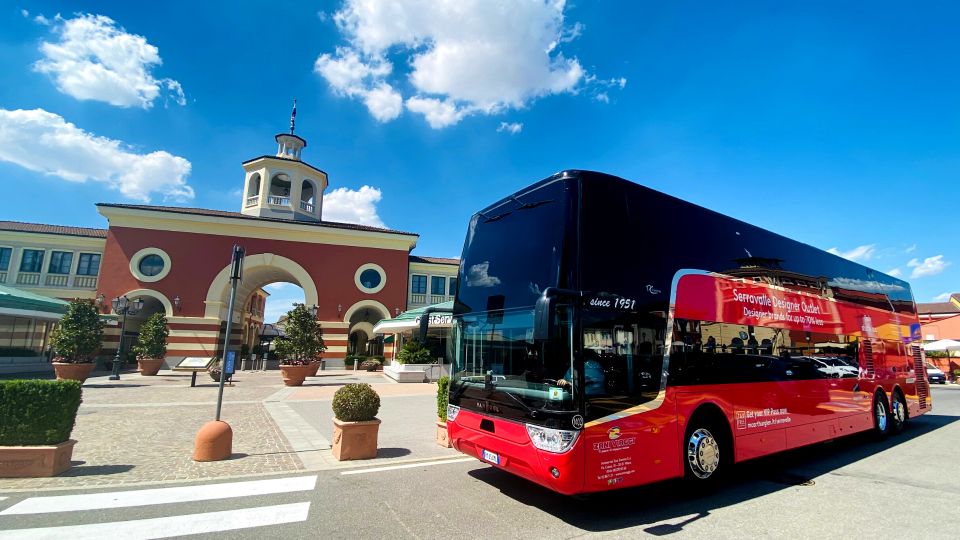
This is the default pick and the right one for a first visit. The Zani Viaggi shuttle is the official McArthurGlen partner, runs two or three times a day, and lets you spend roughly five hours on site. Our full review covers the pickup, the on-board comforts, and the return run; the only real friction is the fixed return time, because the bus leaves on schedule no matter where you are.
2. Serravalle Outlet Shopping Mall Shuttle Bus: $30
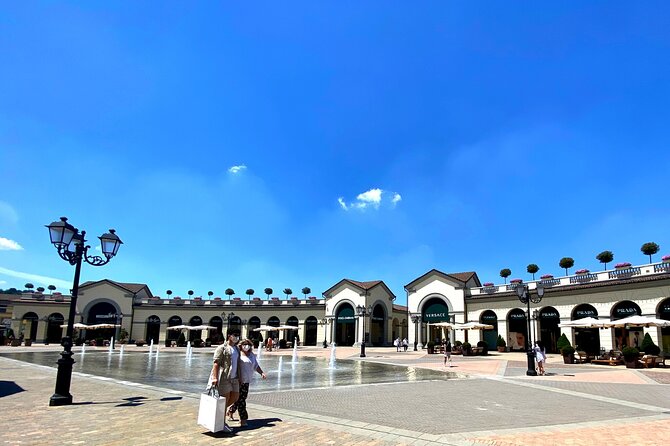
This alternate shuttle, sold via Viator, is the call if you want maximum hours on site rather than the tighter Zani window. Our review flags the staff brusqueness at boarding, which is why the rating runs a little below the official option. For the savings and the longer day it’s fine; for a smooth first visit, pay the small premium and book option 1.
3. Private Tour to Serravalle plus Gavi Vineyards: $306 per group

Eight hours, up to three people, your own car and driver, a Gavi DOCG winery stop on the way back. At about €100 per person split three ways, this is the Serravalle day I’d book if I were doing it once and doing it well. Our review breaks down the wine tasting and the pickup arrangement, and the Gavi leg turns a mall trip into a credible Piedmont story.
Pairing the day with the rest of Milan
An outlet day eats most of an afternoon, which makes it tricky to combine with a museum that needs your full attention. If you’re spending three or four days in the city the cleanest pattern is: land, do the cathedral and the Galleria the first afternoon, give the next morning to the timed-entry slot for Leonardo’s Last Supper at Santa Maria delle Grazie, then take the Serravalle shuttle the day after, then save your final day for a bigger excursion like a Lake Como day trip or the Bernina Express up into the Alps. That sequence keeps the indoor and outdoor days separated and your feet rested.
If you’re more interested in the engineering and design side of Milan than the shopping, swap the outlet for the Leonardo da Vinci Science and Technology Museum. Same one-day commitment, very different return on time. And if you’re trying to compare with another iconic Italian shopping experience the closest cousin is actually the artisan workshops in Florence rather than another outlet. Florence’s leather and food markets are the antithesis of Serravalle: full-price, single-maker, story-driven. Two cities, two opposite ways to spend money on Italian goods.
Worth knowing: many Italians treat Serravalle as a destination rather than a stopover. They drive down for the day from Genoa or Turin, park, shop until 19:00, eat in town. If you have the option of basing yourself somewhere other than central Milan (say a hotel near Pavia or a base in Como), the outlet becomes a more relaxed late-morning visit instead of a full-day commitment from the city.
The version that’s not for you
Serravalle isn’t for everybody. If your idea of a good travel day is a long lunch followed by a museum, this place will frustrate you. The architecture is faux. The piazzas are sponsored. The food is fine but forgettable. The whole experience is a transaction wearing a Tuscan costume.
It also isn’t for shoppers who only care about the headline brands. The 20% Prada will not become 50% Prada because you took the bus. If you came specifically for that, you’ll go home angry, the same way you’d go home angry if you queued an hour for a basic gondola in Venice expecting it to feel like the movies. Which it doesn’t, but that’s a whole separate conversation about gondola rides.
It is for people who already know roughly what they want, who shop with a list, and who treat the day as a planning exercise with a payoff. That sounds clinical, but it’s also why regulars come back. Once you’ve calibrated to the actual discount tiers, the village stops feeling like a tourist trap and starts feeling like a quietly excellent piece of Italian retail engineering. Just don’t expect the Prada bag at €600. That’s not the Serravalle promise. The Serravalle promise is two Furlas, a Stone Island jacket, a pair of Hokas, and a Gavi tasting on the way home, for the price of one Prada bag at full retail.
Where to read next
If you’re stitching together a longer Milan stay, the Duomo terraces are still the single best half-day in the city, and the Last Supper booking is the one thing you must lock in before you fly. The Milan hop-on bus piece is the verdict on whether the city’s tour bus actually works (mostly no). And if you’re hopping cities, the timed-entry rhythms here echo what you’ll meet at the Uffizi in Florence and the Doge’s Palace in Venice. Same booking discipline, very different reward.